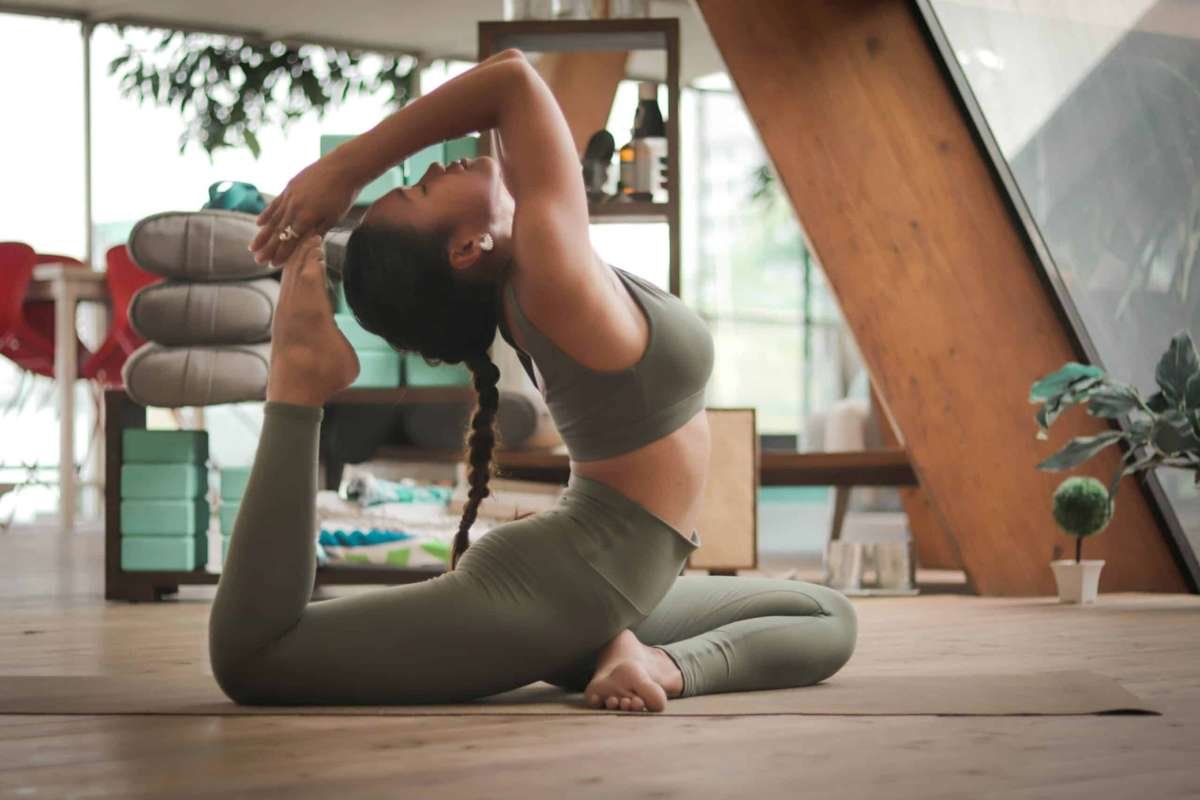
Yoga for Endometriosis may help ease pelvic pain, reduce stress, and improve mobility when practiced safely alongside medical care. This blog explains the science, best poses, a 10-minute routine, safety tips, and when to avoid certain movements for effective symptom management.
Yoga for Endometriosis isn’t a cure, but research suggests it can be a valuable part of managing symptoms. Gentle yoga can help to release tight pelvic floor muscles, reduce stress-related pain amplification, improve mobility, and support better sleep and mental health. The most difficult part is figuring out which poses will help, which ones can make symptoms worse, and how to modify your practice during painful flare-ups.
In this guide, you’ll learn about the science of yoga for endometriosis, the latest evidence, and a safe, beginner-friendly routine you can tailor to your symptoms.
Table of Contents
Can Yoga for Endometriosis Really Help?
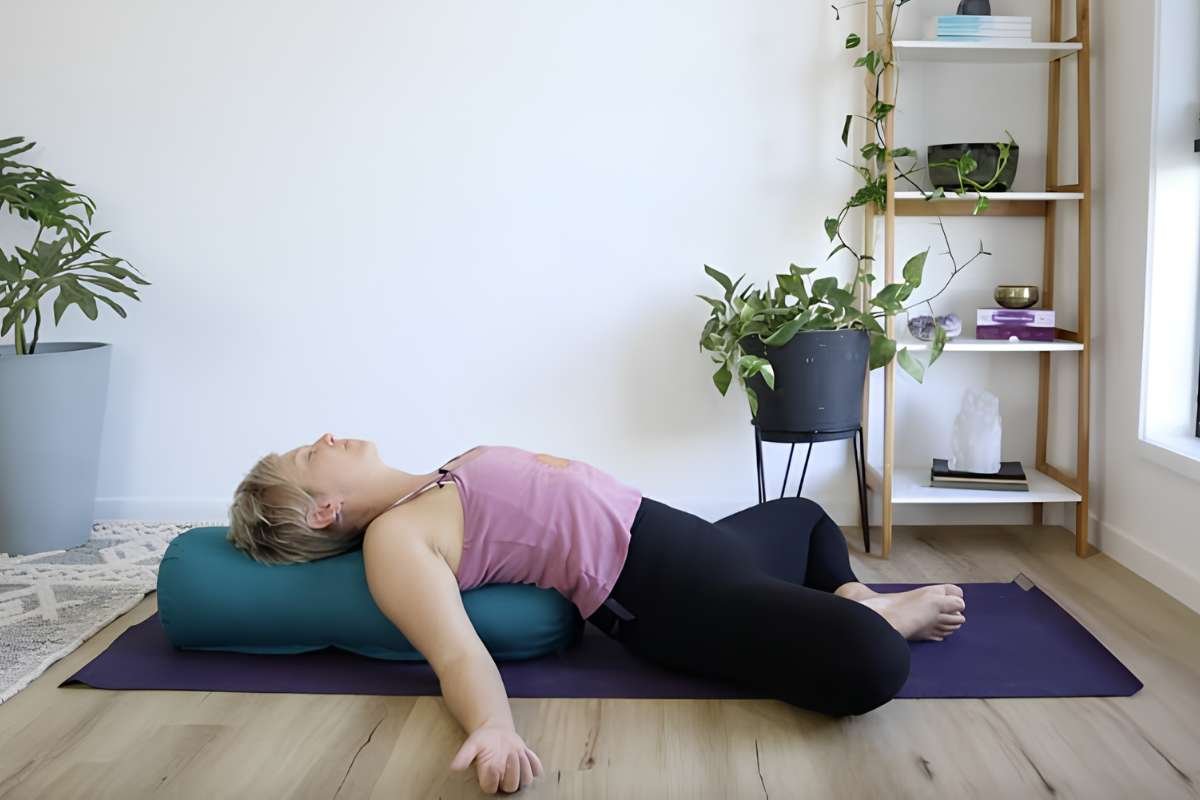
Yes, yoga may help some people reduce endometriosis-related pain, stress, and muscle tension, but it is not a cure. Its benefits may include gentle movement, breathing, relaxation, improved body awareness, and reduced pelvic floor tension.
What research supports
Research is promising but still limited. A small randomized trial found that an eight-week yoga program reduced daily pain and improved well-being compared with usual care. However, larger, high-quality studies are still needed. So yoga should not be presented as a guaranteed treatment.
A study of women with endometriosis also reported that participants felt yoga helped them manage pelvic pain and better understand the connection between physical discomfort and emotional stress. NHS guidance similarly lists gentle exercise, relaxation, and yoga as activities that some people find useful for managing symptoms.
Realistic expectations
Yoga may help reduce pain intensity, stress, stiffness, and fatigue, and may support better quality of life. Improvements are usually gradual and vary from person to person. Yoga is more likely to help when practiced consistently and gently, for example, with slow stretching, restorative poses, breathing exercises, and relaxation rather than intense or painful positions.
Stop or modify any pose that increases pelvic, abdominal, back, or menstrual pain. During a flare, shorter sessions, supported poses, breathing, or rest may be more appropriate.
Complementary, not a replacement
Yoga does not remove endometriosis lesions or replace medical care. Treatment may include pain medicines, hormonal therapy, physiotherapy, psychological support, or surgery, depending on symptoms and individual needs. The World Health Organization recommends a broader, individualized approach to symptom management.
How Yoga May Reduce Endometriosis Pain?
Yoga may not remove endometriosis lesions. But gentle, regular practice may help calm several systems involved in chronic pelvic pain. Research on yoga specifically for endometriosis is still limited. So these mechanisms should be viewed as possible explanations, not guaranteed effects.
1. Pelvic-floor muscle relaxation:
Slow breathing and supported poses may reduce unconscious tightening in the pelvic floor. This can ease muscle spasm and the feeling of pelvic pressure. NHS pelvic-pain guidance explains that diaphragmatic breathing can help the pelvic floor relax.
2. Reduced nervous-system overactivity:
Chronic pain can keep the body in a “fight-or-flight” state. Gentle movement, attention to the body, and longer exhalations may encourage the opposite “rest-and-digest” response.
3. Less chronic pain sensitization:
With long-lasting pain, the nervous system may become more sensitive and react strongly to normal sensations. Yoga cannot reverse this instantly, but gradual, non-threatening movement may help the brain feel safer and reduce fear-driven guarding.
4. Improved circulation:
Easy movement of the hips, spine, and legs supports general blood flow and reduces stiffness. It may make the pelvic and lower-back area feel less restricted, although better circulation does not treat the underlying disease.
5. Breathing and vagus-nerve activity:
Slow diaphragmatic breathing may increase parasympathetic activity, which can lower arousal and support relaxation. It is more accurate to say yoga may influence vagal regulation than to claim it directly “activates” the vagus nerve.
6. Better sleep:
Relaxation and reduced evening tension may make it easier to fall asleep. Better sleep can also improve pain tolerance; the NCCIH notes that yoga has helped sleep in several groups.
7. Lower stress hormones:
Regular yoga may improve regulation of the stress-response system and reduce cortisol in some studies. Lower stress may lessen pain amplification, even though yoga does not directly reduce endometriosis lesions.
8. Why gentle movement helps more:
During a flare, intense workouts can increase abdominal pressure, muscle guarding, or fatigue. Restorative yoga, short walks, and pain-free mobility are often easier to tolerate; stop any movement that worsens symptoms. Used alongside medical care, Yoga for Endometriosis may support symptom management.
Also Read: Understanding the Science Behind Yoga for Anxiety and Stress Relief
Best Yoga Poses for Endometriosis With Benefits:
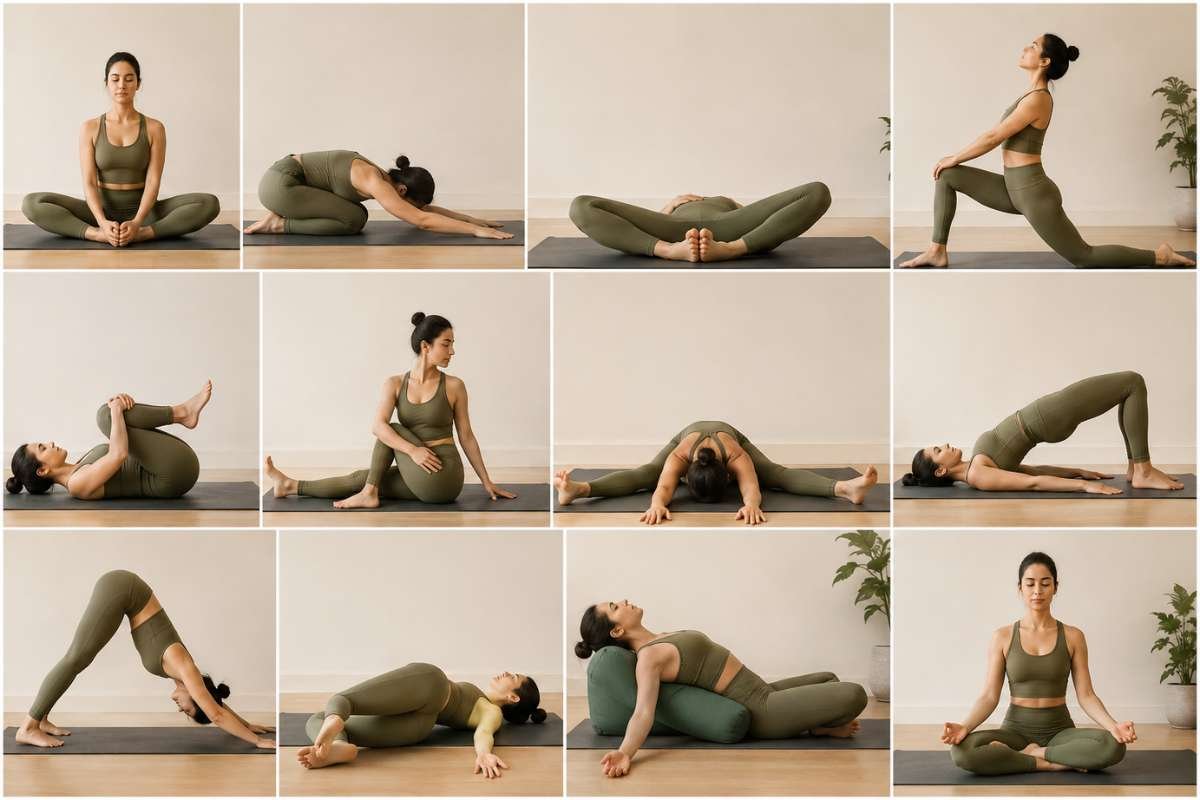
Yoga may support pain management, relaxation, sleep, and gentle mobility, but it does not treat endometriosis itself. Choose movements that feel comfortable. Pain should not increase during or after practice.
1. Pelvic pain
Reclined Bound Angle:
Opens the inner hips and encourages pelvic-floor relaxation. Avoid if it increases groin or pelvic pain. Place cushions under both knees and support your back with a bolster.
Child’s Pose:
Gently relaxes the back, hips, and abdomen. Avoid if pressure on your belly worsens symptoms. Keep knees wide, sit on a cushion, and rest your chest and forehead on bolsters.
2. Lower-back pain
Cat–Cow:
Moves the spine gently and may reduce stiffness. Avoid deep spinal movement during a painful flare. Make smaller movements or practice seated with your hands on your thighs.
Supported Bridge:
May gently mobilize the hips and lower back. Avoid if it causes back, abdominal, or pelvic pressure. Place a yoga block or firm cushion under the sacrum; do not lift too high.
3. Hip tightness
Happy Baby:
Provides a gentle hip and pelvic stretch. Avoid if it causes pinching or abdominal discomfort. Hold behind the thighs instead of the feet.
Butterfly:
Opens the inner thighs without strong effort. Avoid forcing the knees downward. Sit on a folded blanket and support each knee with cushions.
4. Bloating
Gentle Supine Twist:
May ease stiffness and encourage relaxed abdominal movement. Avoid deep twisting, especially after surgery or when twisting worsens pain. Keep both knees supported or twist one leg at a time.
5. Stress
Legs Up the Wall:
Encourages rest and may reduce general tension. Avoid if it causes dizziness or worsens reflux; place the hips farther from the wall.
Savasana with diaphragmatic breathing:
Supports relaxation and pelvic-floor release. Use a bolster under the knees and breathe softly into the lower ribs.
A pelvic-health physiotherapist can individualize yoga for endometriosis, especially during flares, pregnancy, or after surgery.
A 10-Minute Yoga Routine for Beginners:
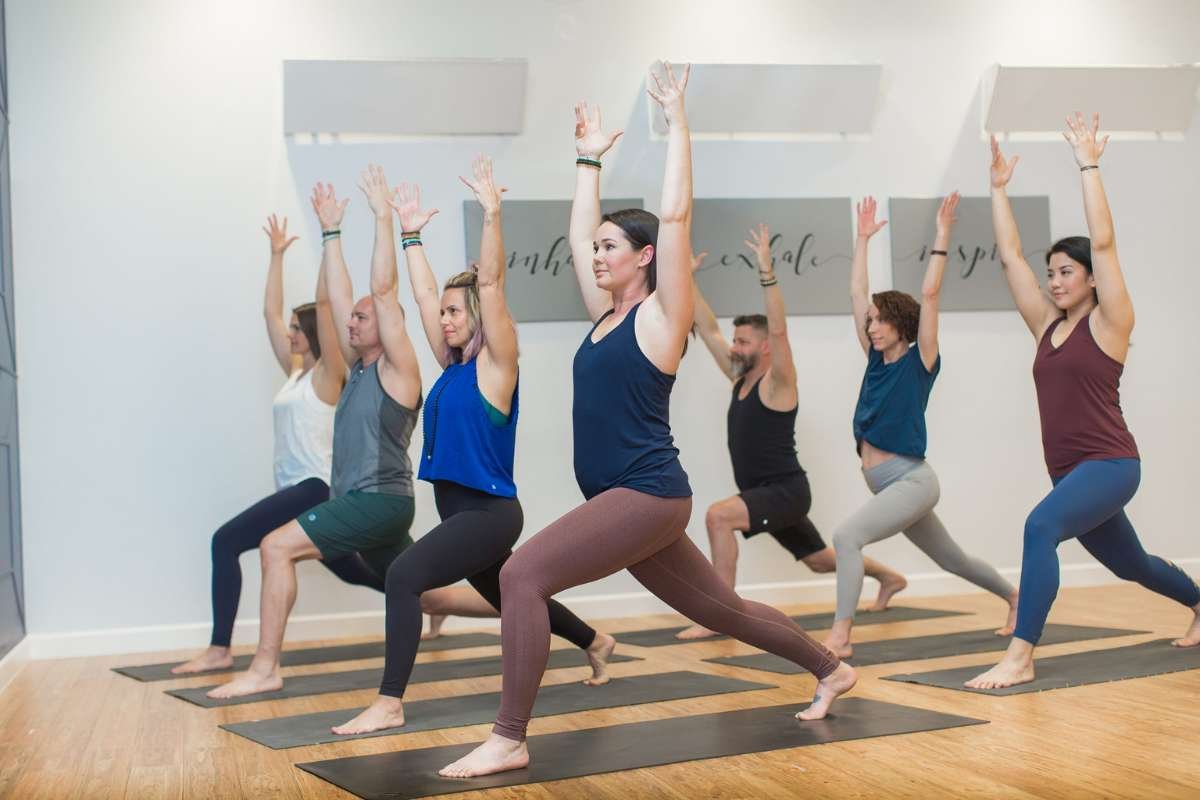
This short routine is designed to reduce tension and encourage calm, comfortable movement. Yoga may support symptom management, but it does not replace medical treatment for endometriosis
1) Diaphragmatic breathing — 2 minutes
Lie down or sit comfortably. Place one hand on your chest and one on your abdomen. Breathe in slowly through your nose, allowing your lower ribs and belly to expand; exhale gently without forcing.
Modify: Place a cushion under your knees. Stop if breathing causes dizziness or discomfort.
2) Child’s Pose — 1½ minutes
Kneel and sit back toward your heels, then fold forward. Keep your knees wide and breathe slowly.
Modify: Rest your chest and forehead on a bolster or stacked pillows. Skip it if abdominal pressure increases pain.
3) Cat–Cow — 1½ minutes
Come onto your hands and knees. Inhale as you gently lengthen your spine; exhale as you round your back. Move slowly for 6–8 cycles.
Modify: Make the movement smaller or practice seated with your hands on your thighs.
4) Butterfly Pose — 1 minute
Sit with the soles of your feet together. Let your knees relax outward without pushing them down.
Props: Sit on a folded blanket and support your knees with cushions.
5) Happy Baby — 1 minute
Lie on your back and bring your knees toward your chest. Hold behind your thighs rather than your feet if needed.
Avoid: Skip this pose if it causes groin, hip, or pelvic pain.
6) Legs Up the Wall — 1½ minutes
Lie near a wall and rest your legs upward. Keep your hips slightly away from the wall if comfortable.
Modify: Rest your calves on a chair instead.
7) Savasana — 1½ minutes
Lie comfortably with knees supported. Relax your jaw, abdomen, and pelvic floor while breathing naturally.
Practice yoga for endometriosis only within a pain-free range. Stop if symptoms worsen.
Also Read: These Everyday Yoga Poses for Neck Pain Could Change Your Morning Routine
Safety Tips and When to Stop:
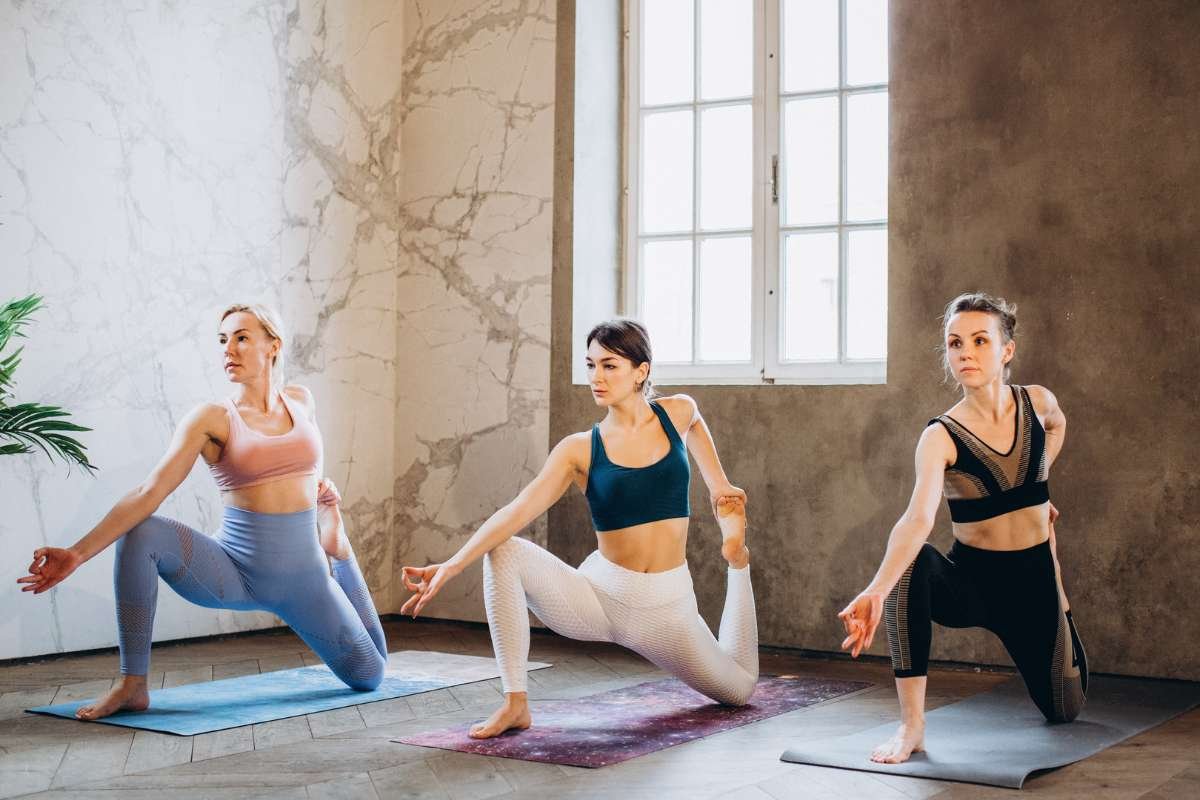
Gentle yoga may support relaxation and mobility, but it should never worsen symptoms or delay medical care. Use cushions, move slowly, and keep every pose comfortable.
After laparoscopy
Follow your surgeon’s instructions before restarting yoga. Begin with walking and relaxed breathing. Avoid abdominal pressure, deep twists, strong backbends, and strenuous exercise until you are cleared. After some laparoscopic procedures, returning to normal activity may take several weeks. Contact your healthcare team for heavy bleeding, worsening abdominal pain or swelling, fever, or foul-smelling discharge.
Stop immediately if you notice
- Severe, sudden, or worsening pelvic or abdominal pain.
- Heavy vaginal bleeding, such as soaking a pad within an hour, or passing unusually large clots.
- Dizziness, faintness, unusual weakness, chest pain, or shortness of breath.
- New nausea, vomiting, fever, or feeling acutely unwell.
Rest and seek urgent medical advice if these symptoms occur rather than trying to “stretch through” them.
Ovarian cyst concerns
If you have an ovarian cyst, avoid deep twists, intense core work, strong abdominal compression, and poses that cause sharp or one-sided pain. Sudden severe pelvic pain with nausea, vomiting, faintness, or rapid abdominal swelling requires urgent assessment because rupture or ovarian twisting may be possible.
Pregnancy considerations
Ask your obstetric clinician before starting or continuing yoga. Avoid hot yoga, overheating, fall-risk positions, and lying flat on your back for long periods. Stop and contact your clinician for bleeding, dizziness, abdominal pain, fluid leakage, or painful contractions.
Practice yoga for endometriosis as a complement to, not a replacement for, medical care.
Also Read: 7 Yoga Poses to Help Promote Digestion (Plus a Simple Daily Routine)
Conclusion:
Yoga will not heal endometriosis, but the gentle and regular practice can alleviate pelvic tension, stress, stiffness, and sleep issues. The trick is to pick postures that fit your symptoms, use supportive props, and modify or stop as soon as pain increases. A short routine will suffice, especially during a flare. Always employ yoga as a supplement, not a substitute, for medical care, diagnosis, or treatment. If you have had recent surgery, are pregnant, or have severe pain or unusual bleeding, consult a professional first. Practice a two-minute session of relaxed breathing today and develop a practice that feels safe to your body. Learn how Yoga for Endometriosis can help you feel good every day.
FAQ:
1. How do the Japanese treat endometriosis?
Japan treats endometriosis using modern hormonal medications, laparoscopic surgery, and localized clinical guidelines established by the Japan Society of Endometriosis.
2. What chakra is associated with endometriosis?
For endometriosis patients, this blockage will occur in the second chakra, which corresponds to creativity, our creative reproductive center, and sexuality.
3. What is the peak age for endometriosis?
The peak prevalence and severity of endometriosis occur between the ages of 25 and 35, though the condition is most frequently diagnosed later in people in their 30s and 40s due to long diagnostic delays.
4. What does Chinese medicine say about endometriosis?
From the TCM perspective, endometriosis is most commonly understood as a condition of Qi and blood stagnation, particularly in the pelvic region.
5. What triggers an endometriosis flare-up?
Endometriosis flare-ups are driven by the biological activity of endometrial-like tissue growing outside the uterus.