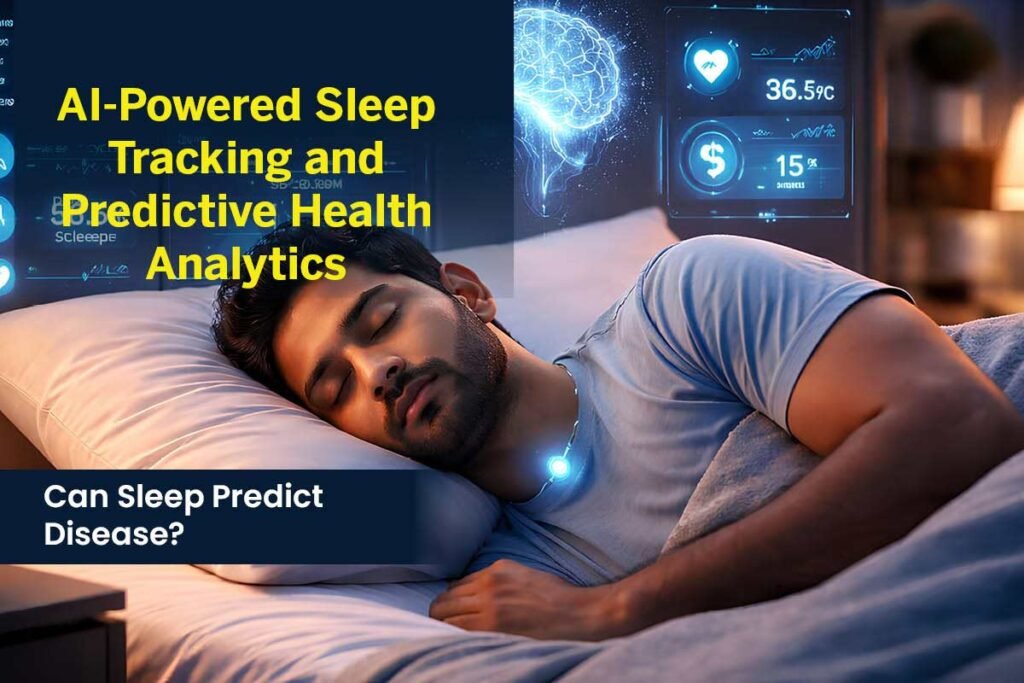
A smartwatch quietly tracks breathing patterns, heart rhythm, and sleep stages every night. After several weeks, an AI system detects subtle physiological changes and warns of a high risk of cardiovascular disease months before any symptoms appear. This scenario may sound futuristic, yet it is already becoming possible. Sleep is no longer seen as a period of simple rest.
Modern AI-Powered Sleep Tracking technologies continuously capture valuable biological signals during the night and reveal hidden signs of illness. Researchers increasingly view sleep as a rich source of biomarkers that may predict future health conditions. The key question is clear: can overnight sleep data become a routine tool for preventive healthcare?
AI-Powered Sleep Tracking 101: How Does It Work?
Think of these systems as overnight health observatories that continuously monitor multiple organ systems.
Step 1: Collecting Nighttime Data
AI-Powered Sleep Tracking begins with wearable devices such as smartwatches and rings. Smart mattresses, bedside sensors, contactless radar, and infrared systems can assess sleep without direct skin contact. In clinical settings, polysomnography remains the gold standard because it records detailed physiological activity in a sleep laboratory.
Step 2: Capturing Physiological Signals
These technologies measure key indicators, including electroencephalography (EEG), electrocardiography (ECG), blood oxygen saturation (SpO2), respiratory rate, heart rate variability, and body movement patterns.
Step 3: Turning Signals into Insights
The processing sequence follows a clear path: sensors collect raw data, signal cleaning removes noise, feature extraction identifies meaningful patterns, sleep stage classification determines sleep quality, and predictive models estimate future health risks.
Consumer wearables offer convenience for long-term monitoring, while hospital sleep studies provide greater clinical precision.
Teaching Machines the Language of Sleep
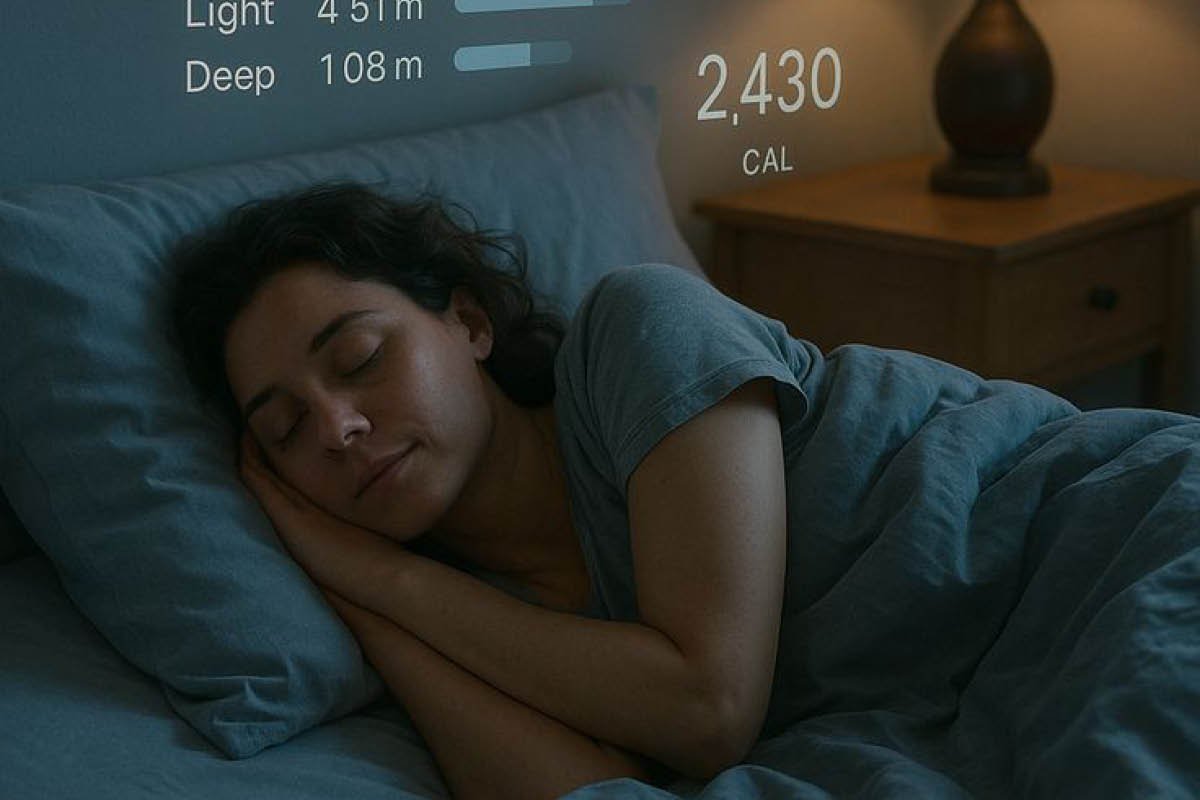
Modern machine learning systems interpret sleep by identifying patterns hidden within physiological signals collected overnight.
Sleep Stage Classification
Algorithms first classify each sleep period into distinct states:
- Wake state identifies periods of alertness or brief awakenings.
- REM sleep captures the stage associated with vivid dreaming and memory processing.
- Light sleep represents transitional stages that occupy much of the night.
- Deep sleep reflects restorative sleep marked by slow brain activity.
Algorithms Behind the Analysis
- Convolutional Neural Networks (CNNs) detect complex patterns in electroencephalography (EEG) recordings.
- Recurrent Neural Networks (RNNs) analyze the sequence of sleep stages across the night.
- Transformer models process long physiological recordings and recognize relationships across extended periods.
- Multimodal learning models integrate brain, cardiac, respiratory, and movement signals into a unified analysis.
Visual Box: How an AI Model Reads a Night of Sleep
Physiological signals → Pattern detection → Sleep stage identification → Health risk estimation
Stanford’s SleepFM model uses large polysomnography datasets to learn connections among brain, heart, breathing, and movement signals. It can even estimate missing physiological channels while maintaining strong prediction accuracy.
Predictive Health Analytics: What Can Sleep Reveal?
Sleep records can reveal early physiological changes that appear long before clinical symptoms. Researchers increasingly use these signals to estimate future disease risk.
1. Cardiovascular Health:
Through AI-powered sleep tracking, clinicians can detect abnormal heart rate variability, repeated oxygen desaturation, and fragmented sleep patterns, which may indicate an elevated risk of hypertension, arrhythmias, and other cardiovascular conditions.
2. Brain Health:
Alterations in REM sleep and distinctive EEG signatures have been associated with neurodegenerative disorders such as Parkinson’s disease and dementia. These changes may emerge years before diagnosis.
3. Mental Health:
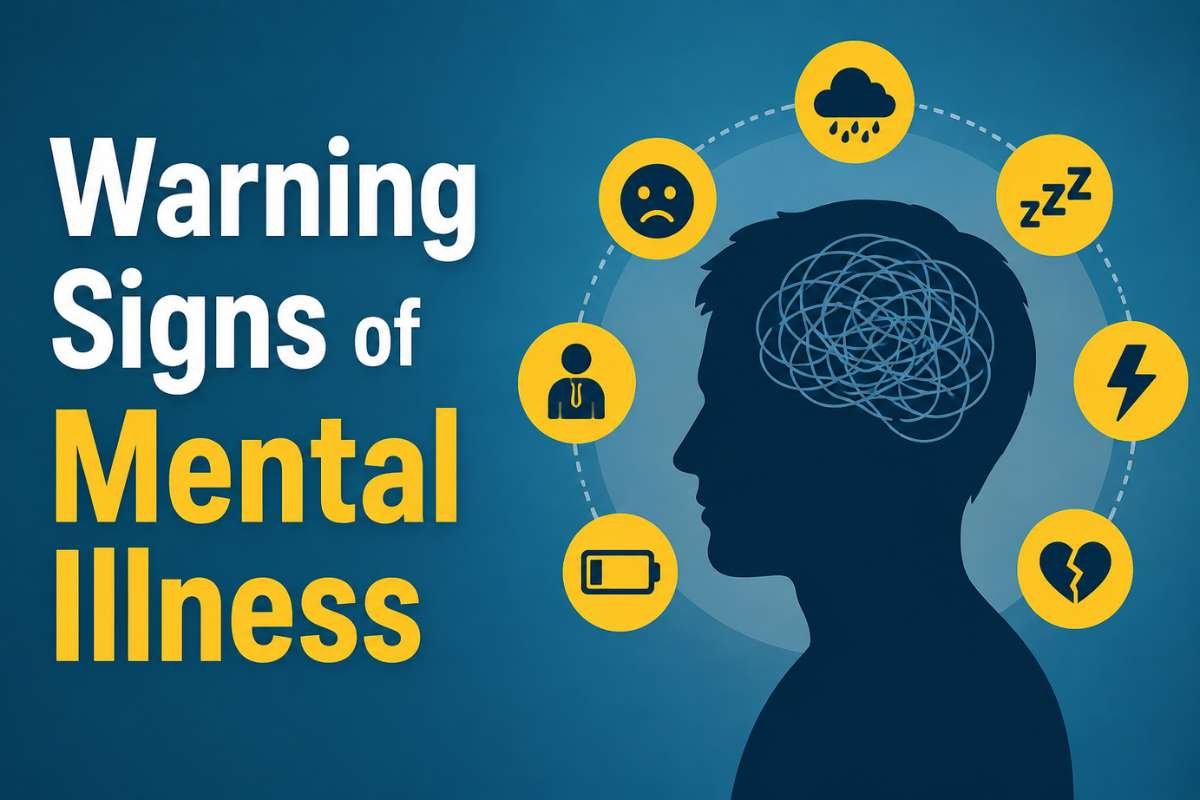
Persistent sleep irregularities often correlate with depression, anxiety disorders, and gradual cognitive decline. Frequent nighttime awakenings and unstable sleep timing can provide important warning signs.
4. Metabolic Health:
Disturbed sleep architecture has been linked to future obesity, insulin resistance, and type 2 diabetes. Reduced deep sleep may impair glucose regulation and metabolic balance.
5. Detecting Sleep Disorders:
Automated systems built into AI-powered sleep tracking can identify several sleep disorders with high accuracy, including obstructive sleep apnea, insomnia, narcolepsy, and restless leg syndrome.
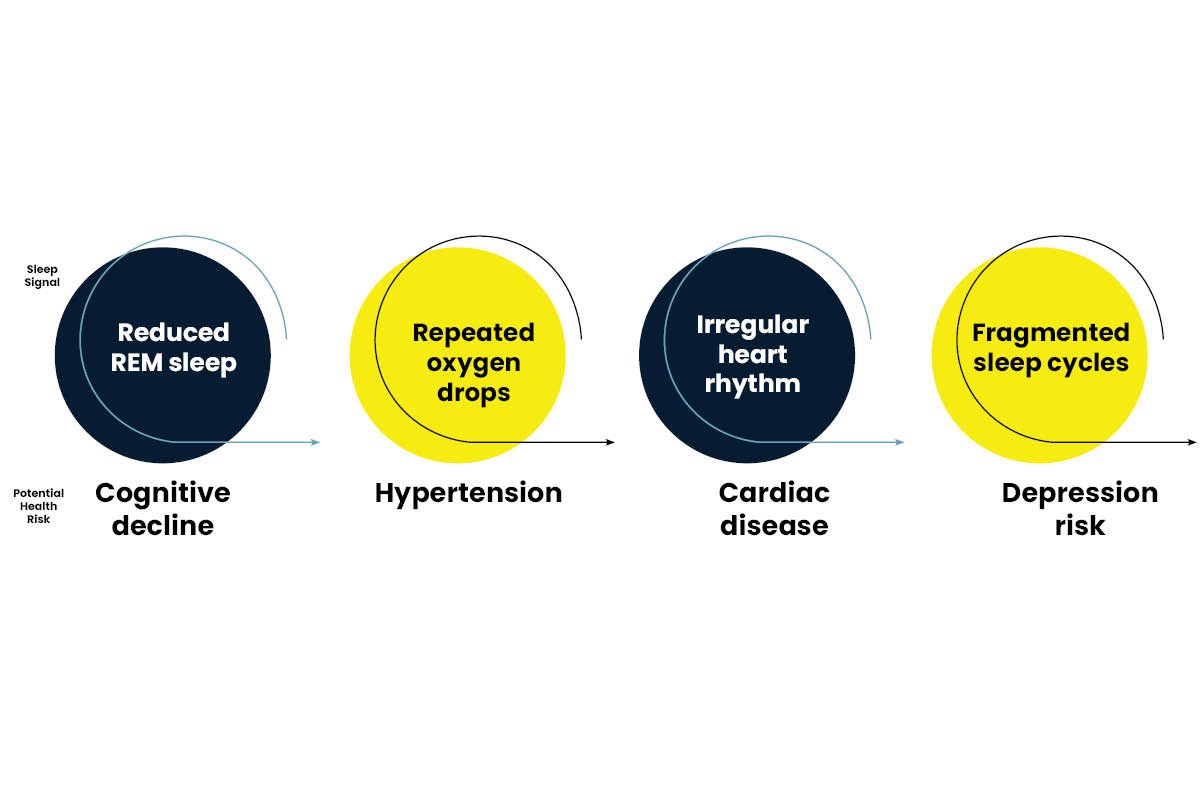
| Sleep Signal | Potential Health Risk |
| Reduced REM sleep | Cognitive decline |
| Repeated oxygen drops | Hypertension |
| Irregular heart rhythm | Cardiac disease |
| Fragmented sleep cycles | Depression risk |
As research advances, sleep data may become an important tool for identifying health risks before symptoms appear.
AI in Action: What Has Been Achieved So Far?
Recent studies show that AI-powered sleep tracking is moving beyond experimental research and entering clinical practice.
Key Milestones
- Automated Sleep Scoring: Deep learning systems can classify wake, REM, light, and deep sleep with accuracy approaching that of expert sleep technicians.
- SleepFM and Disease Prediction: Researchers at Stanford reported that SleepFM can analyze overnight polysomnography recordings and predict more than 100 health conditions using patterns hidden within sleep data.
- Remote Sleep Monitoring: Modern wearables support continuous sleep assessment over extended periods, allowing individuals to be monitored in their home environment rather than a sleep laboratory.
- Clinical Decision Support: Tools integrated with AI-powered sleep tracking can help physicians identify high-risk patients earlier and reduce the time required for routine sleep analysis.
Highlight: One night of sleep may contain early warning signs for multiple diseases.
The Flip Side: Risks, Limitations, and Ethical Questions
Despite promising results, several challenges still limit widespread clinical adoption.
Technical Hurdles
- Consumer wearables often produce noisy or incomplete data.
- Many sleep datasets do not adequately represent diverse populations.
- Algorithms may show varying performance across different age groups and ethnic communities.
Clinical Concerns
- High prediction accuracy does not always translate into meaningful clinical decisions.
- False positive results may cause unnecessary anxiety and additional medical testing.
- Many predictive systems function as black boxes, making their conclusions difficult for clinicians to interpret.
Privacy and Security:
Continuous sleep monitoring collects highly sensitive health information, including cardiac and respiratory data. Protecting this information requires strong privacy safeguards and secure data management practices.
Regulatory Challenges:
Before predictive sleep technologies become routine in healthcare, researchers and regulators must conduct extensive validation studies to confirm safety, reliability, and clinical value.
The Verdict: Could Sleep Become the Next Vital Sign?
AI-Powered Sleep Tracking has evolved far beyond measuring how long we sleep. Modern computational models can identify physiological signatures associated with future disease risk by analyzing brain activity, heart rhythms, breathing patterns, and body movements. Although important technical and clinical challenges remain, predictive sleep analytics continues to show significant medical potential. As these systems improve, overnight sleep recordings could eventually stand alongside blood pressure, heart rate, and blood glucose as routine indicators of health.
This possibility raises an important question: if sleep already contains clues about future illness, should routine healthcare pay closer attention to what happens after we fall asleep?