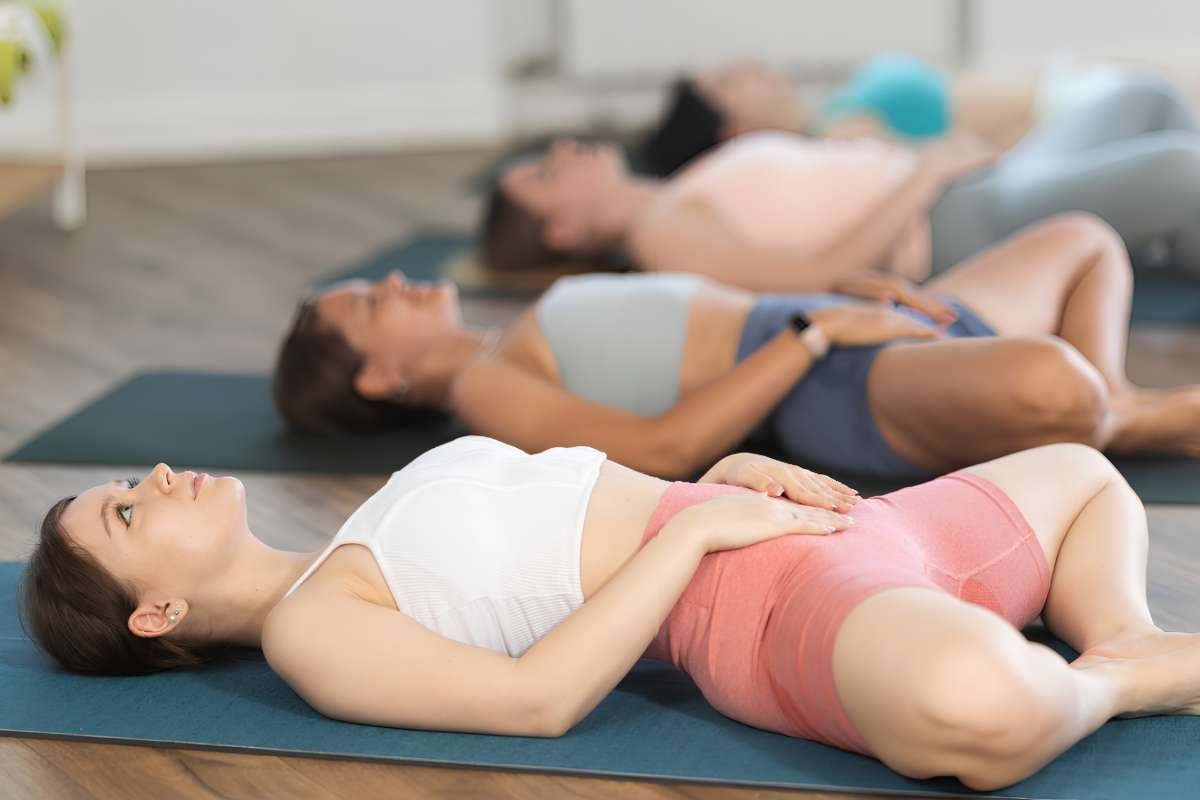
If you are looking for uterine fibroids exercises to try, the goal is to better control symptoms, not to “exercise away” fibroids. While exercise won’t make fibroids disappear, research suggests that engaging in regular, low-impact movement can help with circulation, inflammation, pelvic discomfort, weight management, and overall well-being. Studies have found that women who keep a healthy body weight and get regular exercise are less likely to develop fibroids and less likely to have severe symptoms.
This guide tells you which exercises are most helpful, when to avoid certain activities, how to modify your workouts to your symptoms, and what the evidence really says. So you can move with confidence and comfort.
Table of Contents
Does Exercise Help Uterine Fibroids?
If you have uterine fibroids, exercise won’t shrink most fibroids. But it can meaningfully improve symptoms. Regular physical activity helps reduce pelvic pain, bloating, fatigue, and heavy bleeding. It achieves this by supporting healthy circulation, lowering inflammation, and balancing hormones like estrogen that influence fibroid growth.
Studies show women who engage in at least 150 minutes of moderate exercise weekly are less likely to develop or worsen fibroids. Those who maintain a healthy weight report fewer severe symptoms.
Low-impact options, such as walking, swimming, yoga, Pilates, and light strength training. They are generally the safest and most effective. High-impact workouts, heavy lifting, or intense abdominal exercises may increase pressure and discomfort and are best avoided. When choosing uterine fibroids exercises to try, prioritize gentle, consistent movement that supports your energy and comfort levels.
| Exercise Type | Benefits | Notes |
| Walking | Improves circulation, low strain | Aim for 30 min/day |
| Yoga/Pilates | Reduces stress and pelvic tension | Avoid deep twists or intense core work |
| Swimming | Gentle on joints, relieves pressure | Ideal for pain or bloating |
| Light Strength Training | Supports metabolism, hormone balance | Use light weights or bands |
Best Uterine Fibroids Exercises to Try by Symptom:

Different fibroid symptoms respond better to specific types of movement. Matching your exercise to your primary discomfort can maximize relief while minimizing strain. When exploring uterine fibroids exercises to try, focus on gentle, consistent activities tailored to your needs.
Pelvic Pain
1. Walking
Why: Improves circulation without strain. How often: 4–5 days/week. Duration: 20–30 min. Difficulty: Easy.
2. Swimming
Why: Reduces pressure on pelvic area. How often: 2–3 days/week. Duration: 20–30 min. Difficulty: Easy.
3. Cat-Cow Stretch
Why: Relieves lower back and pelvic tension. How often: Daily. Duration: 5–10 min. Difficulty: Easy.
Heavy Bleeding
1. Gentle Walking
Why: Maintains movement without increasing blood flow. How often: 3–4 days/week. Duration: 15–20 min. Difficulty: Easy.
2. Stationary Cycling
Why: Low-impact cardio that avoids abdominal pressure. How often: 2–3 days/week. Duration: 15–20 min. Difficulty: Easy.
3. Breathing Exercises
Why: Lowers stress and cortisol, which can influence bleeding. How often: Daily. Duration: 5–10 min. Difficulty: Easy.
Pelvic Pressure
1. Pelvic Tilts
Why: Strengthens pelvic floor gently. How often: Daily. Duration: 5–10 min. Difficulty: Easy.
2. Bridge Pose
Why: Supports pelvic muscles and relieves pressure. How often: 3–4 days/week. Duration: 5 min. Difficulty: Easy.
3. Yoga (Gentle)
Why: Improves flexibility and reduces tension. How often: 2–3 days/week. Duration: 15–20 min. Difficulty: Easy–Moderate.
Constipation
1. Gentle Twists
Why: Stimulates digestion and bowel movement. How often: 3–4 days/week. Duration: 5–10 min. Difficulty: Easy.
2. Walking
Why: Encourages gut motility. How often: Daily. Duration: 20–30 min. Difficulty: Easy.
3. Hip Mobility Stretches
Why: Relieves tension in lower abdomen. How often: Daily. Duration: 5–10 min. Difficulty: Easy.
Lower Back Pain
1. Bridge Pose
Why: Strengthens lower back and glutes. How often: 3–4 days/week. Duration: 5 min. Difficulty: Easy.
2. Bird Dog
Why: Stabilizes core and spine. How often: 3–4 days/week. Duration: 5–10 min. Difficulty: Easy–Moderate.
3. Stretching Routine
Why: Relieves muscle tightness. How often: Daily. Duration: 10 min. Difficulty: Easy.
Always consult your healthcare provider before starting a new routine, especially if you experience severe pain, heavy bleeding, or fatigue. Avoid high-impact exercises, heavy lifting, or intense core work, as these can worsen symptoms.
Also Read: Yoga for Calm: A 15-Minute Step-by-Step Routine to Quiet a Busy Mind
How Does Each Exercise Support Symptom Relief?
Exercise doesn’t eliminate fibroids, but it supports symptom management through multiple biological pathways. Regular movement improves blood circulation, reduces systemic inflammation, lowers stress hormones like cortisol, and helps balance estrogen levels indirectly by supporting liver function and healthy body weight. Since excess weight and high estrogen are linked to fibroid growth, maintaining a healthy weight through activity can slow progression. Gentle exercises also relax pelvic muscles, easing pressure and discomfort.
| Exercise | Primary Benefit | Best For |
| Walking | Improves circulation | Pain, weight management |
| Swimming | Low joint stress | Large fibroids, bloating |
| Yoga | Flexibility, stress relief | Pelvic pressure, mood |
| Cycling | Cardiovascular fitness | General conditioning |
| Pelvic Tilts | Core stability | Lower back pain |
When choosing uterine fibroids exercises to try, focus on low-impact, consistent activities that support your energy and comfort. The CDC recommends at least 150 minutes of moderate activity weekly. This aligns with findings that regular exercise may reduce fibroid risk and symptom severity. Always consult your healthcare provider before starting a new routine, especially if you experience severe pain or heavy bleeding.
A Simple Weekly Exercise Plan:

Starting a consistent exercise plan can help manage fibroid symptoms without overexertion. Begin with short, manageable sessions and gradually build duration and intensity. Here’s a simple weekly schedule to get you moving safely.
| Day | Activity | Focus |
| Monday | Walking (20–30 min) | Circulation, light cardio |
| Tuesday | Yoga (15–20 min) | Flexibility, stress relief |
| Wednesday | Light Strength (15–20 min) | Core, posture support |
| Thursday | Swimming or Water Aerobics (20–30 min) | Low joint stress, pelvic relief |
| Friday | Walking (20–30 min) | Consistency, endurance |
| Saturday | Mobility & Stretching (10–15 min) | Hip, lower back flexibility |
| Sunday | Rest or Gentle Recovery | Muscle repair, energy reset |
Progression Advice:
- Start with 10–15 minutes per session if you’re new to exercise.
- Add 5 minutes each week until you reach 30 minutes.
- Increase frequency to 4–5 days/week as energy allows.
- If pain or fatigue increases, reduce intensity or swap for restorative yoga or stretching.
- Always listen to your body and adjust based on how you feel each day.
When choosing uterine fibroids exercises to try, prioritize gentle, regular movement that supports your symptoms and overall well-being. Consult your healthcare provider before beginning any new routine, especially if you experience severe pain or heavy bleeding.
When Exercising Isn’t Enough?
While gentle movement is generally safe, certain symptoms signal the need to pause activity and seek medical care. Stop exercising and contact your healthcare provider if you experience:
- Severe pelvic or abdominal pain that doesn’t improve with rest
- Heavy bleeding (soaking a pad or tampon every hour for 2+ hours)
- Dizziness, fainting, or extreme fatigue during or after exercise
- Rapid fibroid growth or sudden increase in abdominal size
- New urinary symptoms like inability to urinate, pain, or blood in urine
- Fever or chills, which may indicate infection or complication
These warning signs may reflect complications such as anemia, fibroid degeneration, or pressure on nearby organs that require prompt evaluation. Ignoring severe symptoms can lead to worsening health outcomes.
When exploring uterine fibroids exercises to try, always prioritize safety and listen to your body.
Also Read: 7 Yoga Poses to Help Promote Digestion (Plus a Simple Daily Routine)
Conclusion
Exercise is a powerful tool, backed by evidence, for managing uterine fibroid symptoms, though it won’t get rid of fibroids themselves. Choosing suitable uterine fibroids exercises to try can help relieve pain, improve circulation, support hormone balance, and improve your daily well-being. Start slow, listen to your body, and adjust according to how you feel.
The key is consistency over intensity. For best results, combine movement with good nutrition, stress management, and check-ups on regular check-ups. If your symptoms get worse or you have new concerns, call your healthcare provider.
Takeaway: Move with intention, not pressure. Small, consistent steps can make a big difference in your day-to-day mood.
FAQ
1. Can exercise shrink uterine fibroids?
While exercise cannot directly shrink or eliminate existing uterine fibroids, it is highly effective at managing their symptoms and slowing down their growth.
2. What triggers a fibroid flare-up?
A fibroid flare-up is mainly triggered by hormonal shifts, inflammation, and physical or emotional stress.
3. How to flatten a fibroid belly?
Cardiovascular exercises such as walking, jogging, swimming, or yoga are gentle yet effective ways to reduce fibroid symptoms and maintain a healthy weight.
4. Which fruits fight fibroids?
Certain fresh fruits like berries, citrus, and apples help lower the risk and manage symptoms of uterine fibroids.
5. Which vitamin shrinks fibroids?
Vitamin D is the primary vitamin researched for its potential to slow the growth of or reduce the size of uterine fibroids.