Key Takeaway:
- The Arts and Biological Aging Study shows that regular participation in arts and cultural activities is linked to slower biological aging, with effects comparable to those of physical exercise.
- Creative engagement, such as music, dancing, and art-making, shows the strongest benefits for adults aged 40 and older.
- The study shows association, not causation, but suggests the arts may support healthy aging alongside exercise and lifestyle habits.
According to the Arts and Biological Aging Study conducted by University College London, people who regularly participate in arts and cultural activities age more slowly at a biological level. The research analyzed health and lifestyle data from more than 3,500 adults in the United Kingdom.
Researchers at University College London report that activities such as attending concerts, visiting museums, dancing, or creating art are linked to slower biological aging, with benefits comparable to those of physical exercise.
The study, published in Innovation in Aging, analyzed data from 3,556 adults participating in the U.K. Household Longitudinal Study between 2010 and 2012. Scientists compared participants’ cultural engagement and physical activity levels with blood samples measuring epigenetic aging, a scientific method that estimates biological age based on chemical changes in DNA.
Lead researcher Dr. Daisy Fancourt said the findings suggest creative participation may play a meaningful role in long-term health. “Arts engagement appears to be associated with slower biological aging, similar in magnitude to physical activity,” she said in a statement accompanying the study.
UCL Study Finds Creative Engagement Matches Benefits Of Exercise
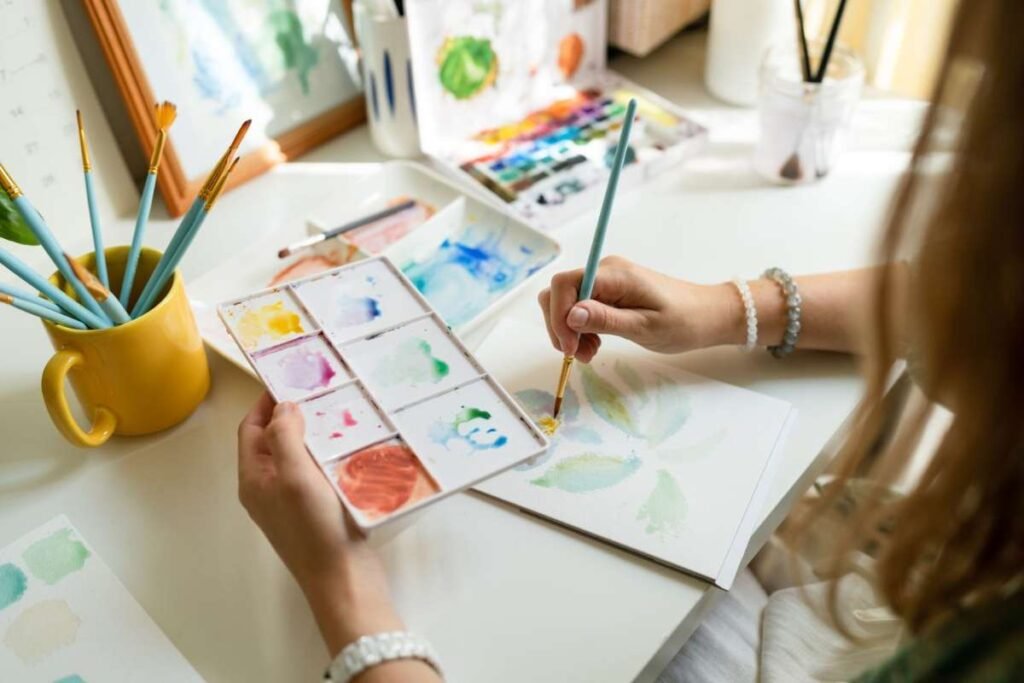
Researchers examined both attendance at cultural events and active participation in creative activities, including singing, painting, and dancing. Individuals who engaged more frequently and across a wider range of activities showed stronger associations with slower aging.
The effect was most pronounced among adults aged 40 and older, suggesting arts engagement may become increasingly important later in life.
Physical activity has long been considered a key factor in healthy aging. The new research indicates that cultural participation could complement traditional health behaviors rather than replace them.
“Our findings highlight that healthy aging strategies may extend beyond diet and exercise,” Fancourt said. “Social and creative activities may also contribute to biological resilience.”
Researchers Use DNA-Based Clocks To Measure Biological Aging
Scientists relied on epigenetic clocks, tools that estimate biological age by analyzing patterns of DNA methylation, chemical markers that change over time. Unlike chronological age, epigenetic age reflects how quickly a body is aging biologically.
The Arts and Biological Aging Study evaluated seven different aging clocks, finding that arts engagement and physical activity were linked to slower aging in several measures, including the PhenoAge, DunedinPoAm, and DunedinPACE clocks. However, no significant association was observed with other commonly used measures, such as the Horvath and Hannum clocks.
Dr. Andrew Steptoe, a senior researcher involved in the project, said variations among clocks are expected. “Different biological clocks capture different aspects of aging, so mixed findings are not unusual,” he said.
Experts Say Arts May Support Healthy Aging, but Causation Unclear
Researchers involved in the Arts and Biological Aging Study cautioned that the findings do not prove creative activities directly slow aging. The analysis covered participants’ behaviors over 12 months and therefore cannot establish cause and effect.
Still, scientists point to possible explanations. Previous research has linked artistic engagement with reduced stress, improved mental health, and stronger social connections, all factors associated with healthier aging outcomes.
Health experts not involved in the study say the findings reinforce broader public health discussions about lifestyle and well-being. Dr. Sarah Harper, director of the Oxford Institute of Population Ageing, said creative engagement “offers a low-cost, accessible way to support emotional and social health, which may ultimately influence physical aging.”
Researchers describe arts participation as a potential “pro-longevity” lifestyle factor that has received relatively little scientific attention compared with exercise or nutrition.
The Arts and Biological Aging Study highlights the authors’ call for longer-term research to determine whether sustained creative engagement can directly influence biological aging and lifespan outcomes.
Visit Healthcare 360 Magazine For The Most Recent Information.