Bacterial infections can affect the skin, urinary tract, lungs, and digestive system. Yet their symptoms often mimic viruses, making them easy to misread. Most bacteria are harmless or even beneficial. But a small fraction cause illnesses such as UTIs, strep throat, pneumonia, and food poisoning. The WHO estimates that antibiotic-resistant bacteria contributed to nearly 4.7 million deaths worldwide in 2021. So accurate recognition matters.
This guide explains key warning signs, how doctors confirm a diagnosis, and when antibiotics are truly needed, so you can seek the right care sooner.
Bacterial Infections: What They Are and How They Start
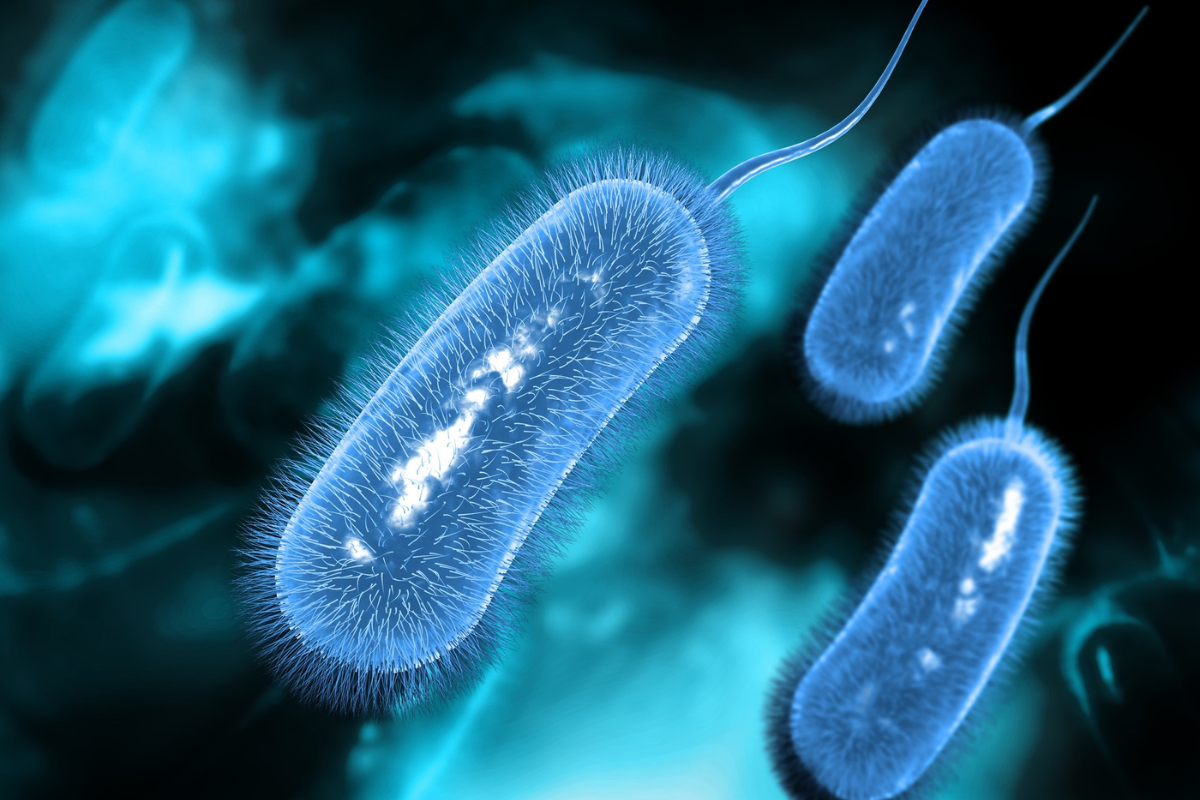
Bacteria are tiny, single-celled organisms. Many live harmlessly on the skin and in the mouth, gut, and other body areas, and some even support health; however, certain types can cause disease.
Bacterial infections begin when harmful bacteria enter the body through a cut, wound, bite, or contaminated food, water, or surface, then multiply or release toxins that damage cells and tissues. Bacteria that normally live in or on the body can also cause infection if they move into tissues or areas where they do not belong. For example, skin bacteria entering through a wound.
It is important to distinguish bacterial presence from infection: finding bacteria on the skin or in the body does not automatically mean a person is sick. An infection occurs when germs enter the body, increase in number, and trigger a reaction.
Effects vary from mild, localized problems such as a skin infection to serious illness when bacteria spread or produce strong toxins.
Common Types of Bacterial Infections and Their Symptoms
Common bacterial infections can affect different parts of the body, and their symptoms depend on the infection site and bacteria involved.
| Type | Examples | Possible symptoms |
| Skin and wound infections | Cellulitis, impetigo | Redness, warmth, swelling, pain, or pus |
| Urinary tract infections | Bladder infection | Burning urination, frequent urges to urinate |
| Respiratory infections | Bacterial pneumonia, strep throat | Cough, fever, breathing difficulty, or sore throat, depending on the infection |
| Digestive infections | Salmonella, Campylobacter | Diarrhea, abdominal cramps, nausea, or vomiting |
| Sexually transmitted infections | Chlamydia, gonorrhea | Sometimes no symptoms; possible discharge or pain during urination |
| Serious invasive infections | Bacterial meningitis | Fever, severe headache, neck stiffness, or altered mental status |
These symptoms are not exclusive to bacterial infections; viruses and other conditions can cause similar signs. Some of these infections also cause few or no noticeable symptoms, so testing may be needed for diagnosis.
What Causes Bacterial Infections, and How Do They Spread?
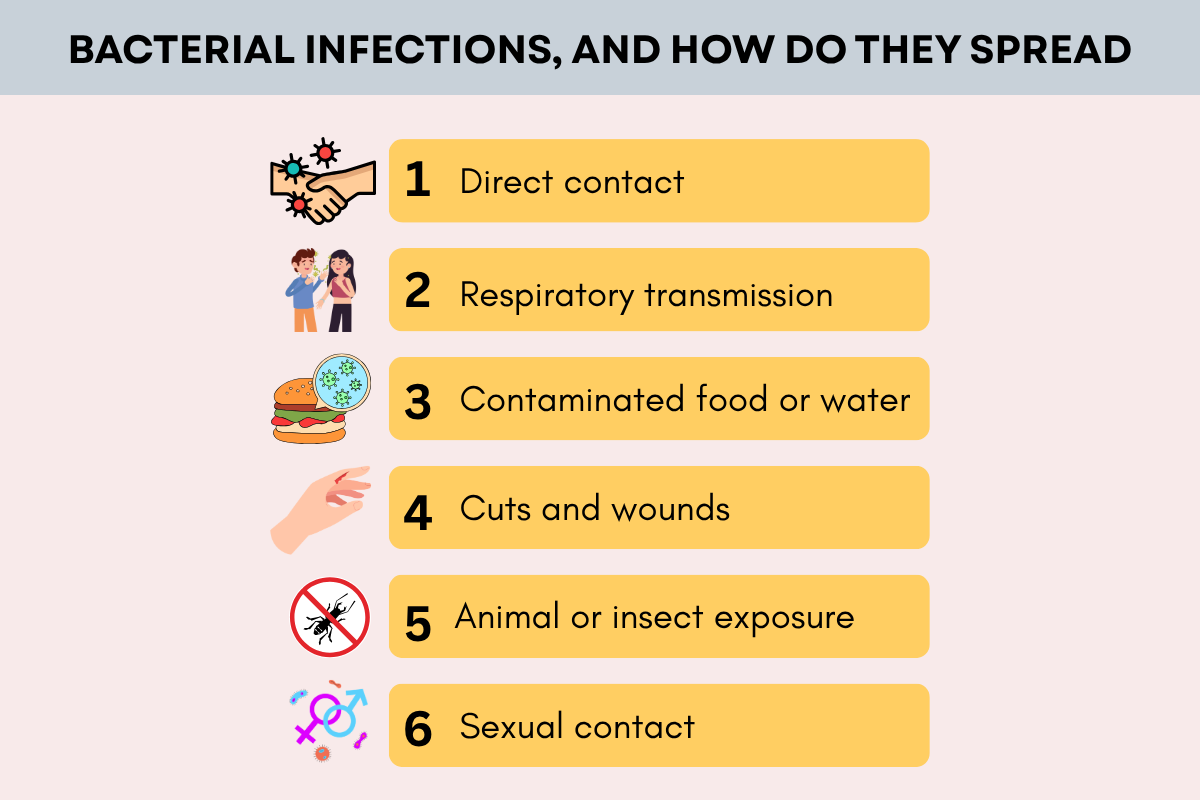
Infections triggered by bacteria spread in different ways, depending on the organism and where it enters the body.
- Direct contact: Touching infected skin, sores, or bodily fluids can transfer bacteria.
- Respiratory transmission: Coughing, sneezing, or talking can release droplets that reach another person’s eyes, nose, or mouth.
- Contaminated food or water: Eating or drinking contaminated items can cause digestive infections.
- Cuts and wounds: Bacteria can enter through broken skin.
- Animal or insect exposure: Bites, scratches, or contact with infected animals can spread certain infections.
- Sexual contact: Some bacterial STIs, such as chlamydia and gonorrhea, spread through sexual activity.
Not every bacterial infection spreads from person to person. Some come from food, water, animals, or the environment. A weakened immune system, chronic conditions, and recent surgery can increase the risk of complications.
Also Read: Not Just Chest Pain: 10 Warning Signs of Heart Disease to Recognize
How Are Bacterial Infections Diagnosed and Treated?
Doctors diagnose bacterial infections by reviewing symptoms, medical history, and physical examination findings. Depending on the suspected infection, they may order a urinalysis, throat swab, blood tests, or bacterial culture.
Cultures can identify the bacteria and help guide antibiotic selection. For suspected internal infections, imaging such as an ultrasound or CT scan may also be needed.
What treatment options are available?
Antibiotics are used only when appropriate for the specific bacterial infection. The medicine, dose, route, and duration depend on the infection and the person’s health. Some bacterial infections improve without antibiotics, while antibiotics never treat viral illnesses such as colds or flu.
Supportive care includes fluids, rest, and symptom relief. It may be used alongside antibiotics or instead of them in selected cases. More serious infections may require wound care, drainage of an abscess, or hospital treatment.
Never use leftover antibiotics, share prescriptions, or start antibiotics without medical guidance. Misuse contributes to antibiotic resistance, when bacteria become harder to treat; follow the prescribing clinician’s instructions exactly.
When Should You Seek Medical Care?

Arrange a medical assessment for persistent, worsening, or unexplained symptoms, suspected wound infections, painful urination, or unusual discharge.
Seek urgent care for rapidly spreading redness or swelling, severe pain, high fever with worsening illness, or symptoms in someone at higher risk, such as an older adult or person with a weakened immune system.
Get emergency help for confusion, severe breathing difficulty, loss of consciousness, or other signs of a life-threatening illness.
Sepsis is a life-threatening response to infection that can cause organ dysfunction. Not every bacterial infection leads to sepsis. If an infection is not improving or is getting worse, seek medical care immediately.
You can lower the risk of bacterial infections with these practical steps, though no measure prevents every infection.
- Wash hands regularly with soap and water, especially before eating or preparing food and after using the bathroom. Use a sanitizer with at least 60% alcohol when soap is unavailable.
- Handle food safely, cook foods thoroughly, and follow food and water precautions when traveling.
- Clean cuts and wounds and keep them covered.
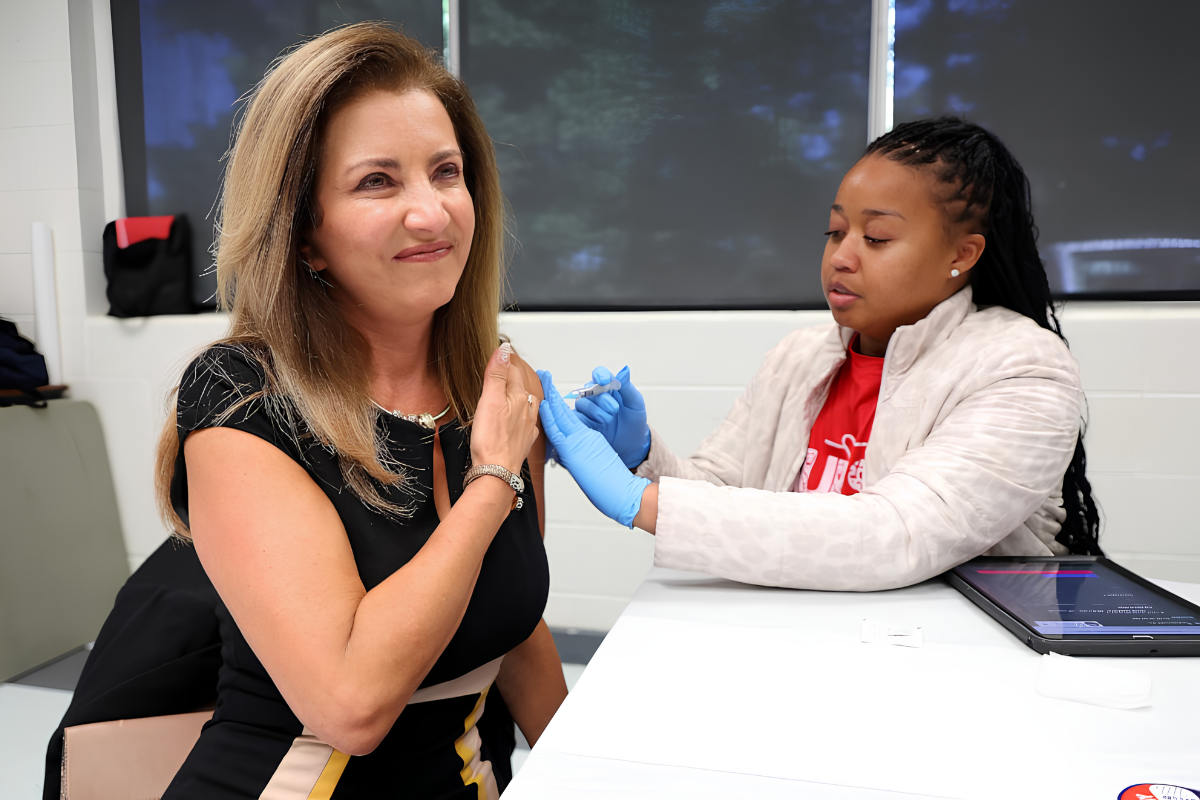
- Keep recommended vaccinations up to date.
- Practice safer sex and seek testing when appropriate.
- Use antibiotics only when prescribed and exactly as directed.
Bacterial Infection Case Studies: Clinical Presentations and Management
Severe Healthcare-Associated Staphylococcus aureus Bacteremia
Clinical Presentation
An 83-year-old male with a history of hypertension and recent IV catheter placement develops high-grade fever, chills, and localized tenderness around the catheter site. Blood cultures drawn from two separate sites grow Gram-positive cocci in clusters, which are catalase-positive and coagulase-positive.
Clinical Diagnosis & Pathogen
- Pathogen: Methicillin-Resistant or Methicillin-Susceptible Staphylococcus aureus (MRSA/MSSA).
- Key Challenge: S. aureus bacteraemia carries a high mortality rate (20–25%) and a strong tendency to seed distant tissues, leading to complications such as infective endocarditis or vertebral osteomyelitis.
- Management: Removal of the infected central intravenous line and aggressive targeted antimicrobial therapy (e.g., intravenous Cefazolin/Flucloxacillin for MSSA, or Vancomycin/Daptomycin for MRSA) for a minimum of 2 to 6 weeks depending on complicated versus uncomplicated status.
Also Read: The Best Blood Pressure Monitor Guide for Accurate Heart Health Tracking
Conclusion:
Bacterial infections range from mild skin problems to serious illnesses, and the right response depends on recognizing the signs early. Remember that symptoms often resemble viral illnesses, so testing and medical guidance are key to getting the correct diagnosis. Antibiotics help only when they are appropriate, and misusing them makes future infections harder to treat. Simple habits such as handwashing, safe food handling, wound care, and keeping vaccinations current can lower your risk.
If symptoms persist, worsen, or feel severe, don’t wait. Speak with a healthcare professional today to get the care you need.
FAQ:
1. What are the most common bacterial infections?
Common bacterial infections include urinary tract infections (UTIs), strep throat, skin infections, bacterial pneumonia, and certain foodborne illnesses.
2. How can you tell if an infection is bacterial or viral?
Symptoms often overlap, so a medical evaluation and, when needed, laboratory tests can help identify the cause.
3. Can bacterial infections go away on their own?
Some bacterial infections resolve without antibiotics, while others require prompt medical treatment to prevent complications.
4. What are the warning signs of a serious infection caused by bacteria?
Rapidly worsening symptoms, confusion, severe breathing difficulty, or signs of sepsis require urgent medical attention.
5. How can you prevent bacterial infections?
Regular handwashing, safe food handling, appropriate vaccination, wound care, and safer sex practices can reduce the risk of certain bacterial infections.