Key Takeaway:
- Breast cancer cases are rising, with more than 320,000 invasive cases expected among U.S. women in 2026.
- Death rates are falling, with breast cancer mortality down 44% since 1989.
- Early detection improves survival, but racial disparities and differences by cancer stage persist.
Breast cancer diagnoses continue to rise in U.S. women, but declining death rates and improving survival reflect advances in screening, earlier detection and treatment, according to cancer experts.
Breast Cancer Diagnoses Continue To Rise
The American Cancer Society estimates that 321,910 women will be diagnosed with invasive breast cancer in the United States in 2026. Breast cancer cases make it the most commonly diagnosed cancer among women, excluding skin cancers, and account for about one in three new cancers in women.
The incidence rate has increased by about 1% annually in recent years, with a faster increase among women younger than 50. Breast cancer is also the second-leading cause of cancer death among U.S. women, behind lung cancer.
“Breast cancer is one of the most common cancers in women, but most women diagnosed with breast cancer do very well, and outcomes have improved tremendously over the years,” said Hannah Rose Naughton, a breast surgical oncologist at Hackensack Meridian Health, according to ABC News.
Breast cancer cases also affect men, although they are rare. The ACS estimates 2,670 men will be diagnosed with invasive breast cancer in 2026, with fewer than 1% of breast cancer cases occurring in men.
Death Rates Fall As Survival Improves
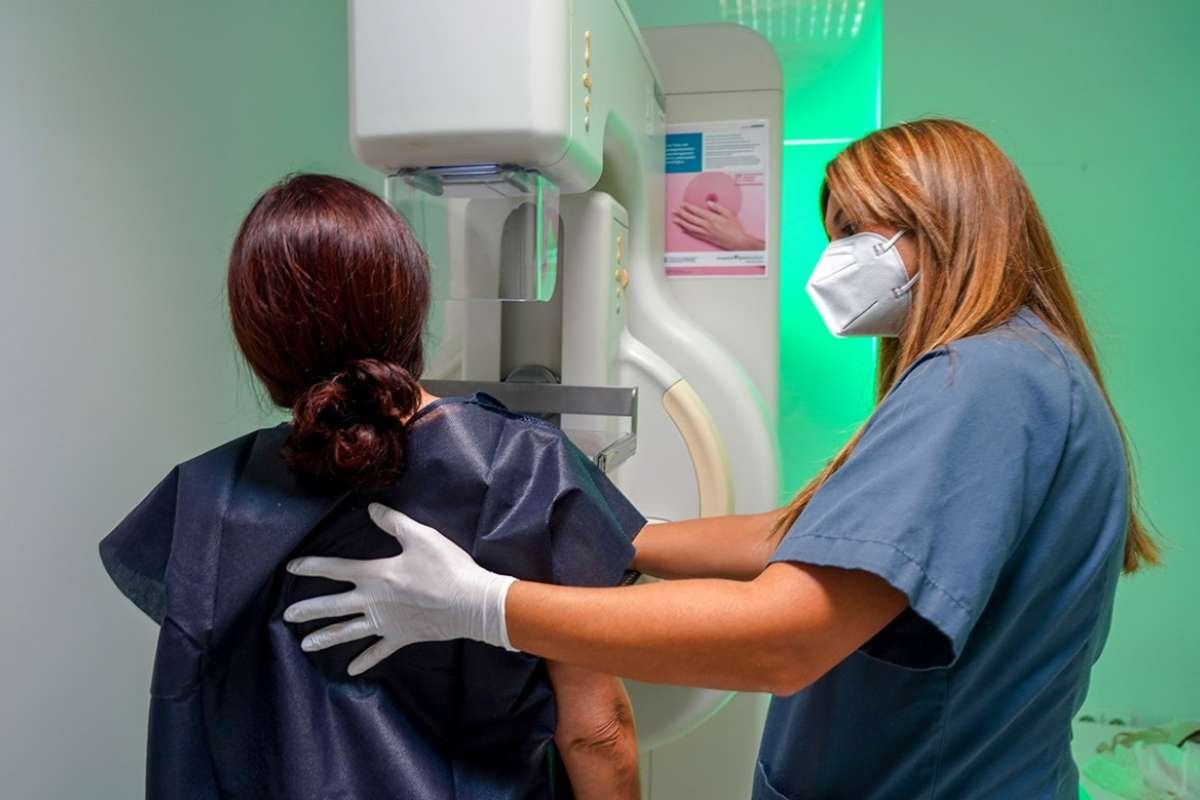
About 64% of breast cancer cases are diagnosed at a localized stage, according to the ACS. The organization attributes the long-term decline largely to earlier detection through screening and improvements in treatment.
“The decrease in breast cancer death rates is probably a combination of our screening advances, as well as advances in the treatments that we have for different subtypes of breast cancer,” Priya Thomas, a breast oncologist at the University of Texas MD Anderson Cancer Center, told ABC News.
Five-year relative survival for female breast cancer is now about 90.8%, based on NCI data covering diagnoses from 2013 through 2019. Survival varies substantially by how far the cancer has spread at diagnosis: 99.3% for localized disease, 86.3% for regional disease, and 31% for distant disease.
Early Detection And Disparities Remain Important
About 64% of breast cancers are diagnosed at a localized stage, according to the NCI. Another 27% are regional, while about 6% have spread to distant parts of the body.
“The earlier we find the cancer, the better the outcome for the patient,” Naughton said.
Experts also stress attention to changes in the breast. “If you feel a lump, if you notice a skin change, if you notice nipple discharge or any change that is different from your normal baseline, that warrants an evaluation by your provider,” Thomas said.
Racial disparities persist. The ACS reports that Black women have the highest breast cancer death rate among U.S. racial and ethnic groups, despite White women having a slightly higher incidence rate. Black women are also more likely to develop triple-negative breast cancer, a subtype associated with poorer outcomes.
The median age at breast cancer diagnosis for women is 63, while the average diagnosis age for men is between 60 and 70. Breast cancer cases can occur at any age.
Visit more of our news! Healthcare 360 Magazine