Obesity Treatments are increasingly focused on fat cells that burn calories to produce heat, with scientists aiming to complement appetite-suppressing drugs such as Ozempic, Wegovy, and Mounjaro and advance a new generation of therapies.
Recent breakthroughs in obesity medicine have focused largely on appetite suppression. Medications that mimic hormones regulating hunger help people eat less and feel full sooner, leading to significant weight loss for many patients.
Researchers now say the next frontier may lie in boosting how the body burns energy, particularly through specialized fat cells that generate heat rather than store calories.
Appetite-Suppressing Drugs Transform Obesity Treatment
Over the past several years, medications designed to reduce appetite have reshaped the landscape of Obesity Treatments. Drugs such as Ozempic, Wegovy, and Mounjaro work on hormone pathways that regulate hunger and fullness, marking a significant shift in how these therapies are approached.
“These therapies proved something important,” said one metabolic researcher involved in obesity studies. “Body weight is not just about willpower. It is tightly controlled by biological systems.”
Obesity occurs when calorie intake exceeds energy use. While current Obesity Treatments primarily focus on reducing calorie intake, scientists emphasize that lasting solutions may need to address both sides of the equation.
“Appetite control is only half of the story,” said an endocrinologist studying metabolic disease. “Energy expenditure, how the body burns calories, is equally important.”
Researchers say understanding how different types of fat operate could help unlock new therapies.
Brown Fat Burns Calories Instead of Storing Them
For decades, scientists believed fat served mainly as a storage site for excess calories. White fat, the most common type in adults, stores energy and releases hormones that regulate appetite and blood sugar.
But another form, called brown fat, behaves very differently.
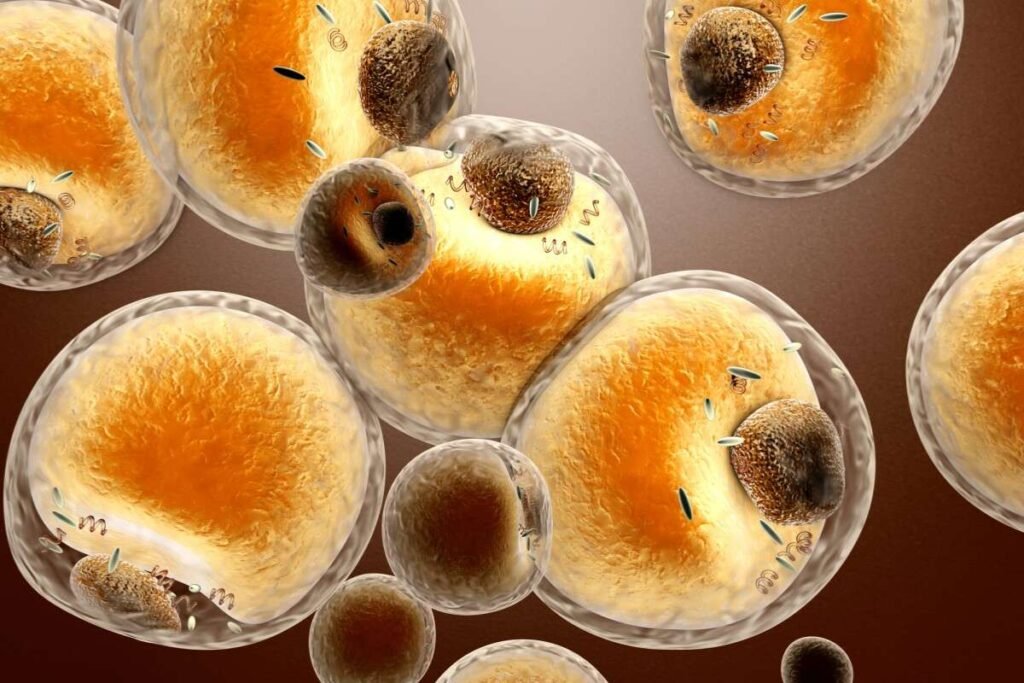
Brown fat cells contain large numbers of mitochondria, the structures inside cells that produce energy, and a protein that converts calories directly into heat. This process helps maintain body temperature and increases energy use.
Scientists once thought brown fat disappeared after infancy. Imaging studies in the late 2000s showed that many adults retain active brown fat deposits, particularly around the neck and upper chest.
Cold temperatures naturally activate these cells. When stimulated, brown fat burns additional calories to generate heat.
“That discovery changed how we think about fat,” said a metabolic biology researcher. “It is not just a storage organ. Some fat cells function more like a furnace.”
However, activating brown fat alone may not guarantee weight loss. When the body burns more energy, it often compensates by increasing hunger.
“The brain detects the higher energy demand and signals the body to eat more,” the researcher said. “That evolutionary response helped humans survive harsh environments.”
Scientists Explore New Strategy Combining Appetite And Energy Burn
Researchers are now studying ways to increase the body’s energy expenditure without triggering excessive hunger.
One promising area involves “beige” fat cells within white fat tissue that can transform into heat-producing cells under certain conditions. Scientists call the process “browning.”
“These cells show that fat tissue is remarkably adaptable,” said a metabolic disease specialist. “Instead of simply shrinking fat, we may be able to reprogram it.”
Scientists are exploring methods to stimulate these cells through drugs, hormones, or other biological signals. The goal is to safely increase the body’s calorie-burning capacity.
Experts say the most effective future treatments may combine appetite suppression with increased energy expenditure.
“By influencing both intake and output, we may achieve more durable weight loss,” one researcher said.
The shift also reflects a broader understanding of fat as a complex organ rather than simply excess body weight.
“Fat communicates with the brain, regulates metabolism, and can even burn energy,” the researcher explained. “Harnessing those functions could transform the future of Obesity Treatments.”
For scientists studying metabolism, the next phase of Obesity Treatments may involve not only encouraging people to eat less, but also strategically increasing how the body uses energy.
Visit Healthcare 360 Magazine For The Most Recent Information.