Key Takeaway:
- Women remain underrepresented in exercise research, especially in studies related to Exercise for women over 40.
- Some experts promote heavy strength training and interval workouts for midlife women, while others warn that there is limited evidence to abandon moderate cardio.
- Most scientists agree that balanced exercise, combining cardio, strength training, and flexibility, remains effective across all ages
New research debates whether Exercise for women over 40 should be modified, especially after age 40, and should modify workouts by reducing steady cardio and prioritizing strength training, amid growing scrutiny over male-focused fitness studies and limited female-specific evidence.
Scientists Challenge Male-Centered Fitness Research
Fitness experts are debating whether Exercise for women over 40 requires different exercise strategies than men, particularly during midlife hormonal changes linked to perimenopause and menopause.
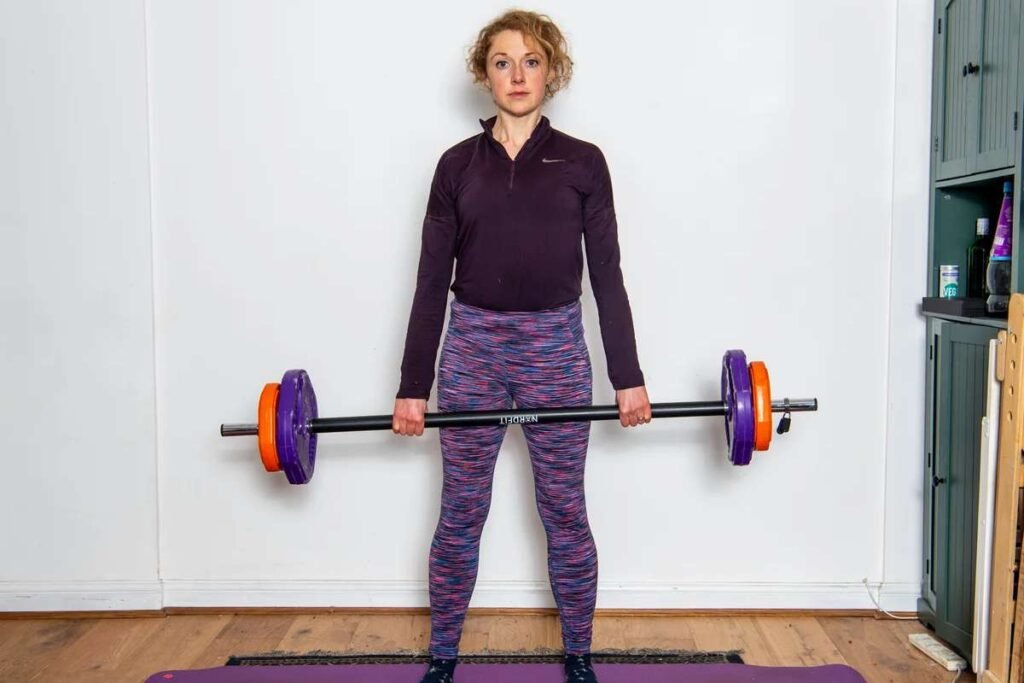
Sports scientist Dr Stacy Sims has gained global attention with her message that “women are not small men,” arguing that traditional exercise advice relies heavily on research conducted on male bodies. She says women over 40 should emphasize heavy strength training and “polarized” cardio, short, intense intervals combined with low-intensity activity such as walking.
“The women who are 40-plus who are doing the cardio are going to lack quality muscle,” Sims said during a podcast interview, warning that excessive moderate cardio could weaken bones and muscle composition.
Her recommendations arrive amid evidence that women remain underrepresented in sports science. A 2023 editorial in the British Medical Journal reported major knowledge gaps in research covering women’s cardiovascular health, postpartum physiology, and athletic performance.
Studies also show that only 6% to 9% of reputable sports science research focuses exclusively on female athletes, fueling demand for female-specific fitness guidance across social media and wellness communities.
Experts Question Claims About Cardio Risks
Not all researchers agree that Exercise for women over 40 needs radically different exercise routines.
Strength and conditioning coach Laurel Beversdorf, co-host of the Movement Logic podcast, said warnings against moderate cardio may oversimplify complex physiology.
“Moderate-intensity cardio has some of the most consistent and robust evidence behind it,” Beversdorf said. “It delivers reliable health benefits, and discouraging it could be harmful.”
Long-term research tracking more than 100,000 adults found that people engaging in high levels of moderate physical activity were up to 38% less likely to die from heart disease.
Fitness coach and author Elizabeth Davies added that overly strict rules risk discouraging participation rather than improving health outcomes.
“There are lots of loud voices giving very specific guidance for women at different life stages,” Davies said. “Our responsibility is not to overcomplicate movement unless there’s strong evidence.”
Government guidelines in the United Kingdom recommend at least 150 minutes of moderate activity weekly or 75 minutes of vigorous exercise, plus two strength-training sessions targeting major muscle groups — advice that applies broadly to adults regardless of gender.
Individual Needs Drive Ongoing Fitness Debate
Researchers say the controversy around Exercise for women over 40 highlights a larger issue: women’s health research is still catching up.
Sims maintains her recommendations stem from randomized controlled trials examining sex differences in aging and hormone changes. She argues women need clearer, science-based plans instead of fitness guidance generalized from male data.
Critics counter that physiology is only one factor shaping exercise needs. Sleep quality, caregiving responsibilities, injury history, and personal performance goals also influence training choices.
Experts increasingly advocate “autoregulation,” adjusting workouts based on daily energy levels rather than following rigid protocols. Flexible training approaches, they say, may reduce injury risk and improve long-term adherence.
While strength training is widely encouraged — particularly for bone density and muscle preservation with age — many scientists emphasize that cardio and resistance exercise remain beneficial throughout life.
The debate reflects a broader cultural shift, especially in Exercise for women over 40, away from older fitness norms that separated strength training for men and cardio-focused routines for women. Researchers say the emerging consensus may be less about replacing traditional workouts and more about expanding options.
“Cardio and weights are appropriate for women across their lifespan,” physical therapist Sarah Court said. “The goal is helping women move in ways that support health and performance, not limiting what they can do.”
Visit more of our news! Healthcare 360 Magazine