Key Takeaway:
- Nearly 375,000 bottles are part of a Duloxetine Recall after elevated nitrosamine levels, which pose a potential cancer risk with long-term exposure, were detected.
- The FDA classified the recall as Class II, indicating possible temporary or reversible health effects.
- Patients should contact their doctor or pharmacist for guidance and should not stop taking duloxetine without medical advice.
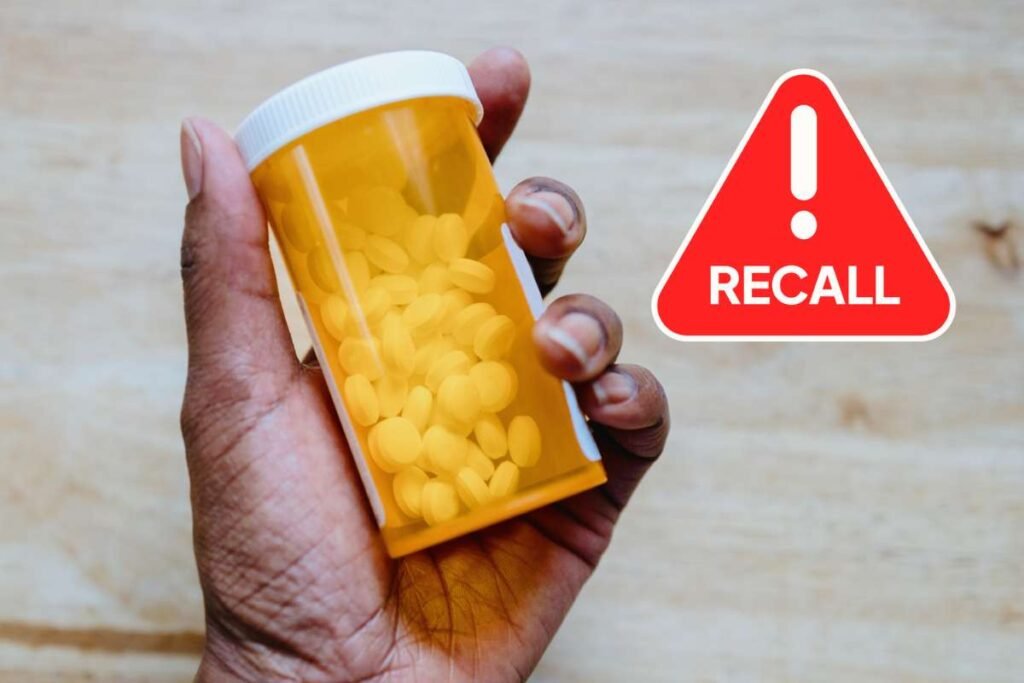
Nearly 375,000 bottles of the antidepressant are subject to a Duloxetine Recall nationwide after the U.S. Food and Drug Administration detected elevated levels of nitrosamines, chemicals associated with cancer risk following long-term exposure, in certain lots.
FDA Assigns Class II Recall Status
The FDA announced that Breckenridge Pharmaceutical Inc. voluntarily recalled affected duloxetine products on June 4. The agency later classified the action as a Class II recall on June 8, indicating that use of the product could cause temporary or medically reversible adverse health consequences.
The recall involves approximately 374,405 bottles of prescription-only duloxetine delayed-release capsules in 30-milligram and 60-milligram strengths.
Nitrosamines are chemical compounds that can increase cancer risk when people are exposed to levels above acceptable limits over extended periods. The FDA regularly monitors medications for contamination by these compounds.
Breckenridge Pharmaceutical has not reported any confirmed injuries or illnesses related to the recalled products.
Recalled Lots Include Multiple Dosages
The recall affects one lot of duloxetine delayed-release capsules, USP, 30 mg, packaged in bottles containing 1,000 capsules. The affected lot, identified by code 241180C, carries an expiration date of April 2027 and accounts for 14,729 bottles.
The larger portion of the Duloxetine Recall involves delayed-release capsules, USP, 60 mg, packaged in bottles containing either 90 or 1,000 capsules, with multiple lot numbers carrying expiration dates from November 2026 through May 2027.
In total, 359,676 bottles of the 60 mg product are affected.
Duloxetine is commonly prescribed to treat major depressive disorder, generalized anxiety disorder, and certain chronic pain conditions.
Patients Urged to Consult Doctors Before Stopping Medication
Health experts caution patients not to stop taking duloxetine without first consulting a healthcare professional.
“While the Duloxetine Recall notifications can be unsettling, it’s important to contact your healthcare provider right away for guidance before making any changes to your medication routine,” said Jennifer Young, a lead medication safety specialist at the Institute for Safe Medication Practices.
Young added that some medications “should not be stopped suddenly,” as abrupt discontinuation can lead to withdrawal symptoms or worsening health conditions.
The FDA advises patients who possess affected products to contact their pharmacist or prescribing physician to discuss replacement options and determine the safest course of action.
Class II recalls generally involve products that may cause adverse health effects, but where the likelihood of serious injury is considered remote. Regulators and healthcare providers emphasize that patients should weigh the risks of continued use against the potential dangers of abruptly stopping prescribed treatment.
Consumers can review recall details through the FDA’s recall database or speak with healthcare professionals if they are uncertain whether their medication is part of the affected lots.
Visit Healthcare 360 Magazine For The Most Recent Information.