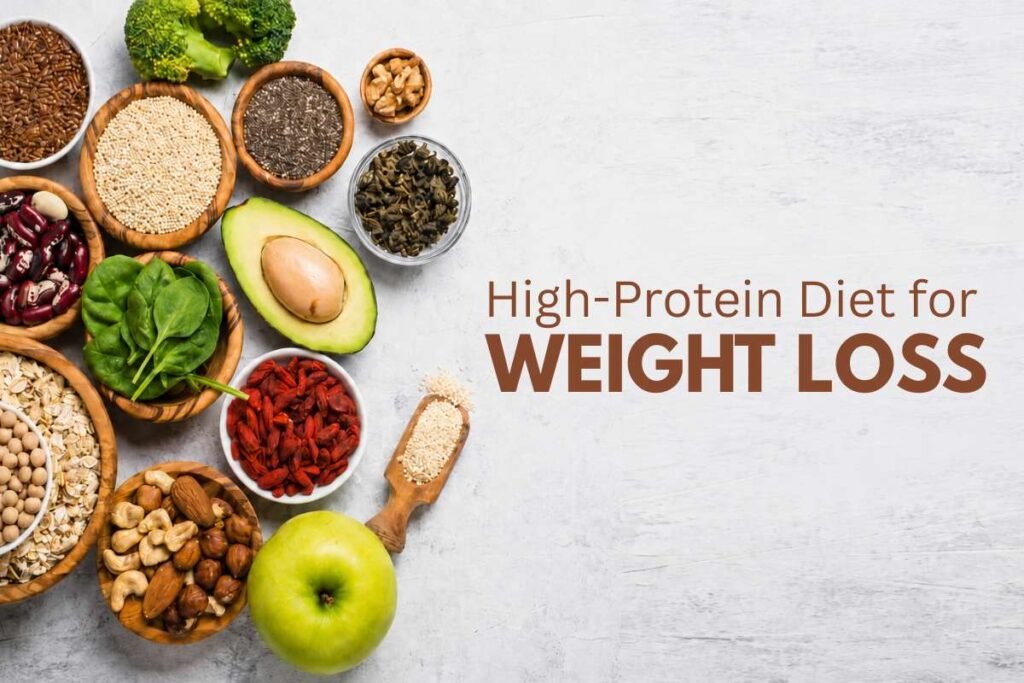
A high-protein diet for weight loss works by keeping you full longer and protecting your muscle mass while you burn fat. The best protein sources include lean meats like chicken and turkey, seafood like salmon and tuna, dairy options like eggs and Greek yogurt, and plant-based foods like lentils and tofu. Read on to learn how to hit your daily protein targets and create a simple, effective meal plan.
Did you know that increasing your protein intake can naturally reduce your daily calorie consumption by curbing hunger hormones? Many people struggle with constant cravings when trying to lose weight, but a high-protein diet for weight loss addresses this challenge at the biological level.
In this article, we break down the strategies to help you use protein for sustainable fat loss. Whether you are a fitness enthusiast or simply looking for a more effective way to manage your weight, these insights will help you build a smarter, more satisfying nutrition plan.
Why protein is so effective for weight loss?
A high-protein diet helps you lose weight in two simple ways, which are by turning up your metabolism and by keeping you feeling full.
Think of protein as a high-effort fuel. Your body has to work much harder to break it down than it does with carbohydrates or fats, a process experts call the “Thermic Effect of Food” (TEF) . While your body uses very little energy to process fats and carbs, it burns about 20-30% of the calories in protein just through the process of digestion.
Protein also acts as a natural appetite suppressant. It triggers the release of hormones that tell your brain you are full (like GLP-1 and PYY) while simultaneously lowering ghrelin, the hormone responsible for making you feel hungry. This double benefit makes it much easier to stick to your goals without constantly feeling deprived.
How much protein do you really need to lose weight?

While the standard protein recommendation is 0.8g per kilogram of body weight, that is usually too low when you are cutting calories to lose weight. Research suggests that bumping your intake to 1.2g to 2.0g per kilogram of body weight is the sweet spot for protecting your muscle mass.
Focusing on this range ensures that the weight you shed comes from body fat, rather than your hard-earned muscle. The table below provides a quick reference to help you set your target.
| Activity Level | Daily Goal (g per kg of body weight) |
| Sedentary / Maintenance | 0.8g – 1.0g |
| Light Activity | 1.2g – 1.4g |
| Strength Training / Fat Loss | 1.6g – 2.0g |
What are the best foods for a high-protein diet for weight loss?
Success on a weight loss diet comes down to variety. Adding a mix of protein-rich foods from both animal and plant sources provides the nutrients your body needs to build muscle while keeping your digestion healthy.
Here is a breakdown of the best high-protein sources categorized by how they are produced.
1. Animal-based sources
These are generally ‘complete’ proteins, meaning they provide all the essential amino acids your body needs to function well.
- Chicken Breast (31g per 100g cooked). It is high in protein but low in fat, making it perfect for keeping your calories low while staying full.
- Turkey Breast (29g per 100g cooked). Like chicken, turkey is extremely lean. It is a fantastic option for meal prep because it is mild in flavor and works well in almost any dish, from salads to stir-fries.
2. Seafood
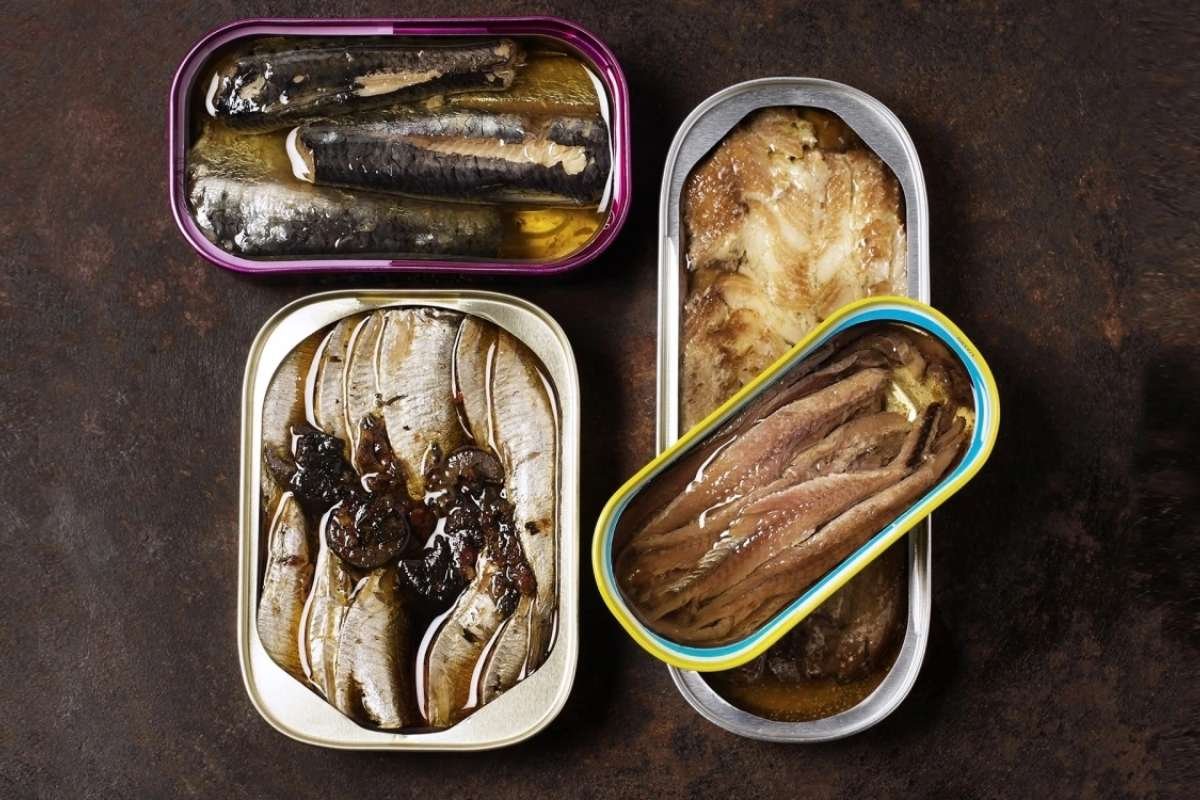
Seafood is often the gold standard for weight loss. It is light on calories but dense in nutrients.
- Canned Tuna (25g per 100g). This is the ultimate budget and convenience food. It is almost pure protein, making it one of the easiest ways to hit your daily goals when you are short on time.
- Salmon (22g per 100g cooked). Salmon is famous for its Omega-3 fatty acids. These healthy fats help fight inflammation in the body and keep your heart healthy, making them a must-have even if they are slightly higher in calories than white fish.
3. Dairy and eggs
These are excellent, affordable options that are easy to keep in your fridge and add to your daily routine.
- Greek Yogurt (10g per 100g). Unlike regular yogurt, Greek yogurt is strained to remove liquid, which doubles the protein content. It also contains probiotics, which support a healthy gut, a key factor in managing weight.
- Eggs (13g per 100g / approx. 6g per large egg). Eggs are the benchmark for protein quality. They contain almost all the essential vitamins and minerals your body needs, and they are incredibly versatile for breakfast, lunch, or dinner.
4. Plant-based sources
If you are eating plant-based, the key is variety. Mixing different plant sources ensures you get all the nutrients your body craves.
- Lentils (9g per 100g cooked). Lentils are a nutritional powerhouse. They are packed with fiber, which slows down digestion and keeps you full for hours, a huge advantage when you are trying to eat less.
- Tofu (8g per 100g) Tofu is a blank canvas. Because it is low in calories but holds flavor well, it is a great way to bulk up a meal without adding heavy fat or excessive calories.
READ MORE:
- High-Protein Fast Foods: The Complete Guide for Busy, Health-Conscious People
- 15 High Protein Snacks Worthy of Your Snack Drawer
Quick-reference snapshot
Use this table to plan your weekly shopping list for a high-protein diet for weight loss.
| Food Item | Protein (per 100g) |
| Chicken Breast | 31g |
| Turkey Breast | 29g |
| Canned Tuna | 25g |
| Salmon | 22g |
| Eggs | 13g |
| Greek Yogurt | 10g |
| Lentils (Cooked) | 9g |
| Tofu (Firm) | 8g |
How to integrate protein into your day?
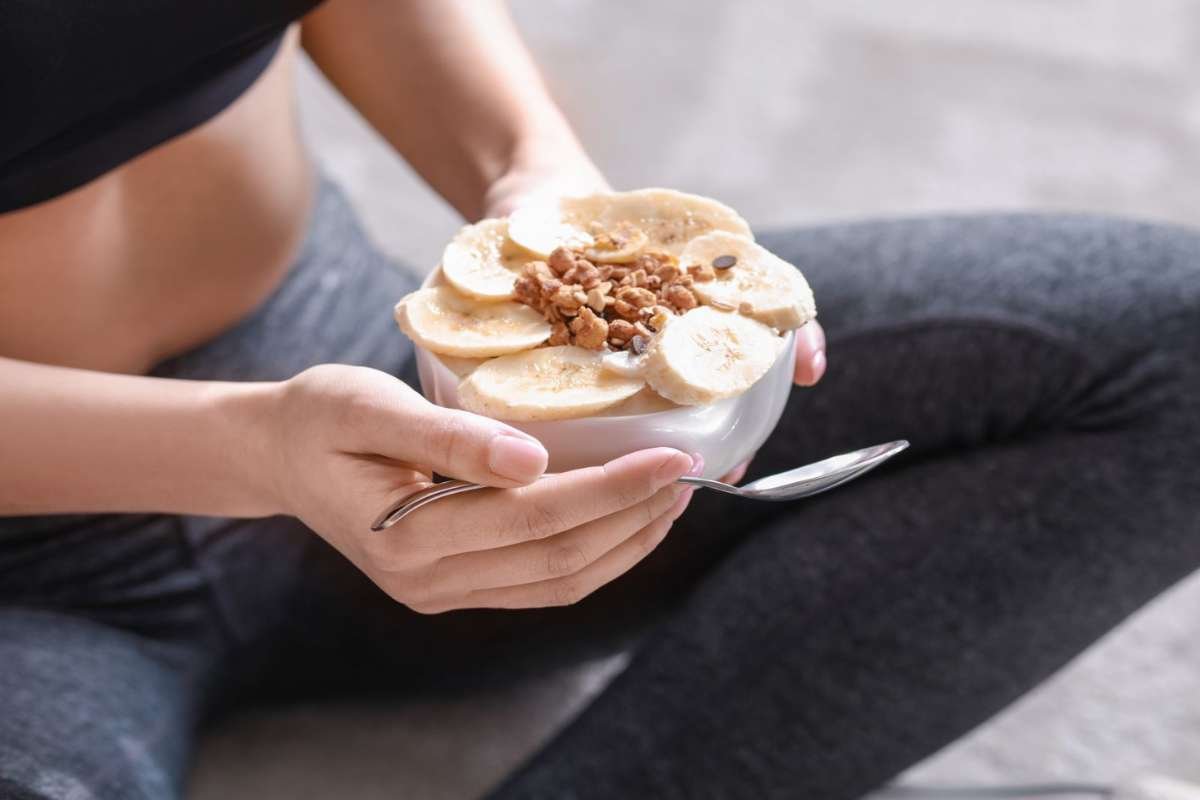
You don’t need to force-feed yourself protein shakes. The best strategy is to spread your protein-rich foods throughout the day. This keeps your hunger stable and helps your body use protein efficiently.
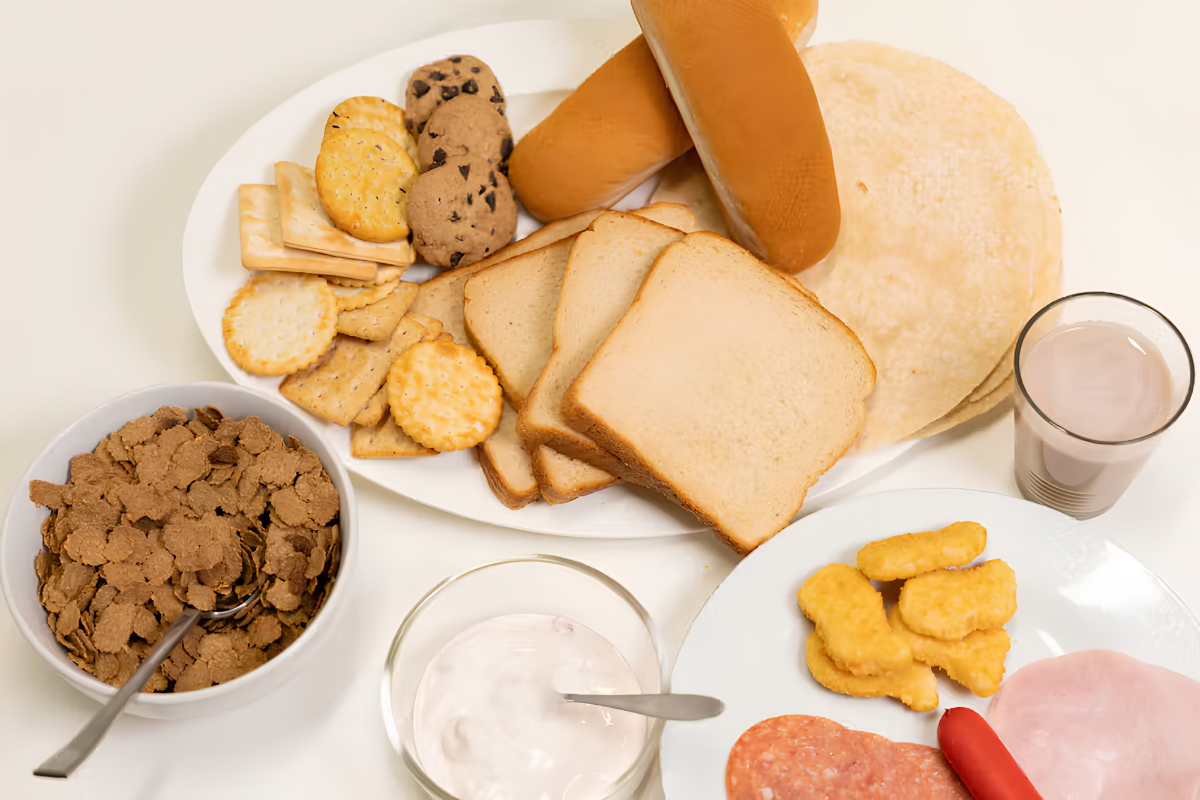
- Swap carb-heavy cereals for Greek yogurt or eggs to fuel your morning properly.
- For busy days, keep ‘grab-and-go’ protein sources like pre-cooked chicken, hard-boiled eggs, or high-quality protein shakes available.
- Reach for protein-dense snacks like hard-boiled eggs or cottage cheese instead of chips when hunger strikes.
- Combine different plant sources, like quinoa and beans, to easily create complete protein profiles.
Are there risks to eating more protein?
Many people worry that high protein intake harms the kidneys. However, studies show that for healthy adults, it does not cause damage. Your kidneys simply work a bit harder to process protein, which is a normal, healthy reaction.
As long as you drink plenty of water and maintain a balanced weight loss diet, this way of eating is safe for most people.
Conclusion:
Adopting a high-protein diet for weight loss is an effective way to reach your goals while feeling full and energized. By choosing high-quality protein sources and spreading them throughout your day, you build a sustainable path to success. Remember, consistency beats perfection. Start small, listen to your body, and enjoy the process of nourishing yourself.
FAQs
Q1. Will a high-protein diet automatically make me lose weight?
A: Not on its own. A calorie deficit is still the fundamental driver of any weight loss diet; however, protein makes achieving that deficit significantly easier by controlling hunger.
Q2. Can I get too much protein?
A: While there is an upper limit to how much muscle your body can synthesize at once, consuming excess protein is generally safe. The biggest risk is not too much protein, but rather eating it at the expense of other essential nutrients like fiber and vitamins.
Q3. Does it matter if my protein comes from meat or plants?
A: Both sources are beneficial. Animal proteins are typically more complete, but you can easily meet your needs with plant-based proteins by varying your sources to ensure you receive all essential amino acids.