
Carbs don’t make you fat; poor carb choices do. This article covers the truth about carbs in plain language: what carbs actually are, the difference between good and bad carbs, how they affect your blood sugar, and exactly how many you need based on your lifestyle. Walk away with a practical eating guide you can use starting today.
Carbs have been blamed for weight gain, belly fat, and just about every diet disaster for many years. Low-carb diets have soared in popularity, and grocery store shelves are lined with “low-carb” labels as if carbohydrates were toxic.
Most people searching for the truth about carbs find conflicting advice: cut them completely, eat only “good” ones, or avoid them after 6 pm. It’s confusing, and most of it isn’t backed by science.
This article gives you the real truth: what they are, which ones help you, and which ones hurt. We’ll also explore how they affect your blood sugar, and how many you actually need based on your lifestyle.
What You’re Getting Wrong: Do Carbs Make You Fat?
No. But the source matters more than you think.
The idea that carbs cause weight gain is one of the most widespread myths in nutrition. Here’s how it started: low-carb diets like Atkins and Keto showed fast results on the scale. People cut carbs, lost weight quickly, and assumed carbs were the problem.
What actually happened? They ate fewer calories overall and lost water weight first. A major 2025 study in the European Journal of Nutrition proved that if calories are equal, swapping carbs for fats doesn’t change your weight loss results. It’s the overall calorie balance, not carbohydrate intake alone, that drives fat gain and loss. That’s the truth about carbs and weight: quality and quantity both matter, but carbs alone are not the villain.
So what are carbs, exactly?
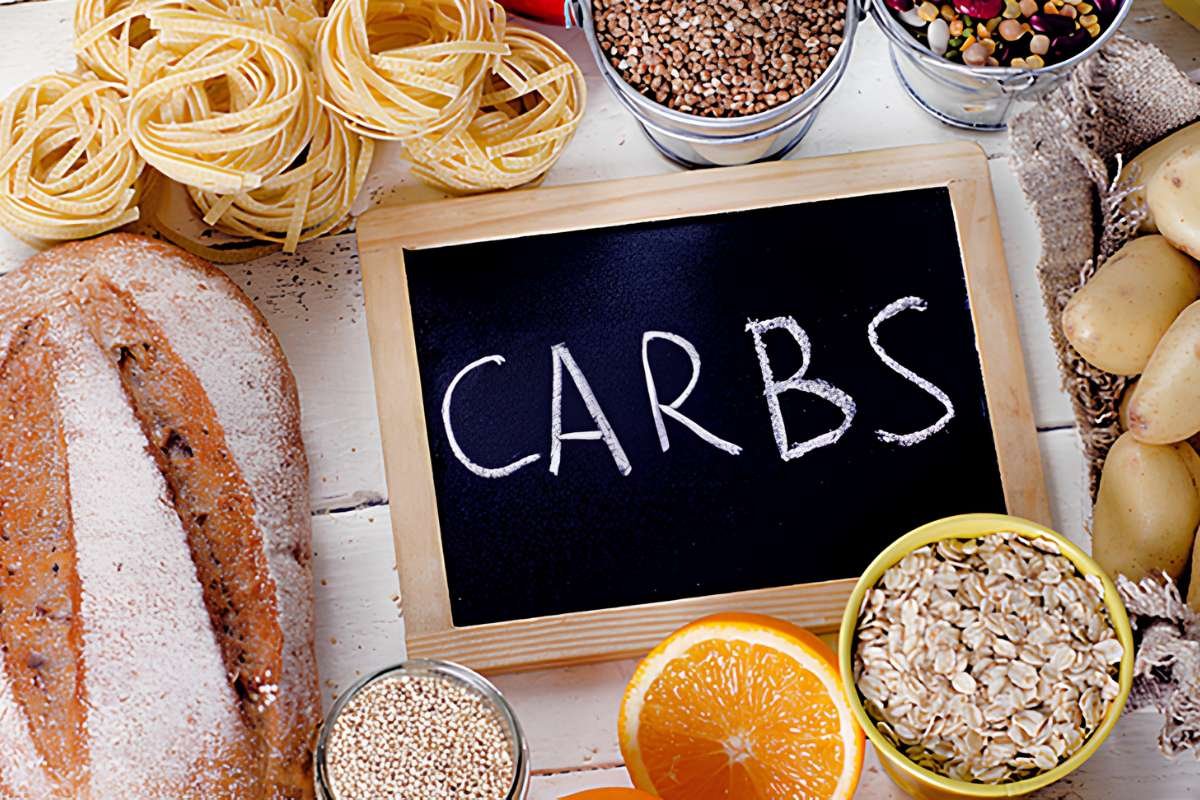
Carbohydrates are one of three major macronutrients your body needs, alongside protein and fat. They come in three forms:
- Sugars: simple, fast-digesting (fruit, candy, soda)
- Starches: complex chains of sugar (bread, rice, potatoes)
- Fibre: indigestible plant matter that feeds your gut bacteria
Your body converts most carbs into glucose, which is the primary fuel for your brain, muscles, and organs. The brain alone uses roughly 120 grams of glucose per day, according to research from the Journal of Cerebral Blood Flow & Metabolism.
Cut carbs completely, and your body doesn’t shut down. It switches to burning fat (ketosis). But that switch comes with side effects for many people, which we’ll cover later.
Good Carbs vs. Bad Carbs: What’s the Real Difference?
Not all carbs are the same. When people ask about the truth about carbs, this is usually what they really want to know: which ones are safe to eat, and which ones to cut.
It really comes down to one word: quality.
Good Carbs (Eat More of These)
These are minimally processed, high in fibre, and nutrient-dense. An expert panel report took this further, defining high-quality carbohydrates as foods that maintain “favorable fiber and free sugar-to-carbohydrate ratios” while delivering critical nutrients like potassium.
| Food | Why It’s Good |
| Oats | High fibre, slow digestion, lowers LDL cholesterol |
| Brown rice | More fibre and B-vitamins than white rice |
| Sweet potatoes | Rich in fibre, vitamin A, and potassium |
| Lentils & chickpeas | High protein + fibre, very low GI |
| Apples & berries | Natural sugars paired with fibre and antioxidants |
| Whole wheat bread | More nutrients than refined white bread |
A major 2025 study confirmed that individuals with a higher intake of whole grains increase their consumption of dietary fiber, B vitamins, and minerals. This leads to vastly improved metabolic health.
Bad Carbs (Limit These)
When finding out the truth about carbs, it is important to know which carbs are bad for you. These are heavily processed, low in nutrients, and digest quickly. They spike your blood sugar and leave you hungry again soon after.
- White bread and white pasta
- Sugary cereals
- Candy, cookies, pastries
- Soda and fruit juices with added sugar
- Chips and crackers made from refined flour
The American Heart Association recommends limiting added sugar to no more than 25 grams per day for women and 36 grams per day for men. Most Americans consume nearly double that.
Carbs and Blood Sugar: How Does the Glycaemic Index Work?

This is the why behind good and bad carbs, and a key piece of the truth about carbs that actually changes how you eat.
When you eat carbohydrates, your digestive system breaks them down into glucose. That glucose enters your bloodstream, and your blood sugar rises. Your pancreas releases insulin to move glucose into cells for energy.
The key question is: how fast does that rise happen?
That’s what the Glycaemic Index (GI) measures. It ranks foods from 0 to 100 based on how quickly they raise blood sugar compared to pure glucose.
| GI Range | Category | Examples |
| 55 or below | Low GI | Oats (55), Lentils (32), Apple (36), Brown rice (50–55) |
| 56–69 | Medium GI | Sweet potato (63), Whole wheat bread (69), Banana (58) |
| 70 and above | High GI | White bread (75), Cornflakes (81), White rice (73–85) |
Source: University of Sydney GI Database
Why Does This Matter in Real Life?
Eating high-GI foods causes a sharp spike in blood sugar followed by a rapid drop. That crash is what gives you the mid-afternoon slump, sudden hunger, and cravings for more sugar.
Low-GI foods release glucose slowly, giving you steady energy for hours. This also helps with:
- Appetite control (you stay full longer)
- Better concentration and focus
- Lower risk of type 2 diabetes over time
- More consistent mood
How Many Carbs Do You Actually Need?

Most nutrition guidelines recommend that 45–65% of your daily calories come from carbohydrates. For a 2,000-calorie diet, that’s roughly 225 to 325 grams of carbs per day.
But that’s a general range. Your ideal intake depends on your lifestyle. This is where the truth about carbs gets personal; one number doesn’t fit everyone.
| Lifestyle | Suggested Daily Carbs | Notes |
| Sedentary (desk job, low activity) | 150–200g | Focus on high-fibre, low-GI sources |
| Moderately active (3–4 workouts/week) | 200–275g | Include complex carbs around workouts |
| Very active / athlete | 275–400g+ | Higher carb needs to fuel performance |
| Managing blood sugar/prediabetes | 100–150g | Work with a dietitian for personalised targets |
| Trying to lose weight | 150–200g | Cut refined carbs first, not all carbs |
Important Note: These ranges are general estimates based on standard nutrition guidelines. Individual needs vary based on body weight, health status, and activity type. Always consult a registered dietitian for personalised targets.
The bigger mistake most people make isn’t eating too many carbs; it’s getting most of their carbs from low-quality sources.
How Do You Choose the Right Carbs? A Practical Guide
Understanding the truth about carbs is one thing, but applying it is another. Here’s a simple framework for everyday choices.
What to Include?
- Whole grains daily: oats at breakfast, brown rice or quinoa at lunch or dinner
- Legumes 3–4x per week: lentils, black beans, chickpeas — high in fibre and slow-digesting
- Starchy vegetables: sweet potatoes, corn, and peas count as carbs but come packed with nutrients
- Fruit: 2 servings a day is ideal. Whole fruit is better than juice (the fibre slows sugar absorption)
- High-fibre bread: look for “whole grain” as the first ingredient, and at least 3g of fibre per slice
What to Limit?
- White bread, white pasta, and white rice (swap for whole-grain versions)
- Breakfast cereals with more than 8g of sugar per serving
- Flavoured yoghurts, granola bars, and “health” snacks with hidden sugar
- Sugary drinks (even 100% fruit juice can spike blood sugar as fast as soda)
Example of a Good Carb Day
Breakfast: Oatmeal with berries and a handful of walnuts (Slow-digesting oats + natural fruit sugar + healthy fat = steady energy for hours)
Lunch: Lentil soup with a slice of whole grain bread (High protein, high fibre, low GI — keeps you full until dinner)
Snack: An apple with peanut butter (Natural carbs + fat + protein = no sugar crash)
Dinner: Grilled chicken with roasted sweet potato and broccoli (Complex carbs + lean protein + non-starchy vegetables)
This kind of day gives you roughly 180–220g of carbs, all from quality sources.
Conclusion
Carbs are not your enemy. Processed, low-fibre, high-sugar carbs are the problem. And they’re easy to cut without giving up carbohydrates entirely.
Your body needs carbohydrates to fuel your brain, regulate your mood, support your gut, and power your muscles. Once you understand the truth about carbs and how to choose them well, healthy eating gets a lot less complicated.
Start simple: swap one refined carb for a whole grain version this week. White rice for brown. Sugary cereal for oats. Small swaps, done consistently, make a bigger difference than any fad diet.
FAQs
1. What is the unhealthiest carb to eat?
Added sugar (particularly in drinks like soda and fruit juice) is widely considered the unhealthiest carb because it spikes blood sugar rapidly and provides zero nutrients.
2. What happens after 2 weeks of no carbs?
Most people experience rapid water weight loss, fatigue, brain fog, and irritability in the first 1–2 weeks (called the “keto flu”) as the body switches to burning fat for fuel instead of glucose.
3. What’s the worst carb for belly fat?
Liquid sugar (soda, sweetened coffee drinks, energy drinks) is particularly linked to visceral belly fat because it bypasses the satiety signals that solid food triggers, making it easy to consume large amounts of calories without feeling full.
4. Are all low-carb diets healthy?
Not necessarily. The truth about carbs says that cutting carbs drastically over the long-term may affect mood, memory, and energy. Especially if healthy fibre sources are eliminated along with the refined ones.
5. Can eating carbs at night cause weight gain?
Timing matters far less than total daily intake and food quality. Research consistently shows that eating carbs at night does not inherently cause weight gain.