Key takeaway:
- TikTok Sunscreen Misinformation receives significantly higher engagement than science-backed content, even though it represents only a small share of posts on the platform.
- Researchers found no scientific evidence that commonly used sunscreen ingredients are harmful, reaffirming that both chemical and mineral sunscreens are safe.
- Health experts warn social media is driving confusion about sun safety, particularly among younger adults, potentially increasing skin cancer risks.
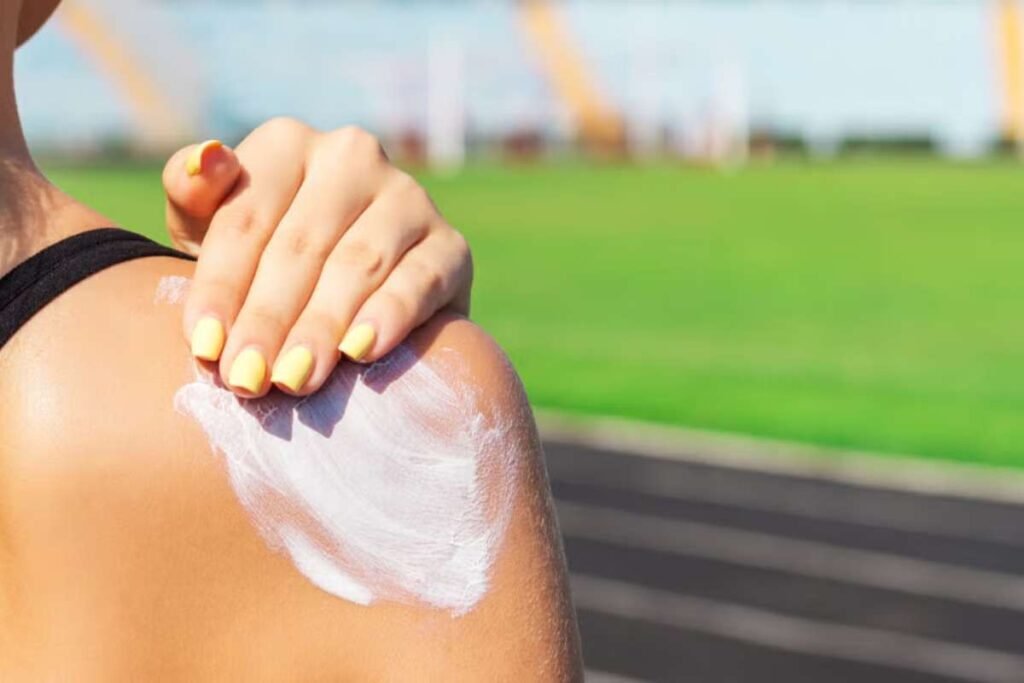
A new study analyzing nearly 1,000 of TikTok’s most-viewed sunscreen-related posts found that TikTok Sunscreen Misinformation—such as false claims that sunscreen is unsafe and that sunburns are not dangerous—is gaining disproportionate engagement on the platform.
Study finds misinformation draws higher engagement
Researchers found that TikTok Sunscreen Misinformation makes up only a small portion of content on the platform but generates significantly higher levels of user interaction compared to videos promoting sunscreen use.
The study, published in the journal PLOS Digital Health, examined 971 of the most-viewed TikTok videos related to sunscreen in late September 2024. Researchers evaluated the presence, characteristics, and engagement levels of misinformation surrounding sun protection products.
While about 86% of the videos promoted sunscreen as a tool to prevent skin damage, premature aging, acne, and skin cancer, a smaller number questioned its safety. Researchers found that only 6% of videos criticized sunscreen, while about 7% were neutral or focused on product reviews.
Despite their limited presence, videos casting doubt on sunscreen received more likes, comments, and shares than content supporting its use.
The findings highlight the growing influence of TikTok Sunscreen Misinformation on social media platforms, where controversial claims often attract greater attention than evidence-based information.
Researchers reject claims about sunscreen safety risks
Many of the misleading videos claimed sunscreen contains toxic ingredients, disrupts hormones, contaminates breast milk, includes microplastics, or harms the environment.
Researchers said current scientific evidence does not support those claims.
“There are currently no scientific indications that any ingredient widely used in ‘chemical’ sunscreens is harmful to one’s health,” the study’s authors wrote.
The researchers noted that consumers may choose either mineral or chemical sunscreens based on personal preference, but both types are considered safe and effective.
“Both options are considered safe, and in no circumstance is not using sunscreen a safer option than using a ‘chemical’ product during sun exposure,” the authors added.
Health experts continue to recommend sunscreen as a key defense against harmful ultraviolet radiation, which can contribute to skin cancer and other forms of skin damage.
The study’s authors warned that widespread misinformation could discourage people from using sunscreen and undermine public health efforts aimed at reducing skin cancer risk.
Dermatologists warn social media shapes sun safety habits
The study’s findings align with broader concerns about public understanding of sun safety.
According to the American Academy of Dermatology, nearly half of Americans earned a grade of C or lower on the organization’s sun safety quiz, despite many rating their own habits positively.
Among adults ages 18 to 29, one-third received a D or F grade, suggesting significant gaps in knowledge among younger Americans.
Dr. Marisa Garshick, a dermatologist at MDCS Dermatology in New York and a fellow of the American Academy of Dermatology, said social media plays a major role in spreading inaccurate information.
“I would say 95% of the misinformation we can attribute to social media,” Garshick told NBC News.
She said influencers can affect behavior both directly and indirectly by promoting tanning or questioning sunscreen use.
Garshick explained that TikTok Sunscreen Misinformation can spread either directly, when people discuss supposed problems with sunscreen, or indirectly, when a favorite influencer showcases spending hours in the sun and highlights their tan lines.
Researchers and health professionals are urging social media users to rely on established scientific evidence and medical guidance when making decisions about sun protection.
Visit Healthcare 360 Magazine For The Most Recent Information.