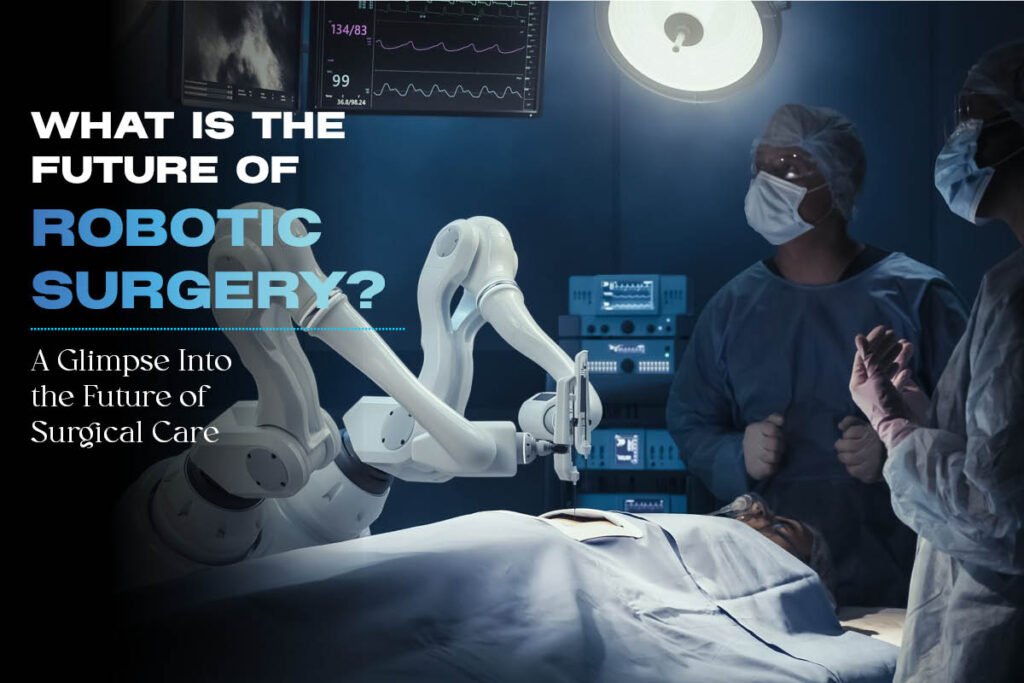
Picture stepping into an operating room where surgeons sit at advanced consoles, robotic arms perform delicate tasks, and real-time imaging guides each decision. In another city, a specialist monitors the procedure and provides immediate advice via secure digital connections. What once belonged in science fiction is steadily entering everyday medical practice. Robotic surgery is now one of the fastest-growing areas in medicine, with expanding use in urology, gynecology, orthopedics, cardiothoracic surgery, and oncology.
As these technologies become more common, one question stands out: what is the Future of Robotic Surgery, and how will robotic surgery change healthcare in the coming years?
How Is Robotic Surgery Transforming Healthcare Today?
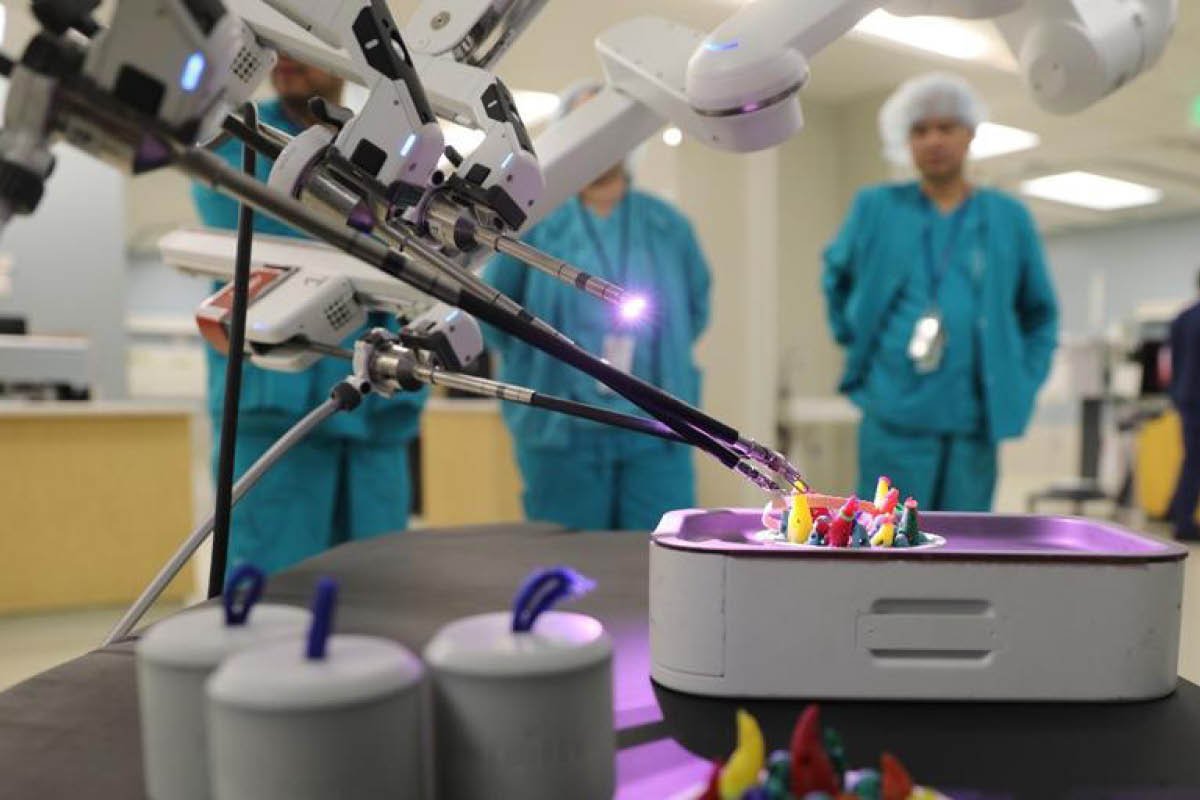
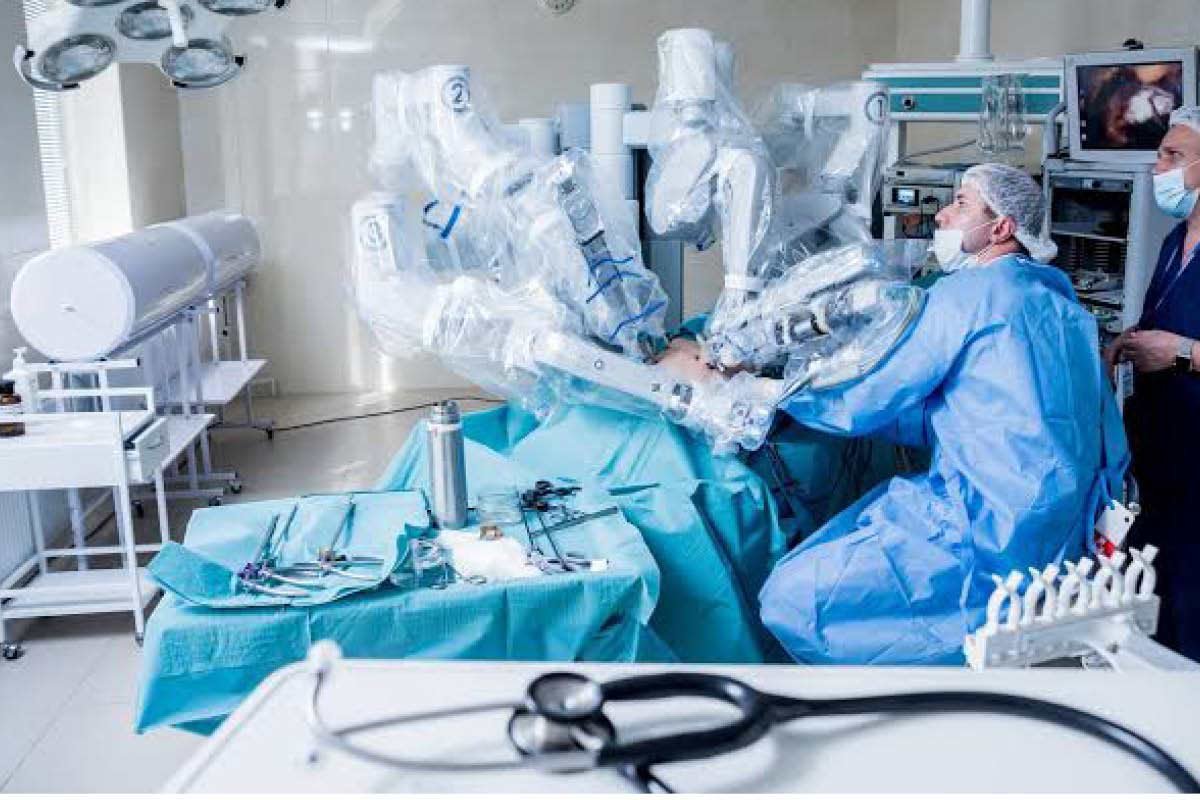
The Future of Robotic Surgery is already taking shape through computer-assisted systems that help surgeons perform complex procedures through tiny incisions. The surgeon remains fully in control at every stage, directing each instrument and decision. Platforms such as the da Vinci Surgical System are widely used in urology, gynecology, general surgery, and cardiothoracic procedures.
High Scores
- Precision: Robotic instruments allow highly controlled movements during delicate operations.
- Visualization: Three-dimensional, high-definition imaging gives surgeons a detailed view of the surgical site.
- Surgeon Ergonomics: Console-based surgery can reduce physical strain during lengthy procedures.
- Patient Benefits: Many patients experience less blood loss and shorter recovery periods.
Needs Improvement
- Affordability: Equipment and maintenance costs remain high.
- Accessibility and Training: Many hospitals still lack access, and specialized training is essential for safe use.
Even with current limitations, robotic surgery is already reshaping how many complex procedures are performed.
Trend Watch: What Is Influencing the Future of Robotic Surgery?
Several important developments are already influencing how the Future of Robotic Surgery will be practiced in the years ahead.
Trend 1: Smarter Operating Rooms
Artificial intelligence is beginning to assist surgeons with real-time guidance, offering insights during procedures and helping identify critical anatomical structures.
Trend 2: Smaller, Flexible Systems
Compact robotic platforms and single-port systems are making surgery less invasive while allowing greater maneuverability in confined surgical spaces.
Trend 3: Rising Market Competition
More companies are entering the robotic surgery field, giving hospitals additional technology options and creating opportunities for lower procedure costs.
Trend 4: Connected Surgical Ecosystems
Cloud-based data collection, integrated imaging, and digital analytics are turning operating rooms into highly connected environments.
Trend 5: Expanding Clinical Use
Robotic surgery is moving beyond urology, with growing applications in general surgery, thoracic procedures, colorectal surgery, and orthopedics.
As these trends continue, the Future of Robotic Surgery is likely to become increasingly accessible and widely used across medical specialties.
Meet the Future Surgical Assistant: Artificial Intelligence
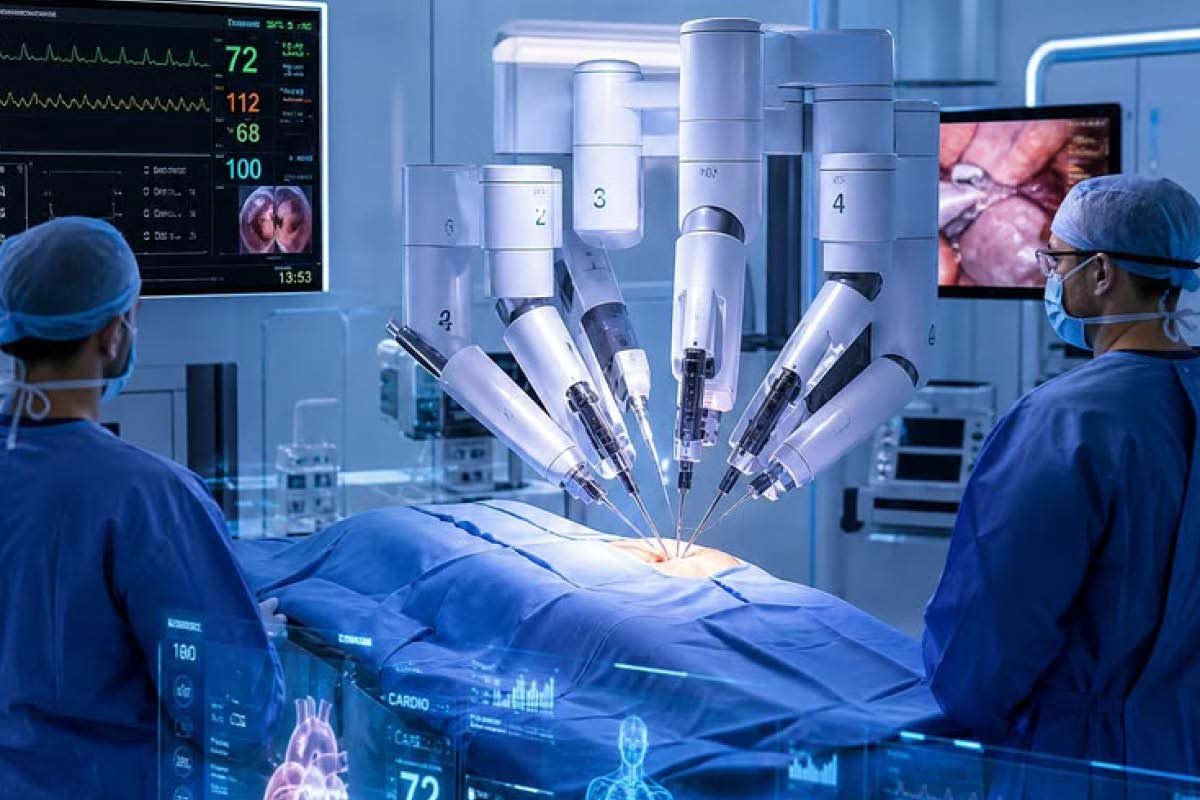
What if a robotic system could recognize anatomy, identify risks, and offer guidance during surgery? Researchers are already developing tools that may support surgeons throughout complex procedures.
Meet the Digital Surgical Assistant
1. Extra Eyes:
Artificial intelligence can analyze surgical images in real time, helping identify anatomical structures and track the different stages of an operation.
2. Extra Memory:
Large surgical databases allow systems to compare ongoing procedures with previous cases. This information can help assess surgical performance and improve training programs.
3. Extra Procedural Guidance:
Future systems may provide predictive alerts when they detect patterns associated with potential complications. Voice-activated operating room technologies could also allow surgeons to access patient information or imaging without interrupting the procedure.
Despite these advances, robotic systems are expected to remain supportive tools. Surgeons will continue to make the critical decisions that determine patient care.
Will Distance No Longer Limit Surgical Care?
One Patient, Two Locations, One Procedure
A patient in a remote community needs a complex operation, yet the nearest specialist is hundreds of miles away. As the Future of Robotic Surgery continues to evolve, advanced robotic technology allows the expert to guide or perform the procedure without requiring the patient to travel.
This concept, known as telesurgery, may expand access to specialized care in rural and underserved regions. Remote mentoring could also allow experienced surgeons to support local medical teams during difficult cases. In emergencies or disaster situations, these capabilities may prove especially valuable. However, successful remote surgery depends on highly reliable communication networks. Strong cybersecurity protections and rigorous patient safety measures will remain essential as these technologies become more widely adopted.
Can Surgical Robots Ever Operate Without Human Hands?
Will robots eventually perform surgery independently? The idea attracts significant attention, but current capabilities remain limited.
What Is Already Happening?
Some robotic systems can automate selected repetitive tasks during procedures. Robotic assistance is already common in certain orthopedic surgeries, where systems help position implants with high accuracy. Researchers have also demonstrated autonomous suturing in controlled settings.
What Still Remains Experimental?
Fully autonomous soft tissue surgery is still under investigation. Independent decision-making during complex operations presents an even greater challenge because surgical conditions can change unexpectedly.
Important Takeaway
Human oversight will remain essential for the foreseeable future. Surgery frequently requires clinical judgment, rapid adaptation, and ethical decision-making that current robotic systems cannot reliably provide.
For the foreseeable future, surgical robots are likely to serve as highly advanced assistants rather than independent surgeons.
What Challenges Could Slow the Adoption of Robotic Surgery?
Despite impressive progress, several important challenges could slow the wider adoption of robotic surgery.
- High Costs: Purchasing robotic systems and maintaining them requires substantial financial investment, which can limit adoption for many hospitals.
- Training Demands: Surgeons and operating room teams need extensive education and hands-on practice to use these systems safely.
- Regulatory Requirements: New technologies must undergo rigorous clinical testing and receive regulatory approval before widespread use.
- Data Privacy and Cybersecurity: Connected surgical platforms must protect sensitive patient information and remain secure against cyber threats.
- Unequal Access: Major differences still exist between high-resource and low-resource healthcare systems, creating disparities in availability.
- Reimbursement Questions: Healthcare providers and insurers continue to evaluate whether robotic procedures consistently deliver sufficient value for their cost.
Addressing these barriers will be essential if the Future of Robotic Surgery is to become a routine option for patients worldwide.
What Will the Patient Experience Look Like?
A Patient’s Surgical Journey in 2035
1. Preoperative Planning:
A patient receives a personalized surgical plan based on imaging, medical history, and procedure-specific data.
2. Procedure Day:
Advanced robotic systems assist surgeons during complex operations, improving precision and potentially reducing complications in selected cases. Data-supported training may also promote more consistent surgical quality across hospitals.
3. Recovery and Follow-Up:
Smaller incisions may help many patients recover sooner. Remote technologies could allow specialists to monitor recovery and provide expert guidance without requiring frequent hospital visits. As access expands, more patients may benefit from specialized surgical care regardless of location.
If these advances continue, the Future of Robotic Surgery may provide patients with surgical care that is more personalized, precise, and accessible.
Conclusion: Looking Ahead
The operating room of tomorrow is beginning to take shape today. Advances in robotics, artificial intelligence, digital connectivity, and data analysis could make surgery safer and more widely available. Important challenges involving cost, training, regulation, and security still require careful attention.
Even as technology becomes more sophisticated, surgeons will remain at the center of patient care. Rather than replacing human expertise, robotic systems are likely to support it, helping the Future of Robotic Surgery deliver more precise and personalized surgical experiences in the years ahead.