Key Takeaway:
- The Pentagon testosterone screening policy will require routine testing for service members ages 30 and older, while screening remains optional for younger troops.
- Defense officials say the policy is intended to improve military readiness by identifying potential health issues early, with any treatment remaining voluntary.
- Medical experts support evidence-based screening, but some veterans question whether testosterone levels are linked to combat readiness.
The Department of Defense is requiring routine Pentagon testosterone screening for service members ages 30 and older as part of regular health assessments, while testing remains optional for younger troops, a move officials say is aimed at improving military readiness.
Defense Department Links Screenings to Military Readiness
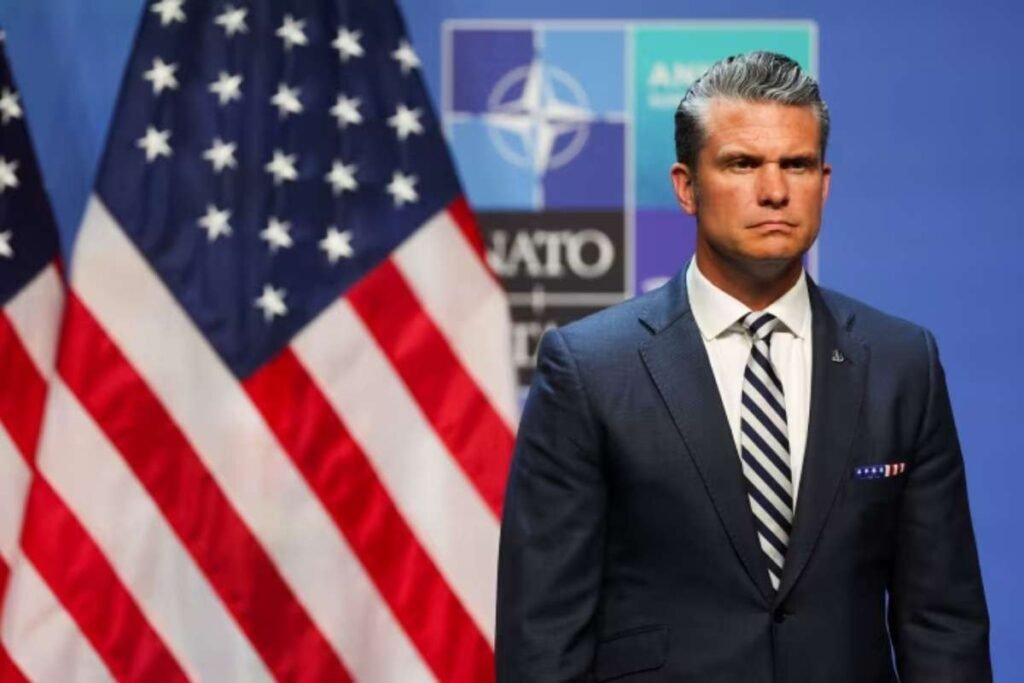
Defense Secretary Pete Hegseth announced the policy, saying the screenings are designed to identify health issues that could affect the physical and mental performance of military personnel. The Pentagon has not said when the policy will take effect or what testosterone level will be considered acceptable.
“As we know, the modern battlefield is brutal and unrelenting,” Hegseth said. “It requires and demands maximum psychological and mental readiness.” He said early screening would help keep troops “on the leading edge of lethality” while providing better health support.
Any treatment recommended after the Pentagon testosterone screening process will remain voluntary, according to the Defense Department.
Doctors Say Screening May Improve Appropriate Treatment
Testosterone plays a role in energy levels, muscle development, and bone strength. Concerns about low testosterone have been raised, particularly among special operations forces, whose missions often involve intense physical demands.
The new Pentagon testosterone screening policy follows a broader rise in testosterone prescribing across the United States. According to information cited by the Defense Department, prescriptions have tripled in recent years. Some studies also suggest that as many as one-quarter of men receiving testosterone therapy were not properly tested before beginning treatment.
Dr. Josh McConkey, a veteran and emergency physician, said routine military screening could encourage more evidence-based use of testosterone therapy.
“I do think at times it gets overdiagnosed,” McConkey said. “And I think the military just doing the general screening will do a much better job of actually making sure it’s appropriate.”
He added that some people currently receiving testosterone medication may not need it and said standardized screening could improve clinical decision-making.
Veterans Voice Mixed Reactions as Questions Remain
Not all veterans support the Pentagon testosterone screening requirement. Some veterans interviewed in Fayetteville opposed the policy, arguing that testosterone levels do not determine whether service members are capable of performing their duties or maintaining military readiness.
The Defense Department has not released details about how the screening results will be evaluated or whether low testosterone levels could affect deployment status, assignments, or other aspects of military service.
The announcement leaves unanswered questions about the medical standards that will be applied and how the screenings will be incorporated into existing health assessments. Pentagon officials have said only that the goal is to identify potential health concerns early while allowing service members to decide whether to pursue treatment if low testosterone is detected.
The policy marks the latest effort by the Defense Department to expand preventive health monitoring through Pentagon testosterone screening as it seeks to maintain force readiness through routine medical evaluations.
Visit Healthcare 360 Magazine For The Most Recent Information.