Key Takeaway:
- Major Rugby issued a nationwide Levothyroxine tablets recall after 12 levothyroxine products were found to be subpotent.
- Patients should return affected medication and consult their health care provider before making any treatment changes.
- The company says serious adverse health effects are unlikely, but the FDA is monitoring the recall.
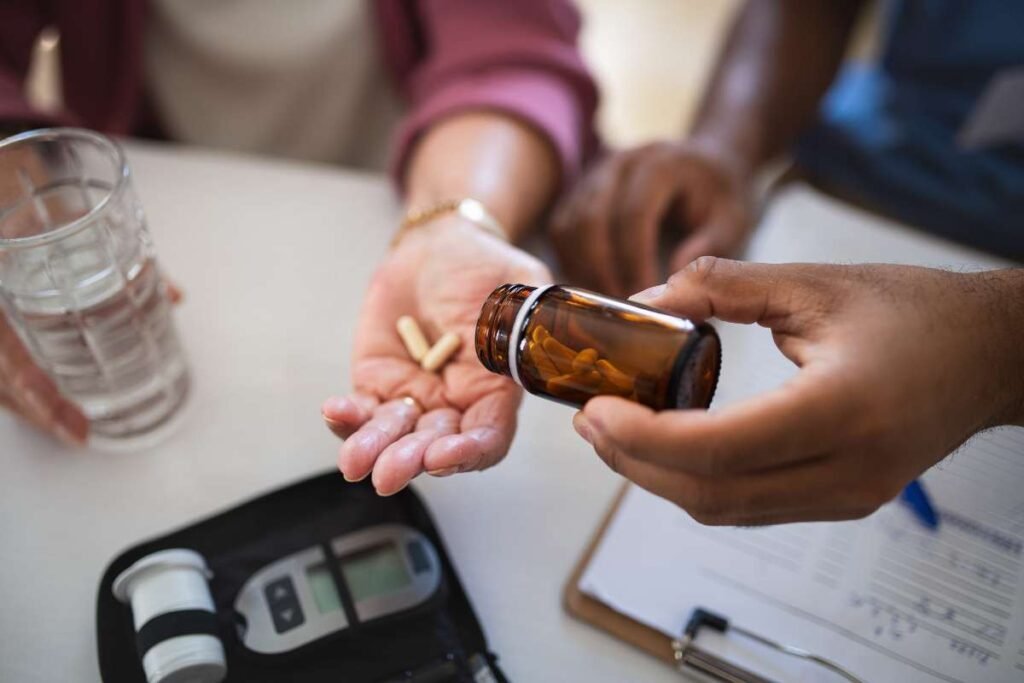
Major Rugby has announced a nationwide Levothyroxine tablets recall involving 12 prescription levothyroxine sodium tablet products distributed nationwide after the medication was found to be subpotent, prompting customers to return affected packages while health officials say serious adverse effects are unlikely.
Major Rugby Recalls Thyroid Medication After Potency Issue
Major Rugby, a pharmaceutical manufacturer, has issued a nationwide recall of 12 levothyroxine sodium tablet products sold under the Major and Cardinal brand names. The company notified retailers earlier this month after identifying that certain lots contain tablets that deliver less medication than labeled.
The recalled prescription drug is commonly used to treat hypothyroidism, enlarged thyroid glands, and certain forms of thyroid cancer. According to the manufacturer, the affected products have been distributed across the United States since January 2025.
In its recall letter to retailers, Major Rugby said taking the recalled medication “is not likely to cause adverse health effects.” However, the company advised patients to stop using the affected products and return them to the place of purchase.
FDA Report Identifies Tablets as Subpotent
The Levothyroxine tablets recall follows findings cited by the Food and Drug Administration that the affected tablets are “subpotent,” meaning they contain less active ingredient than required. Reduced potency may affect treatment effectiveness for patients who rely on consistent thyroid hormone replacement.
Major Rugby urged consumers to review their medication packaging carefully and determine whether it matches one of the recalled lots. The company also advised patients to contact their physician or other health care provider if they discover recalled medication in their possession.
Health experts generally recommend that patients taking thyroid medication avoid stopping treatment without medical guidance because dosage changes can affect hormone levels. Consumers are encouraged to seek medical advice before switching or discontinuing therapy.
Consumers Urged To Check Lot Numbers and Return Affected Products
The Levothyroxine tablets recall covers both 100-tablet blister packages and 10-tablet unit-dose blister cartons in multiple strengths. Affected dosages include 25 mcg, 50 mcg, 75 mcg, 88 mcg, 112 mcg, 125 mcg, and 150 mcg tablets.
Among the recalled products are:
- 25 mcg: Lot N02212, expiration July 2026.
- 50 mcg: Lot N02200, expiration October 2026.
- 75 mcg: Lots N02172, N02296 and N02288, expirations July and December 2026.
- 88 mcg: Lot N02310, expiration January 2027.
- 112 mcg: Lot N02203, expiration September 2026.
- 125 mcg: Lot N02266, expiration November 2026.
- 150 mcg: Lot N02167, expiration July 2026.
The recall also includes corresponding 10-tablet blister packages with matching bag and blister lot numbers for the 25 mcg, 50 mcg, 125 mcg and 150 mcg strengths.
The Mayo Clinic says levothyroxine replaces or supplements thyroid hormone and is a standard treatment for hypothyroidism and other thyroid-related conditions. Maintaining the correct dosage is considered essential for effective treatment.
Patients who believe they have affected medication should compare the lot number and expiration date on their package with the recall notice, return qualifying products to the pharmacy or retailer where they were purchased, and consult their health care provider about replacement medication if necessary.
The FDA continues to monitor the Levothyroxine tablets recall, while Major Rugby said it is working with retailers to remove the affected products from distribution.
Visit more of our news! Healthcare 360 Magazine