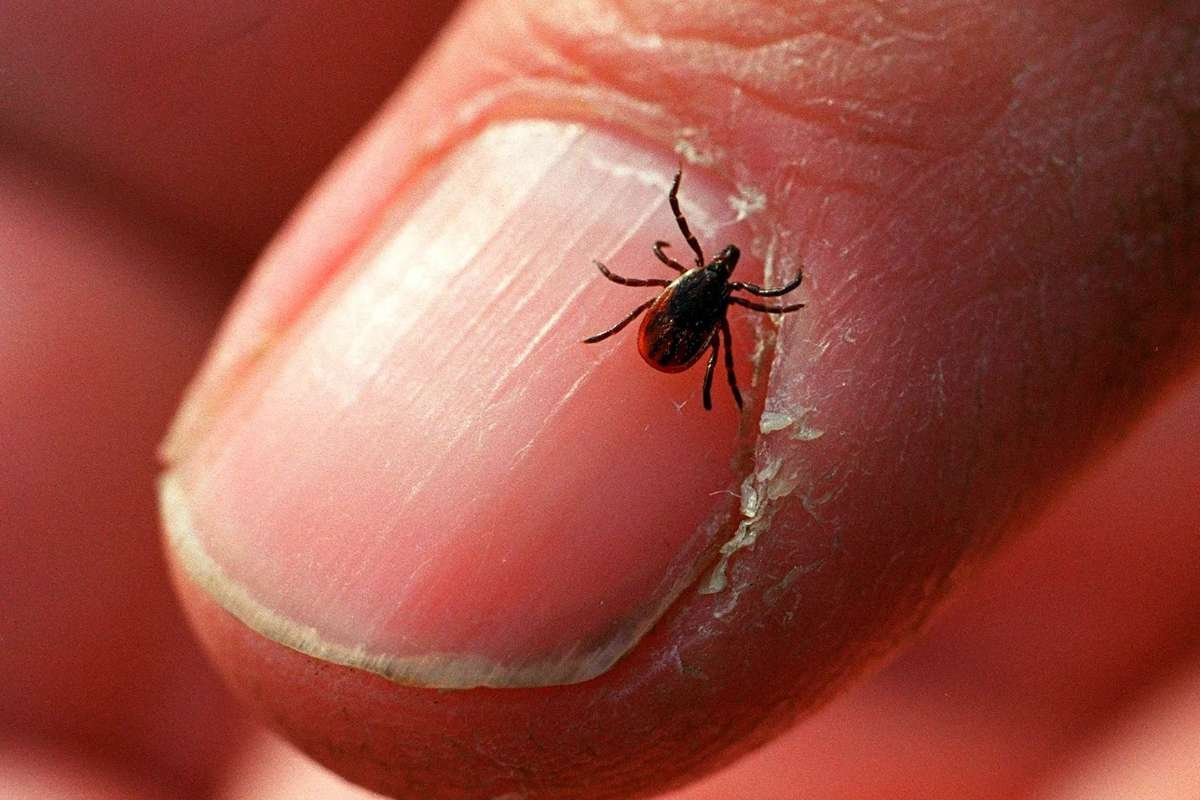
Key Takeaway:
- Lyme-carrying ticks are expanding south, with nearly 40% of adult blacklegged ticks in a North Carolina study testing positive.
- New tick-borne bacteria are emerging, including bacteria linked to anaplasmosis and hard tick relapsing fever.
- Doctors need greater awareness, as changing tick ranges can lead to missed or delayed diagnoses.
New research finds Lyme-carrying ticks established in western North Carolina, prompting doctors to recognize tick-borne diseases beyond their traditional range as infections spread.
Researchers Find High Lyme Risk In Biltmore Forest
Researchers from the University of North Carolina and other institutions collected 373 ticks from 22 household lawns in Biltmore Forest between November 2024 and August 2025. About 77% were blacklegged, or deer, ticks, which can transmit the bacterium that causes Lyme disease.
Nearly 40% of adult blacklegged ticks tested positive for Borrelia burgdorferi, the bacterium responsible for Lyme disease. Researchers said that the infection rate is comparable to levels found in parts of the Northeast where Lyme disease is well established.
The study also detected Anaplasma phagocytophilum and Borrelia miyamotoi in North Carolina ticks for the first time. Both bacteria can cause flu-like illness, while B. miyamotoi causes hard tick relapsing fever.
“It was always thought that Rocky Mountain spotted fever … was our major tick-borne disease,” said Dr. Ross Boyce, a UNC School of Medicine researcher and study author.
Boyce said the findings provide strong evidence that Lyme disease should be considered a major health threat farther south as Lyme-carrying ticks become established.
Patients Face Delayed Diagnoses As Ticks Spread
The findings mirror the experience of Biltmore Forest resident Angela Newman, who spent five years seeking an explanation for symptoms including blurry vision, a stiff neck, numbness and weakness.
Doctors initially attributed her symptoms to anxiety or depression, she said. After a friend suggested Lyme disease, Newman requested testing despite her doctor’s doubts.
The test was positive. She began improving within days of receiving antibiotics and said it took nearly a year to regain her normal energy.
“I knew I wasn’t crazy,” Newman said. “It’s frustrating to have people basically say, ‘I think you need antidepressants.’”
The CDC says Lyme disease remains concentrated in the Northeast and Upper Midwest but notes that infected ticks are expanding geographically. The agency estimates about 476,000 people are diagnosed with Lyme disease each year in the United States.
Doctors Urged To Recognize Changing Risks
Mark Soloski, senior adviser of the Lyme Disease Research Center at Johns Hopkins Medicine, said physicians in regions with newly established tick populations need to account for the changing risk from Lyme-carrying ticks.
“Physicians and healthcare workers, especially in that region, need to be very mindful and aware that ticks infected with this bacteria have moved in,” said Soloski, who was not involved in the research.
Lars Eisen, a research epidemiologist at the CDC, said communities face increasing risks as infected ticks expand geographically and people need to understand the changing threat from Lyme-carrying ticks.
Warmer winters may help ticks and the animals they feed on move into new areas. North Carolina health officials reported more than 1,100 tick- and mosquito-borne illnesses in 2025 and list Lyme disease among the state’s reported tick-borne diseases.
For Newman and local officials, the research confirms a threat that residents had already begun to see. Biltmore Forest Town Manager Jonathan Kanipe said public works employees regularly find ticks, sometimes even in grassy areas away from woods.
“The niches that these ticks can find that allow them to flourish,” Soloski said, “are only increasing.”
Visit more of our blogs! Healthcare 360 Magazine