Key Takeaway:
- Louisiana Surgeon General Griffin promotes prevention and wellness while aiming to reshape Louisiana’s public health approach.
- She challenges vaccine mandates and aligns with Robert F. Kennedy Jr.’s MAHA movement.
- Critics warn of public health risks, while Griffin’s proposed vaccine and health-policy changes face legislative setbacks.
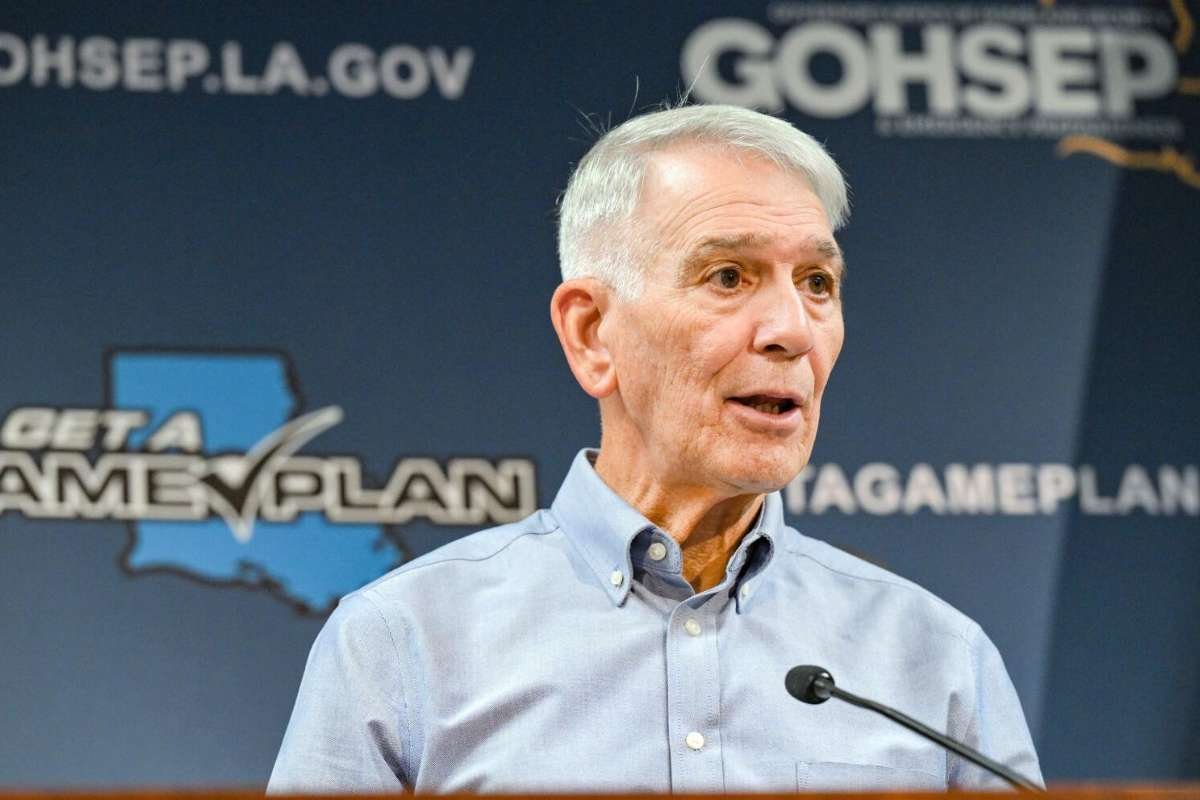
Dr. Evelyn Griffin, Louisiana Surgeon General, is promoting prevention and wellness while challenging vaccine mandates and public health powers, aligning her agenda with Health Secretary Robert F. Kennedy Jr.’s MAHA movement.
Griffin Promotes Wellness And Prevention
Griffin, a 49-year-old obstetrician with no specialty training in infectious disease or public health, became Louisiana’s surgeon general in December after Gov. Jeff Landry appointed her to the post.
As Louisiana Surgeon General, Griffin has called for “dramatic transformational change,” with a focus on women’s health, rural health and the causes of chronic disease. In a statement, Griffin said her goal is to shift the health care system toward “preventing disease, not just managing or treating it.”
Her approach reflects a growing emphasis on nutrition, lifestyle and alternative health practices. Before her appointment, Griffin pursued training in functional medicine and hosted wellness events featuring topics including gardening, naturopathic medicine and doulas.
Griffin’s career changed during the COVID-19 pandemic. She publicly questioned masking, vaccines, and government mandates and eventually left Ochsner Health, Louisiana’s largest health system, after saying she was rebuffed when she sought to share research on treatments she described as outside mainstream science.
Vaccine Views Shape Her Public Role
The Louisiana Surgeon General gained national attention after opposing a 2021 proposal to add COVID-19 vaccines to Louisiana’s school immunization schedule. She has since testified in support of measures that would restrict vaccine requirements and government health mandates.
In 2025, Kennedy appointed Griffin to the federal advisory panel on immunization policy. She voted to recommend limiting access to COVID-19 vaccines and ending universal newborn hepatitis B immunization. Federal courts have blocked those recommendations from taking effect.
Griffin has also questioned whether vaccines are linked to autism, a claim not supported by established scientific evidence. She has declined to say whether any vaccines should be required for schoolchildren.
“She has expressed the views she has, who’s now in a public policy position, is very dangerous,” said Dr. Georges C. Benjamin, chief executive of the American Public Health Association.
Dr. Kirk Milhoan, chairman of the federal vaccine panel, defended Griffin as an “excellent choice” for surgeon general and said people should not fear her efforts to improve Louisiana’s health.
Critics Warn Of Public Health Risks
Louisiana faces some of the nation’s poorest health outcomes, giving Griffin a broad platform to influence lawmakers, health officials and residents. However, several measures she supported this year failed to advance in the Republican-controlled Legislature.
One proposal would have limited government authority to require vaccines, testing or masks during a future outbreak. Another would have imposed additional vaccine-consent requirements. Griffin also proposed giving her office broad access to medical records, but the measure did not advance.
Public health experts say weakening government authority could make future outbreaks harder to control and increase risks for vulnerable residents.
Dr. Paul A. Offit, director of the Vaccine Education Center at Children’s Hospital of Philadelphia, said public health requires people to consider their responsibilities to others.
The Louisiana Surgeon General has also drawn criticism for associations with alternative-health figures who promote claims rejected by mainstream medicine. She said she does not necessarily share every perspective presented at her wellness events.
Despite those controversies, Griffin is seeking closer ties with Louisiana’s medical community while building a staff that includes physicians aligned with wellness and vaccine-skeptical movements. Her influence could depend on whether she can turn her prevention-focused vision into policy in a state where the health secretary and Legislature retain significant authority.
Visit Healthcare 360 Magazine to read more.