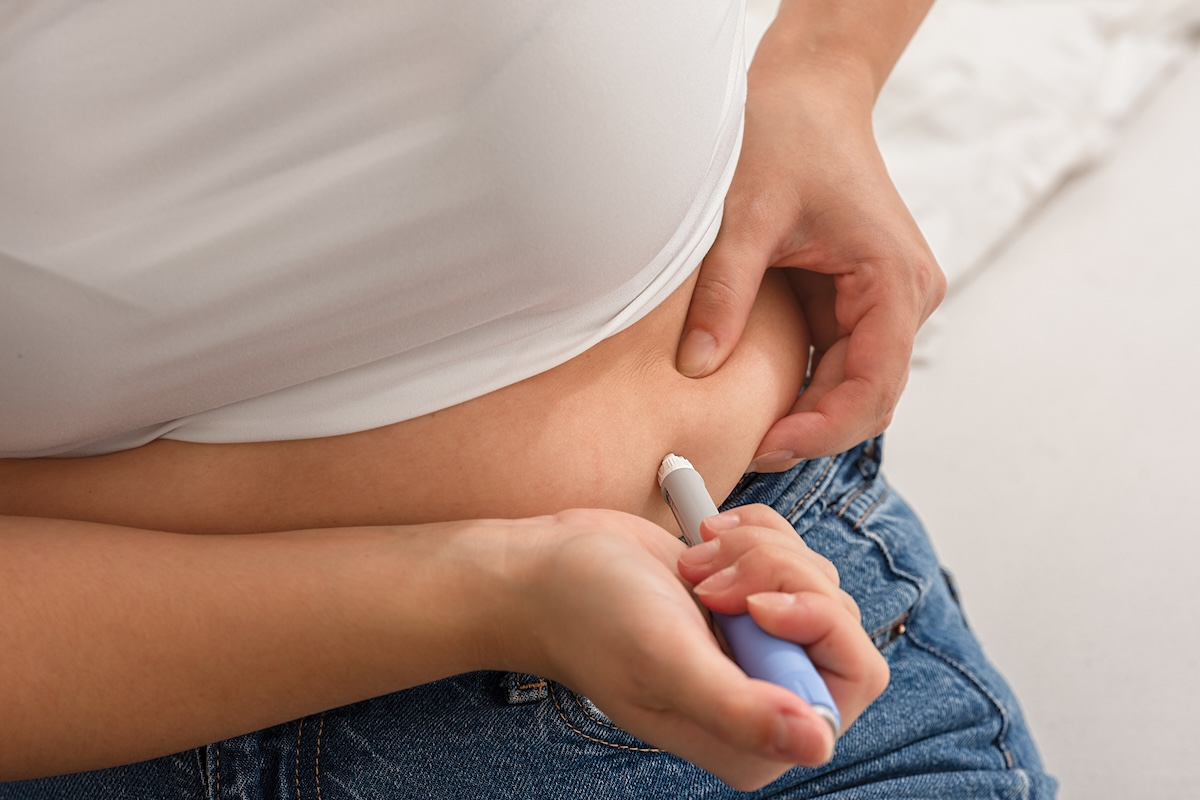
If you’re constipated from Zepbound, you’re not alone. Constipation doesn’t automatically mean you have to stop taking the medication. Gastrointestinal side effects such as constipation are common with Zepbound (tirzepatide) and are dose-dependent. FDA prescribing information said constipation was reported in 17% of patients on 5 mg, 14% on 10 mg, and 11% on 15 mg in pooled weight-management trials versus 5% on placebo.
This guide explains why Zepbound constipation happens, what evidence-based ways to relieve it are, what factors may make symptoms worse, how long it usually lasts, and red flags that should prompt medical attention.
Zepbound Constipation: Is It Normal?
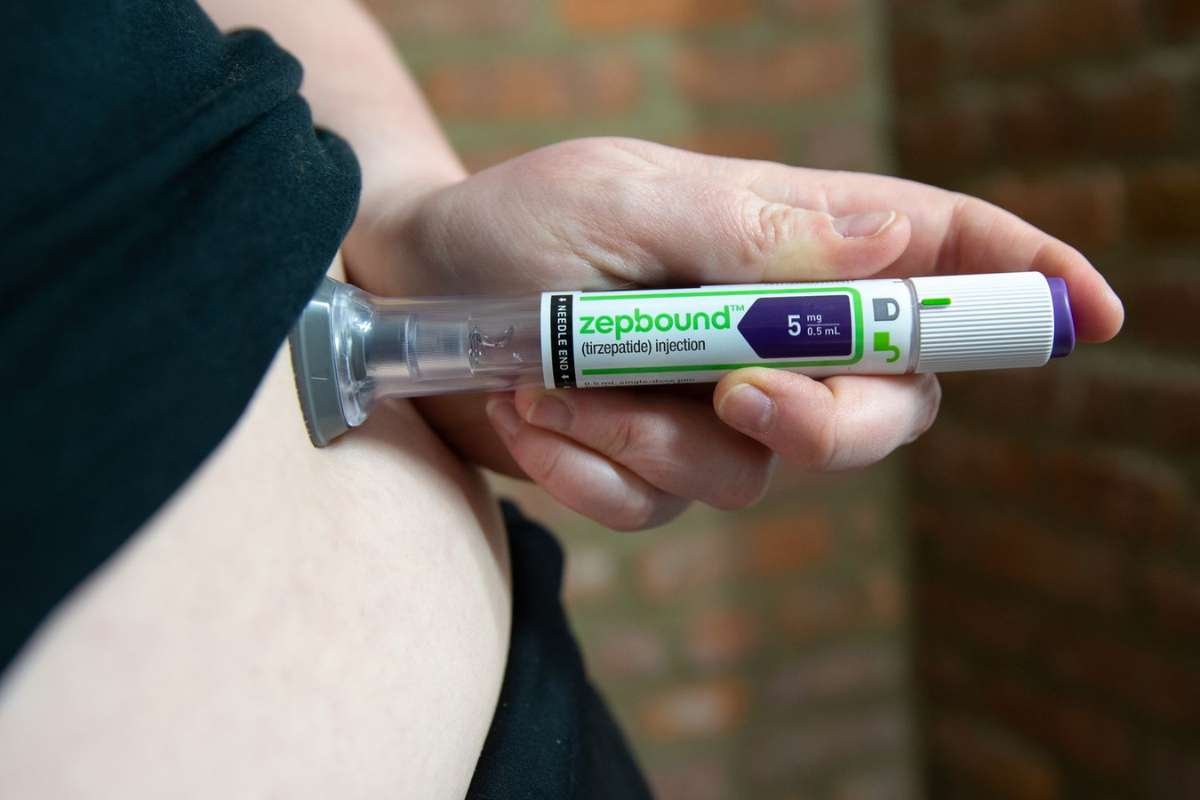
Yes, constipation is a recognized side effect of Zepbound (tirzepatide). It is considered a common gastrointestinal reaction in clinical trials and is listed in the FDA-approved prescribing information.
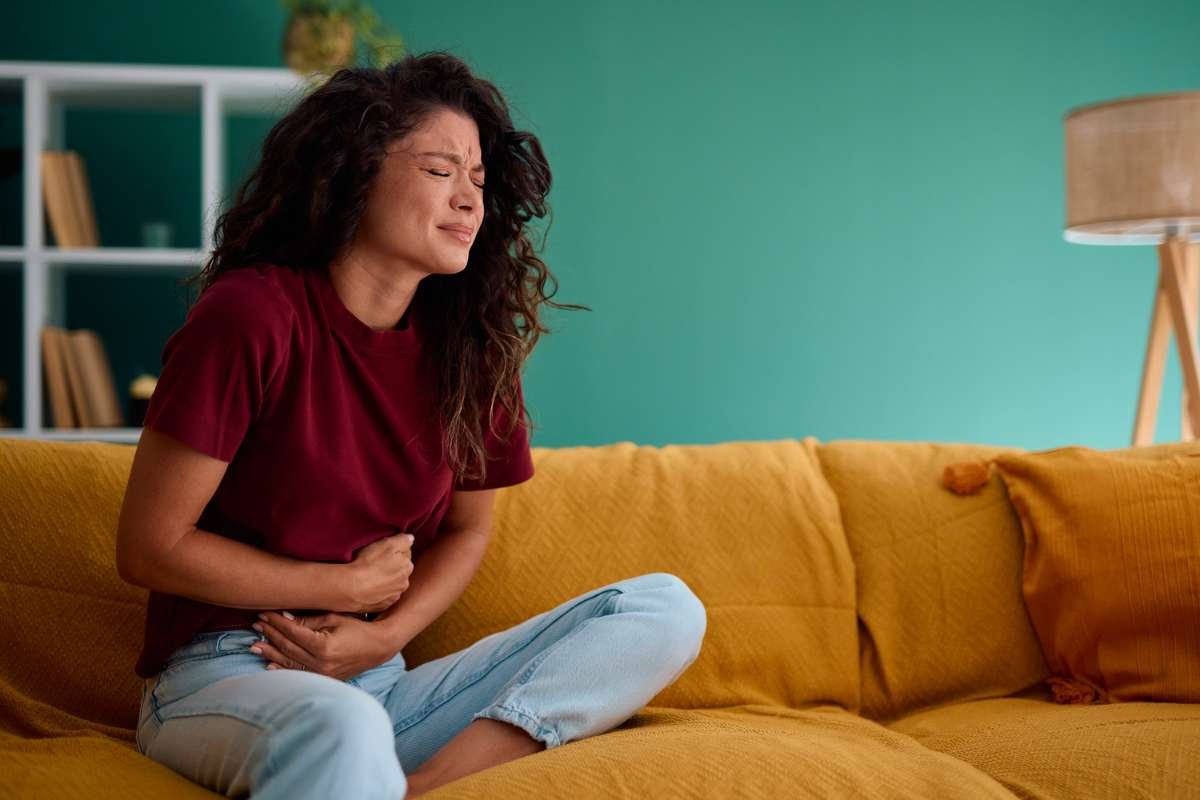
Constipation on Zepbound can include having fewer bowel movements than usual, stools that are hard or lumpy, straining to pass stools, or feeling like you have not completely passed all your stools. Temporary changes in bowel habits (such as from daily to every other day, with no discomfort) may be normal. But hard stools, straining, and a feeling of incomplete evacuation are more suggestive of constipation that may need treatment.
According to FDA clinical-trial data, constipation is reported in 17% of patients with 5 mg, 14% with 10 mg, and 11% with 15 mg in pooled weight-management trials compared with 5% with placebo. There is no clear, consistent increase in constipation with increasing dose in these numbers. Individual experience may vary depending on diet, hydration, activity level, and other medications.
What your symptoms may mean:
| What you notice | What it may suggest |
| Harder stools after starting Zepbound | Possible medication-related constipation |
| Fewer bowel movements but no discomfort | May be a change in bowel frequency |
| Straining + hard stools | More consistent with constipation |
| Severe pain, vomiting, or inability to pass stool/gas | Needs prompt medical evaluation |
Why Does Zepbound Cause Constipation?
Zepbound (tirzepatide) is a dual GIP/GLP-1 receptor agonist. These receptors are part of the body’s natural system for regulating appetite and blood sugar. When activated, they signal the brain to reduce hunger and slow the movement of food through the digestive tract. This intended digestive effect helps people eat less and feel full longer. This supports weight loss.
The downstream result can be constipation. Slower intestinal transit gives the colon more time to remove water from stool. This makes it harder and more difficult to pass. Reduced appetite can indirectly contribute if someone eats and drinks less than usual, lowering fiber and fluid intake that normally keep stools soft and moving.
Other factors can compound Zepbound constipation, including:
- A sudden dietary change (for example, cutting back on fruits, vegetables, or whole grains)
- Low fiber intake or inadequate daily fluids
- Reduced physical activity, which can slow gut motility
- Other constipation-causing medications or supplements (such as iron, calcium, some pain relievers, or antacids)
The drug’s intended effect is to slow digestion to curb appetite. But it has a side effect of harder, less frequent stools. Not everyone gets it, and it’s different for different people. Current FDA clinical-trial data show constipation in 17% of patients on 5 mg, 14% on 10 mg, and 11% on 15 mg, compared with 5% on placebo; not a single “15-30%” rate or universal “30-50%” slowing of gastric emptying.
This is why lifestyle measures like more fiber, fluids, and movement frequently improve Zepbound Constipation without the need to stop the medication.
What Can Help Zepbound Constipation?

Start with simple, low-risk steps and build up only if needed.
1. Check your fluid intake.
Adequate fluids help fiber work properly and keep stools soft. When you increase fiber without enough water, stools can become harder and bloating may worsen. Needs vary by health conditions, activity level, and climate, so there is no single “right” amount for everyone.
2. Increase fiber gradually
Focus on fruits, vegetables, legumes, whole grains, and other fiber-rich foods. More fiber is not always better immediately; raise intake slowly over several days to reduce gas and discomfort.
3. Keep moving
Regular daily movement, such as walking, light exercise, or a short walk after meals. This can stimulate gut motility and make bowel movements easier.
4. Establish a bowel routine.
Respond to the urge to go, allow enough unhurried time, and try a consistent routine (for example, after breakfast or dinner) to train your body.
5. Ask a pharmacist or clinician about OTC options.
If lifestyle steps are not enough, discuss over-the-counter choices. Major categories include:
- Osmotic laxatives (draw water into the colon)
- Stool softeners (moisten stool)
- Stimulant laxatives (trigger intestinal contractions)
- Fiber supplements (add bulk)
The best option depends on your symptoms, other medications, and health history; no single product is right for every Zepbound user.
Mini decision path
Mild constipation → lifestyle measures (fluids, fiber, movement, routine) → reassess in a few days → persistent symptoms → pharmacist/clinician for OTC plan → severe or red-flag symptoms (severe pain, vomiting, inability to pass stool/gas) → prompt medical care.
These steps can meaningfully reduce Zepbound Constipation for many people without stopping treatment.
How Long Does Constipation from Zepbound Last?
There is no one reliable schedule that applies to all. Some people get constipation early in treatment or around the time of dose changes, and others may never get it. Gastrointestinal side effects can improve with time as the body adjusts to it, but that does not occur for everyone. Some people may still experience constipation while taking Zepbound.
Most of the nausea, vomiting, and diarrhea events occurred during dose escalation and lessened over time, the FDA labeling notes, but it does not say that constipation follows the same pattern. Constipation rates in the trials were dose-dependent and weren’t the same for everyone, so there’s no specific number of days or weeks to support.
Improving vs. persistent constipation
- Improving: Continue appropriate self-care (fluids, fiber, movement, bowel routine) and monitor.
- Persistent, worsening, or recurrent: Discuss with a healthcare professional to review diet, medications, and possible OTC options.
- Severe or with warning signs (severe abdominal pain, vomiting, and inability to pass stool or gas): seek prompt medical evaluation.
This approach avoids overly specific timelines (such as “4–8 weeks”) that may not match your experience and focuses on what your symptoms suggest about next steps for Zepbound Constipation.
When Should You Call Your Doctor?

Most cases of Zepbound Constipation are mild and improve with fluids, fiber, movement, and over-the-counter remedies. However, some situations need medical input to keep you safe and on track with treatment.
Contact a healthcare professional if:
- Constipation persists despite reasonable self-care (for example, several days of adequate fluids, fiber, and activity)
- Symptoms are worsening over time
- Constipation repeatedly interferes with daily life or causes significant discomfort
- You are concerned about dehydration (dizziness, very dark urine, or minimal urination)
- You are taking other medications that may contribute to constipation (such as iron, calcium, some pain relievers, or antacids)
Seek urgent medical evaluation for concerning symptoms such as:
- Severe or persistent abdominal pain
- Significant abdominal swelling or bloating
- Repeated vomiting or inability to keep fluids down
- Inability to pass stool or gas
- Blood in the stool or black/tarry stool
- Other symptoms that suggest a more serious gastrointestinal problem (for example, fever, unexplained weight loss, or severe nausea with constipation)
The distinction matters: uncomplicated constipation can often be managed conservatively at home, whereas severe abdominal symptoms or an inability to pass stool or gas may indicate a condition that requires prompt assessment and treatment.
Conclusion:
Zepbound constipation is a common side effect. It is usually manageable and doesn’t necessarily mean you have to stop taking the medication. Most people do better with consistent fluids, slow fiber additions, daily movement, and a simple bowel routine. This includes adding over-the-counter options only as needed.
Keep track of your symptoms: Small, stable changes may respond to self-care, but worsening or severe symptoms should be evaluated by a doctor. Call your healthcare professional if constipation continues despite reasonable measures, interferes with daily life, or is associated with red-flag signs such as severe pain, vomiting, or inability to pass stool or gas.
Maintain a diary of your bowel movements, modify lifestyle factors, and collaborate with your clinician to develop a plan to keep you comfortable and on track to lose weight.
Visit more of our blogs! Healthcare 360 Magazine
FAQ:
1. How to relieve constipation while on Zepbound?
To relieve constipation while taking Zepbound, increase your water intake to at least 80–100 ounces daily, gradually add fiber-rich foods or a supplement like Metamucil, and take an osmotic laxative such as MiraLAX or a magnesium supplement if lifestyle adjustments are not enough.
2. How long does constipation last on Zepbound?
Constipation from Zepbound typically lasts a few weeks when starting a new dose or increasing your strength. For most people, it improves within 4 to 8 weeks as the body adjusts, or stabilizes once you reach a consistent maintenance dose.
3. Why is Zepbound so constipating?
Zepbound (tirzepatide) causes constipation because it mimics natural hormones (GLP-1 and GIP) that significantly slow down how fast food moves through your stomach and intestines.
4. How do you get rid of constipation on GLP-1?
To relieve GLP-1-related constipation, drink 64 to 80 ounces of water daily, gradually increase your soluble fiber intake to 25–30 grams per day, and walk for 20–30 minutes after meals.
5. What is the best laxative for GLP-1 constipation?
For GLP-1 constipation (caused by slowed stomach and gut emptying), polyethylene glycol 3350 (like MiraLAX) is the best first-line laxative.