Key Takeaway:
- Maternal vaccination against RSV can significantly reduce newborn hospitalizations by transferring protective antibodies before birth.
- Up to four vaccines may be recommended during pregnancy: RSV, flu, COVID-19, and pertussis.
- Researchers are testing maternal GBS vaccines to help prevent serious infections in newborns.
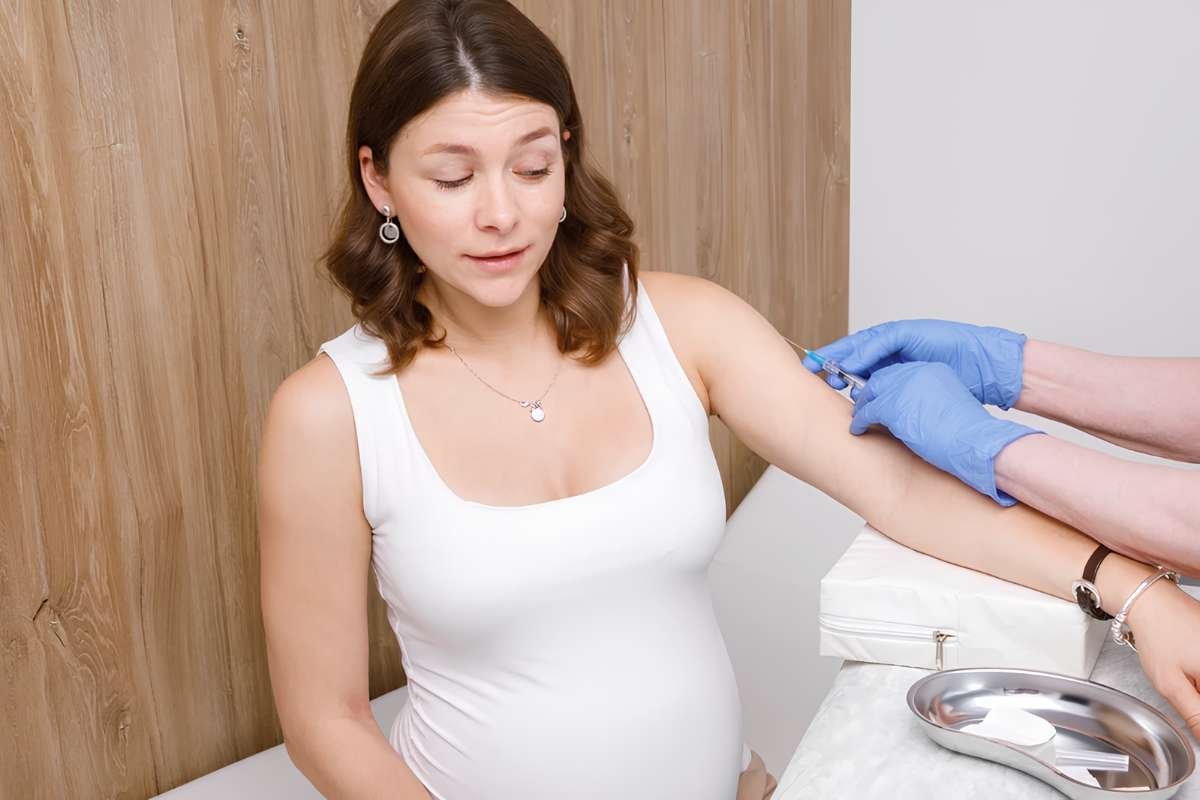
Vaccination during pregnancy can help protect newborns from RSV and other infections by transferring maternal antibodies across the placenta before birth.
RSV Vaccination Cuts Infant Hospitalizations
Maternal vaccination has emerged as an important way to protect infants during their first vulnerable months, particularly against respiratory syncytial virus, or RSV.
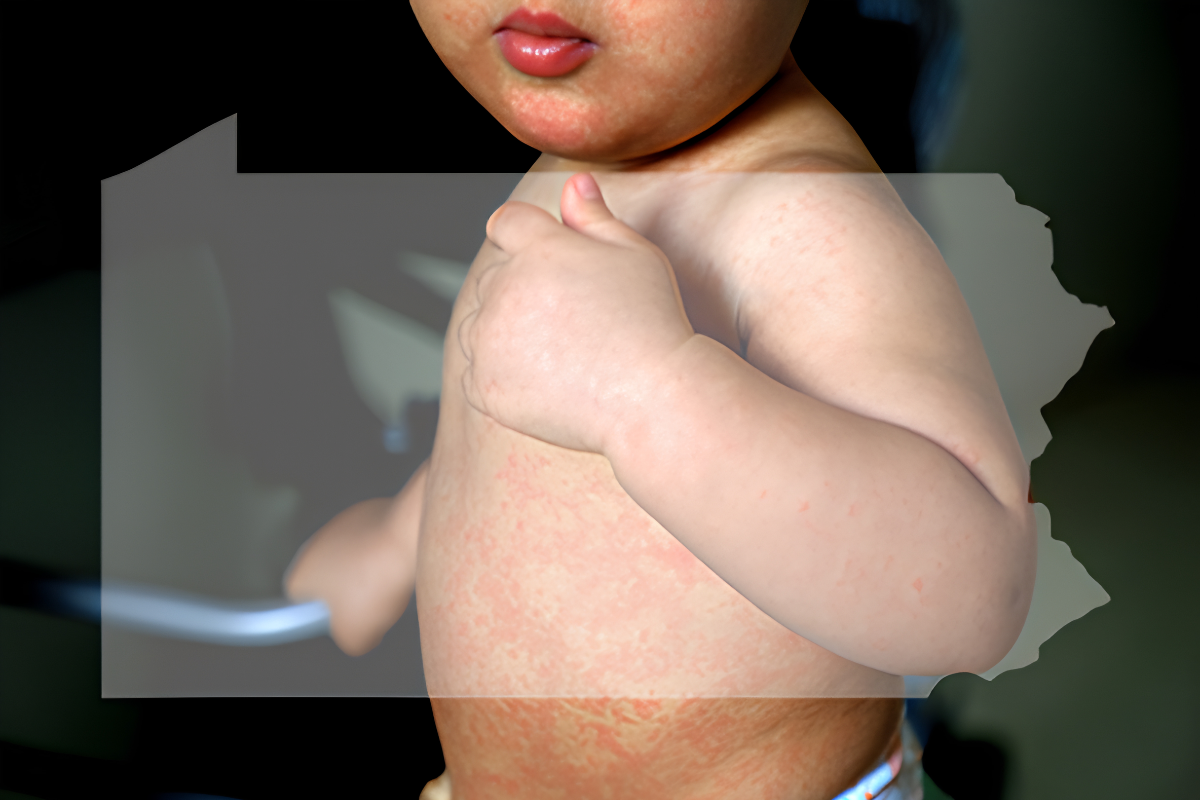
RSV is a common respiratory infection and a leading cause of hospitalization among young infants. Researchers studying maternal RSV vaccination found that immunizing pregnant women could transfer protective antibodies to their babies before birth.
In the first U.S. respiratory season after an RSV vaccine for pregnant women was approved, hospitalizations among newborns fell by approximately 30% to 40%, according to the story provided.
A 2026 study published in JAMA Network Open found an almost 70% reduction in infant hospitalizations among pregnant women who received an RSV vaccine.
“Antibodies from the mother cross the placenta and protect against RSV during those critical first few months of protection,” the article states.
Infants can also be protected with two available monoclonal antibodies, giving families and clinicians more than one option for preventing severe RSV.
Four Vaccines May Protect Newborns
The American College of Obstetricians and Gynecologists has updated its clinical recommendations for Maternal Vaccination, with the guidance endorsed by the National Foundation for Infectious Diseases and other organizations.
Depending on individual circumstances, up to four vaccines may be recommended during pregnancy: RSV, influenza, COVID-19, and pertussis, also known as whooping cough.
The vaccines can help reduce infections and related hospitalizations among newborns and other vulnerable family members. Health care professionals can help determine which vaccinations are appropriate during pregnancy based on timing, medical history, and current recommendations.
“Talk with your obstetrician, midwife, family doctor, or other healthcare professional about which vaccines your family may need,” the article advises.
Maternal vaccination works in part by giving babies temporary protection before their own immune systems and vaccination schedules can provide broader protection.
GBS Vaccine Moves Into Clinical Trials
Researchers are also studying whether maternal vaccination can protect newborns against group B Streptococcus, or GBS.
An early-stage clinical trial led by Shabir A. Madhi, MMed, PhD, and colleagues examined a vaccine designed to prevent GBS infection. Madhi is scheduled to receive the 2026 Maxwell Finland Award for Scientific Achievement on Oct. 20.
GBS rarely causes illness in adults but can cause serious infections in newborns, including sepsis, pneumonia, and meningitis. The condition affects approximately 1 in 2,000 to 3,000 newborns, according to the story provided.
August is National Immunization Awareness Month, highlighting vaccination as a tool for preventing serious infections. Health professionals recommend that pregnant people discuss Maternal Vaccination with their care teams before the fall and winter respiratory season and throughout the year.
Visit Healthcare 360 Magazine For The Most Recent Information.