A few ways to reduce bloating include eating slowly, avoiding excess carbonation and swallowing air, moving around after meals, avoiding constipation, and determining food triggers. Keep in mind the fact that not all instances of a bloated abdomen are caused by excess gas. Rather, bloating can be seen as a symptom that can arise from constipation, food intolerances, excessive eating, digestive illnesses, fluid retention, or hormonal shifts. As the Mayo Clinic explains, drinks with carbonation, lactose, fructose, polyols, and some gastrointestinal diseases can be the cause. Cleveland Clinic explains that hormonal changes can also contribute to this process.
In this article, we will understand a few common remedies. Along with getting an overview of the causes and methods to prevent bloating from returning.
Table of Contents
Ways to Reduce Bloating: What to Try First

If you feel bloated right now, start with simple, low-risk steps rather than adding multiple supplements or restrictive rules. Take a gentle 10-minute walk after eating, or aim for about 1,000 steps. UCLA Health cites research suggesting that light activity after meals can reduce gas and bloating, possibly by helping move food and trapped gas through the digestive tract.
For the moment, stop carbonated drinks and avoid another large meal until your symptoms settle. At your next meal, eat slowly, chew thoroughly, and avoid chewing gum, sucking hard candies, smoking, or talking continuously while eating. Avoid habits that can increase swallowed air. Notice what happened before the episode: record the meal, portion size, eating speed, beverages, bowel movements, stress, and menstrual-cycle timing. A brief symptom diary can reveal patterns without encouraging unnecessary food avoidance.
If constipation may be contributing, focus on restoring regular bowel movements instead of immediately taking random “detox” products or laxatives. Drink adequate fluids, stay physically active, and increase fiber gradually if your diet is low in it. You can add fiber little by little because a sudden increase can worsen gas. People with constipation should also drink enough liquids to help fiber work effectively.
Don’t do this immediately.
- Dramatically increase fiber overnight.
- Eliminate dozens of foods based on one uncomfortable episode.
- Assume you have a food intolerance without a consistent pattern or professional assessment.
- Rely on unproven detox teas, cleanses, or supplements.
These are some simple ways to reduce bloating from overeating, swallowed air, constipation, or food triggers without requiring immediate, severe dietary restrictions. See a doctor if bloating is severe, persistent, or accompanied by unexplained weight loss, blood in the stool, vomiting, or severe changes in bowel habits.
Also Read: 7 Yoga Poses to Help Promote Digestion (Plus a Simple Daily Routine)
Match the Strategy to What May Be Causing Your Bloating:
The most effective ways to reduce bloating depend on the pattern of your symptoms. Use this simple guide to match the clue with a sensible first step.
1. Large meals:
- Cause: Portion size or eating speed may be contributing.
- Clue: Bloating appears after overeating or eating quickly.
- Action: Try smaller meals, slow down, chew thoroughly, and pause before taking a second serving. Eating more slowly can also reduce swallowed air.
2. Constipation:
- Cause: Slower stool movement can increase gas and abdominal fullness.
- Clue: You have infrequent or hard bowel movements, strain, or feel that you have not fully emptied your bowels.
- Action: Focus on regular movement, adequate fluids, and gradual fiber increases. Avoid suddenly adding large amounts of fiber, which may temporarily worsen gas.niddk.nih+1
3. Certain foods:
- Cause: An individual food sensitivity or intolerance may be involved.
- Clue: Symptoms repeatedly follow the same food or drink, such as dairy, legumes, some fruits, wheat products, or sugar-free products containing sugar alcohols.
- Action: Keep a food-and-symptom diary, noting portions and timing. Look for a consistent pattern before removing foods; NIDDK notes that a diary can help identify possible gas-related triggers.
4. Frequent burping or air fullness:
- Cause: Swallowed air may be accumulating in the digestive tract.
- Clue: You burp often, feel inflated soon after eating, or notice symptoms while drinking quickly.
- Action: Reduce gum, straws, hard candies, carbonated drinks, and rapid eating. These habits can increase air swallowing.
5. Recurrent symptoms:
- Cause: IBS or another digestive issue may be contributing.
- Clue: Bloating keeps returning despite reasonable dietary changes, especially with abdominal pain, diarrhea, constipation, or altered bowel habits.
- Action: Discuss persistent symptoms with a healthcare professional. IBS commonly includes abdominal pain, bloating, constipation, diarrhea, or both.
6. Menstrual-cycle pattern:
- Cause: Hormonal fluctuations may contribute to bloating and water retention.
- Clue: Symptoms reliably appear before or during menstruation.
- Action: Track bloating alongside your cycle for several months. Hormonal changes during menstruation are recognized contributors to gastrointestinal symptoms.
Foods and Drinks That May Help or Worsen Bloating:
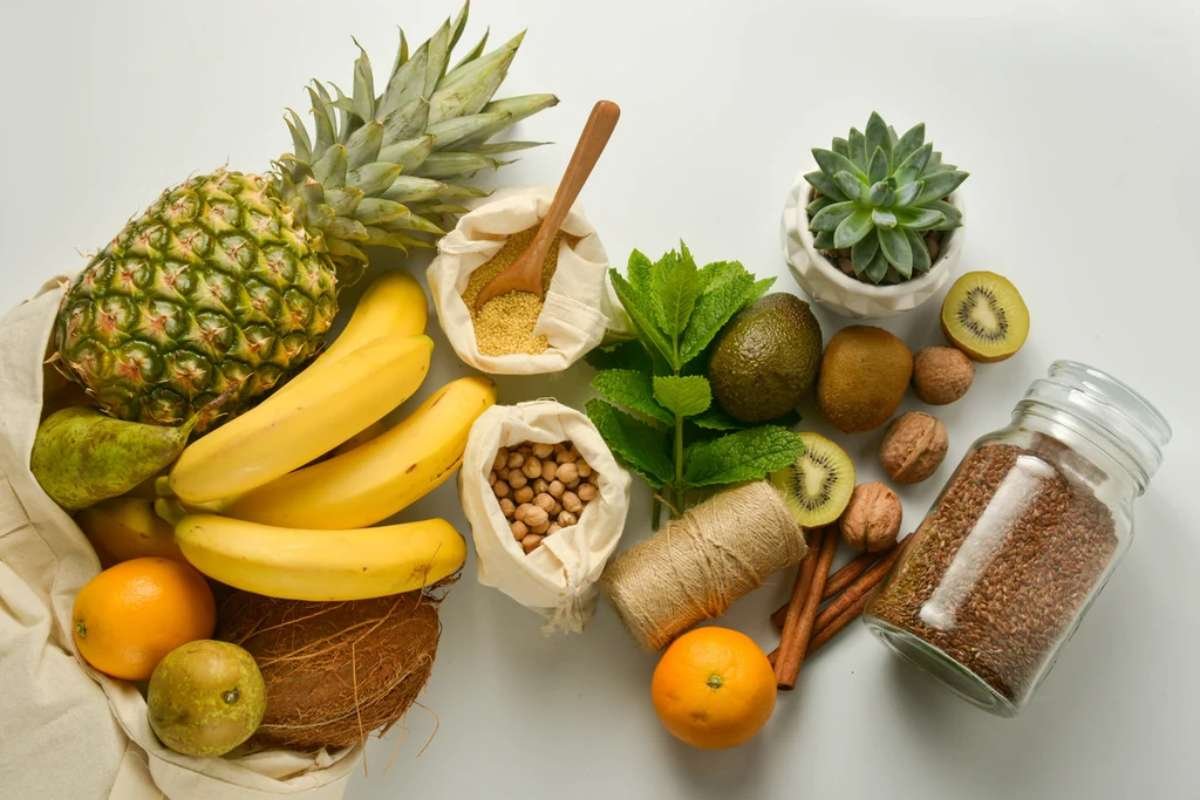
Food triggers are individual, so avoid labeling foods simply “good” or “bad.” If you are looking for ways to reduce bloating naturally, a better approach is to match what you eat with your personal symptoms and bowel habits.
Foods that may help
- Water and fluids: Adequate fluids support digestion and help fiber work effectively, particularly when constipation contributes to bloating.
- Fiber-rich foods: Oats, fruits, vegetables, legumes, and whole grains may support regular bowel movements. Increase them gradually rather than all at once.
- Soluble fiber: Oats, barley, chia seeds, and psyllium provide soluble fiber, which may be useful for stool regularity. Introduce smaller portions and monitor your response.
- Regularity-supporting foods: If constipation is present, combine fiber-containing foods with water and daily movement instead of relying immediately on supplements.
Foods and drinks that may worsen symptoms
- Carbonated beverages, which can increase swallowed gas.
- Very large or high-fat meals, which may feel difficult to digest.
- Fermentable carbohydrates, including some fruits, wheat products, onions, garlic, legumes, and cruciferous vegetables.
- Sugar alcohols such as sorbitol, mannitol, xylitol, and maltitol, often found in sugar-free gum and sweets.
- Dairy products for people who have lactose intolerance.
- Any personal trigger identified through repeated symptoms, not a single episode.
Mayo Clinic notes that fermentable carbohydrates can contribute to bloating, gas, abdominal discomfort, diarrhea, or constipation in some people. NIDDK also lists cruciferous vegetables, legumes, foods high in fructose or lactose, and “-ol” sweeteners as possible gas triggers.
Daily Habits That Can Prevent Bloating From Returning:
A consistent routine can help reduce recurring bloating without requiring a highly restrictive diet.
Eat mindfully
Eat slowly and chew thoroughly. Avoid overeating; if large meals trigger symptoms, try smaller portions. Taking at least 20 minutes per meal allows brain-satiety signaling to kick in and reduces swallowed air, which can cut bloating risks. Limit habits that increase swallowed air, such as rushing meals, chewing gum, or drinking through straws.
Move regularly
Stay physically active throughout the day. A gentle walk after meals may help move food and trapped gas through the digestive tract. Regular walking can also support bowel regularity, especially when constipation contributes to bloating.
Support hydration and fiber.
Drink enough fluids for your individual needs, particularly when increasing fiber. Add beans, fruits, vegetables, oats, and whole grains gradually rather than making a sudden jump. A rapid fiber increase can cause extra gas and abdominal discomfort, even when the foods are nutritious.
“The longer food stays stalled in the digestive tract due to low motility or constipation, the more time gut bacteria have to ferment it, producing excess gas buildup.” Dr. Kyle Staller, Gastroenterologist at Massachusetts General Hospital, Harvard Medical School
Track patterns
Keep a simple food-and-symptom diary for a few weeks. Record meals, portions, eating speed, bowel movements, stress, sleep, and menstrual-cycle timing. Look for repeated patterns instead of reacting to one isolated episode. This can help you identify personal triggers without unnecessarily eliminating entire food groups.
Manage stress gently
Stress is not the cause of all bloating, but the gut and brain communicate closely. Stress can influence digestive sensitivity, bowel movement patterns, and symptoms in conditions such as IBS. NIDDK notes that IBS symptoms are often triggered or worsened by stress. Try regular sleep, slow breathing, meditation, yoga, or another relaxing activity that you can maintain.
Together, these habits provide practical, sustainable ways to reduce bloating and may be more useful than repeatedly trying quick fixes. If symptoms remain frequent, severe, or disruptive despite these changes, consult a healthcare professional.
These are a Few Common Bloating Mistakes to Avoid:
Mistake 1: Increasing fiber too quickly.
More fiber is not automatically better for immediate relief. A sudden increase can cause additional gas and discomfort, so raise intake gradually and drink enough fluids.
Mistake 2: Eliminating too many foods.
Removing dairy, grains, legumes, fruits, and vegetables all at once can make it difficult to identify the actual trigger and may unnecessarily narrow your diet. Track foods, portions, and symptoms before making broad changes.
Mistake 3: Assuming every episode is caused by gas.
Bloating may also relate to constipation, food intolerance, digestive disorders, eating habits, or hormonal changes. Mayo Clinic describes bloating as a symptom that can occur for several reasons, not simply because of excess intestinal gas.
Mistake 4: Treating supplements as a universal solution.
Probiotics, digestive enzymes, and herbal products are not guaranteed to help everyone. Discuss regular supplement use with a healthcare professional, especially if symptoms persist.
Mistake 5: Ignoring recurring symptoms.
Repeated bloating that does not improve with reasonable lifestyle changes deserves evaluation. Seek medical advice sooner if it occurs with vomiting, bleeding, unexplained weight loss, severe pain, or major bowel changes.
The most useful ways to reduce bloating begin with identifying the pattern rather than reacting to every episode with a new restriction or product.
When Bloating Needs Medical Attention?

Occasional bloating often improves with simple changes. But persistent or repeatedly returning symptoms should not be ignored. Arrange an appointment with a healthcare professional if bloating is severe, worsening, or continues despite reasonable dietary and lifestyle adjustments.
Seek medical evaluation if bloating occurs with:
- Significant or ongoing abdominal pain.
- Repeated vomiting.
- Blood in the stool or black, tarry stools.
- Unexplained weight loss or loss of appetite.
- Persistent diarrhea, constipation, or a major change in bowel habits.
- Feeling unusually full after eating only a small amount.
- Symptoms that interfere with eating, sleeping, work, or daily activities.
Seek prompt medical evaluation if your digestive symptoms include severe or persistent abdominal pain, unexplained weight loss, reduced appetite, recurring vomiting, rectal bleeding, or feeling full quickly after small meals. Immediate emergency care is required if you experience severe pain, vomit blood, feel faint, or notice signs of heavy bleeding.
Before starting new supplements or self-diagnosing an intolerance, consult a clinician who can review your symptoms, diet, medications, and medical history to determine if testing is required. Rather than eliminating every gas-producing food, practical ways to reduce bloating focus on identifying patterns, adopting the least restrictive effective strategy, and seeking medical guidance when symptoms extend beyond occasional discomfort.
Also read: Benefits of Drinking Clove Water: The 12 Ways It Can Change How You Feel
Conclusion:
Bloating is common, but the best solution depends on its pattern and possible cause. Start with simple steps: eat slowly, choose reasonable portions, limit carbonation, move after meals, support regular bowel movements, and track recurring food triggers. Avoid sudden restrictive diets or unproven supplements, especially when one episode does not reveal a clear pattern. These practical ways to reduce bloating can ease occasional discomfort while helping you understand your body’s responses. If bloating is persistent, severe, worsening, or accompanied by pain, vomiting, bleeding, weight loss, or major bowel changes, speak with a healthcare professional. Start by tracking your symptoms for the next few days and make one manageable change at a time.
FAQ:
1. What reduces bloating fast?
To reduce bloating fast, take a short 10-to-15-minute walk, drink warm water or peppermint/ginger tea, and apply a heating pad to your abdomen.
2. How to release trapped gas?
To quickly release trapped gas and ease belly pain, try taking a short 10-minute walk, doing gentle yoga stretches like hugging your knees to your chest, or sipping warm peppermint or ginger tea.
3. What are 5 signs of bloating?
Five common signs of bloating include a feeling of tightness or fullness in the abdomen, a visibly larger or distended belly, frequent burping or belching, increased passing of gas (flatulence), and mild stomach pain or general discomfort.
4. What is the best drink for bloating?
The best drinks for bloating are warm herbal teas like peppermint, fennel, and ginger, as well as plain warm water.
5. What to eat if full of gas?
When you feel full of gas, some effective ways to reduce bloating include eating simple, easy-to-digest foods like plain white rice, bananas, or cucumbers. You can also sip warm herbal teas like peppermint, ginger, or fennel to relax your digestive tract and allow trapped air to pass easily.