Key Takeaway:
- Researchers developed Vitamin B12 Spirulina with active vitamin B12 levels comparable to beef.
- Controlled light conditions enabled Spirulina to produce usable B12.
- Large-scale production could help address vitamin B12 deficiency more sustainably.
Researchers have developed Vitamin B12 Spirulina containing usable vitamin B12 at levels comparable to beef, offering a potential sustainable response to widespread deficiency through controlled light and biotechnology.
Researchers Alter Spirulina’s Nutritional Profile
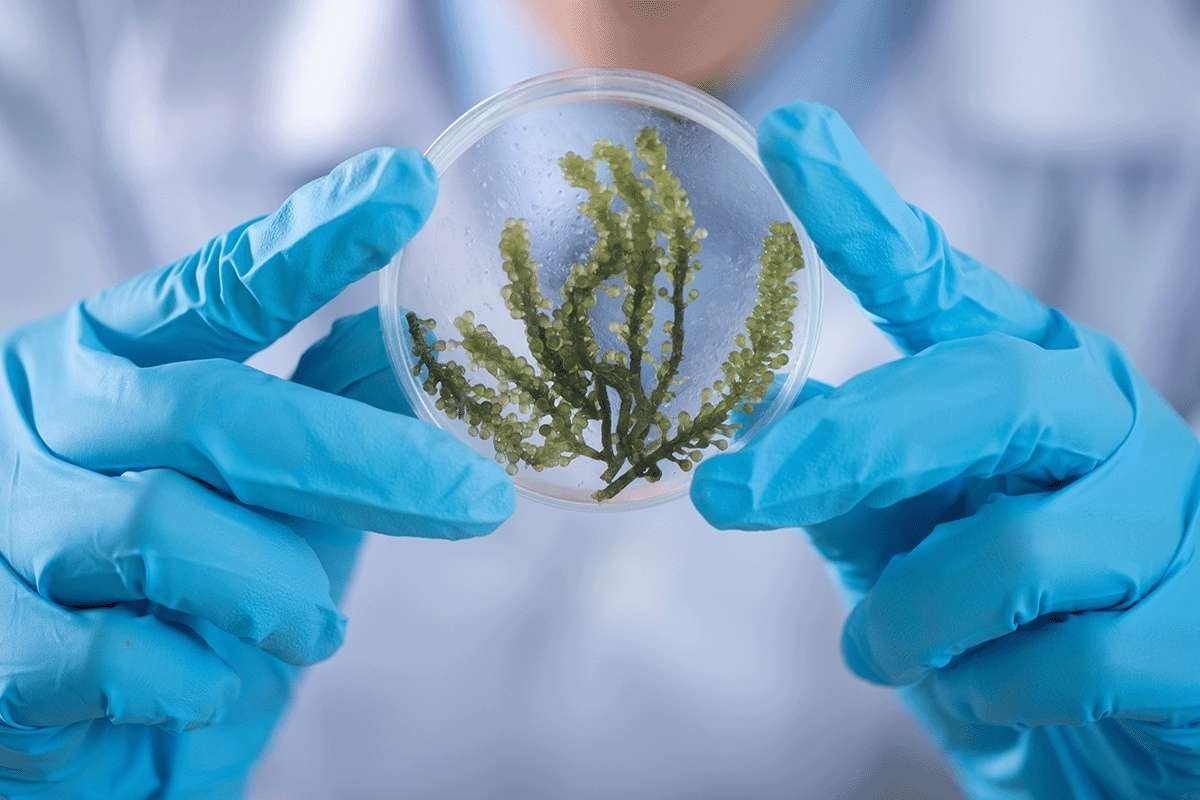
The study, published in Discover Food, is led by Dr. Asaf Tzachor of Reichman University with researchers from Iceland, Denmark and Austria. The team uses controlled light conditions to grow Spirulina biomass containing biologically active vitamin B12.
Researchers say the finding is the first reported instance of biologically active vitamin B12 being produced in Spirulina. Conventional Spirulina contains mostly pseudo-vitamin B12, a chemically similar compound that the human body cannot effectively use.
Vitamin B12 supports red blood cell formation and normal nervous system function. Vitamin B12 Spirulina may offer a potential alternative source of this essential vitamin, while more than 1 billion people worldwide are estimated to have low levels of the vitamin, according to the research team.
The recommended daily intake cited in the study is 2.4 micrograms. Meat and dairy are important dietary sources, but producing animal-based foods at the scale needed to meet global demand carries environmental costs.
“[T]he findings demonstrate that photosynthetically controlled Spirulina can produce desirable levels of active vitamin B12, offering a sustainable alternative to traditional animal-source foods,” Tzachor said.
Controlled Light Boosts Active Vitamin B12
Researchers from Reichman University, the University of Natural Resources and Life Sciences, Vienna, Ruppin Academic Center, the Danish Technological Institute, and MATIS in Iceland examined a biotechnology platform developed by VAXA Technologies in Iceland.
The team assessed the platform’s engineering design, energy inputs, and nutritional composition of the resulting biomass. A central element is photonic management, which changes the light conditions under which Spirulina grows.
The researchers found that the resulting biomass contained 1.64 micrograms of active vitamin B12 per 100 grams. Beef contains about 0.7 to 1.5 micrograms per 100 grams, according to the study.
The Vitamin B12 Spirulina also contained other bioactive compounds associated with antioxidant, anti-inflammatory, and immune-related properties. The researchers described the biomass as carbon-neutral under the system examined.
Scale-Up Could Reach Millions Of Children
The researchers modeled how the technology could perform at a much larger scale. One scenario estimates that redirecting electricity currently used by heavy industry in Iceland could support annual production of 277,950 metric tons of Spirulina biomass.
That output would contain an estimated 4,555 grams of active vitamin B12 annually, according to the researchers. They calculated that amount could provide the recommended dietary allowance for more than 13.8 million children ages 1 to 3.
More ambitious scenarios could potentially provide enough vitamin B12 to meet recommended intake for more than 26.5 million children ages 1 to 3 and more than 50 million infants ages 0 to 6 months.
Those figures are projections, not current production levels. Researchers say additional studies and larger-scale production are needed to determine whether the technology can be integrated into food systems.
The research highlights an approach that changes growing conditions to produce specific nutrients rather than relying on conventional Spirulina. If scaled successfully, Vitamin B12 Spirulina could offer another source of vitamin B12 while reducing reliance on animal-derived foods.
Visit more of our news! Healthcare 360 Magazine