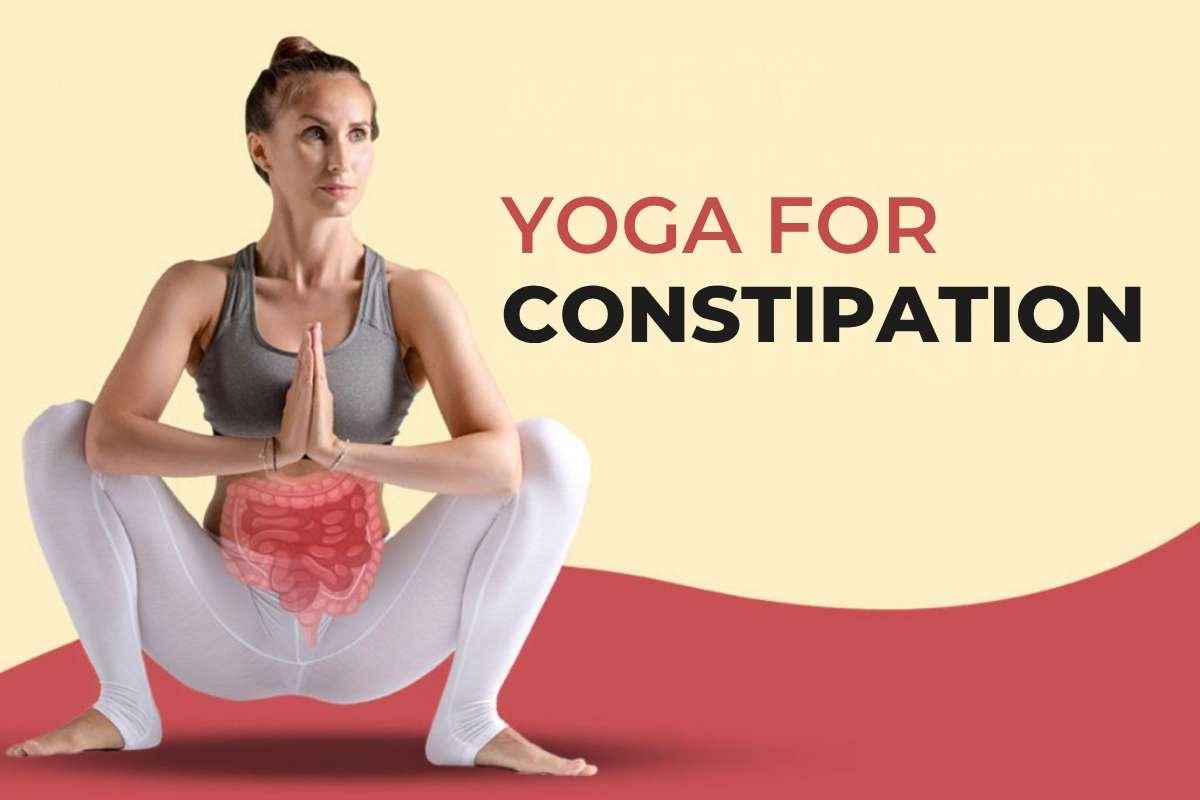
Are you dealing with constipation? If so, you’re in good company. Research indicates that all people suffer from constipation at some point in their lives. Diet, fluid intake, physical activity, and bowel habits can all influence constipation. Some gentle movements may support bowel regularity and ease digestive discomfort.
It is a good idea to include Yoga for constipation in your body’s daily routine. Along with drinking enough water, eating enough fiber, and exercising regularly. Yoga should be regarded as an aid rather than a treatment.
Yoga for Constipation: Can It Actually Help You Poop?
Yoga poses may help some people with constipation, but yoga should not be presented as a guaranteed way to trigger a bowel movement.
How yoga might help
1. Movement
Regular physical activity is conditionally recommended for chronic constipation because evidence is limited but suggests potential benefit. Gentle yoga counts as movement and may support bowel regularity in some individuals.
2. Relaxation
Stress can worsen digestive symptoms through the gut–brain connection. Breathing exercises and relaxation components of yoga may activate the “rest and digest” response and be useful as part of a broader routine.
3. Gentle trunk and abdominal movement
Some yoga poses involve bending, stretching, or rotating the torso, which may contribute to physical comfort and a sense of ease in the abdomen. Evidence supporting physical activity for constipation does not mean that any specific yoga pose has been proven to relieve constipation. Research on yoga specifically remains more limited.
Bowel habits matter too:
Constipation is more than “not pooping often.” It can involve hard stools, straining, a feeling of incomplete evacuation, and difficulty passing stool. Yoga works best alongside good bowel habits: adequate fiber and fluids, regular toilet timing, and not ignoring the urge to go.
7 Yoga Poses That May Support Bowel Movement:
These poses are grouped by what they’re best for, not by promises of “curing constipation.” Use what feels comfortable and stop if you feel pain.
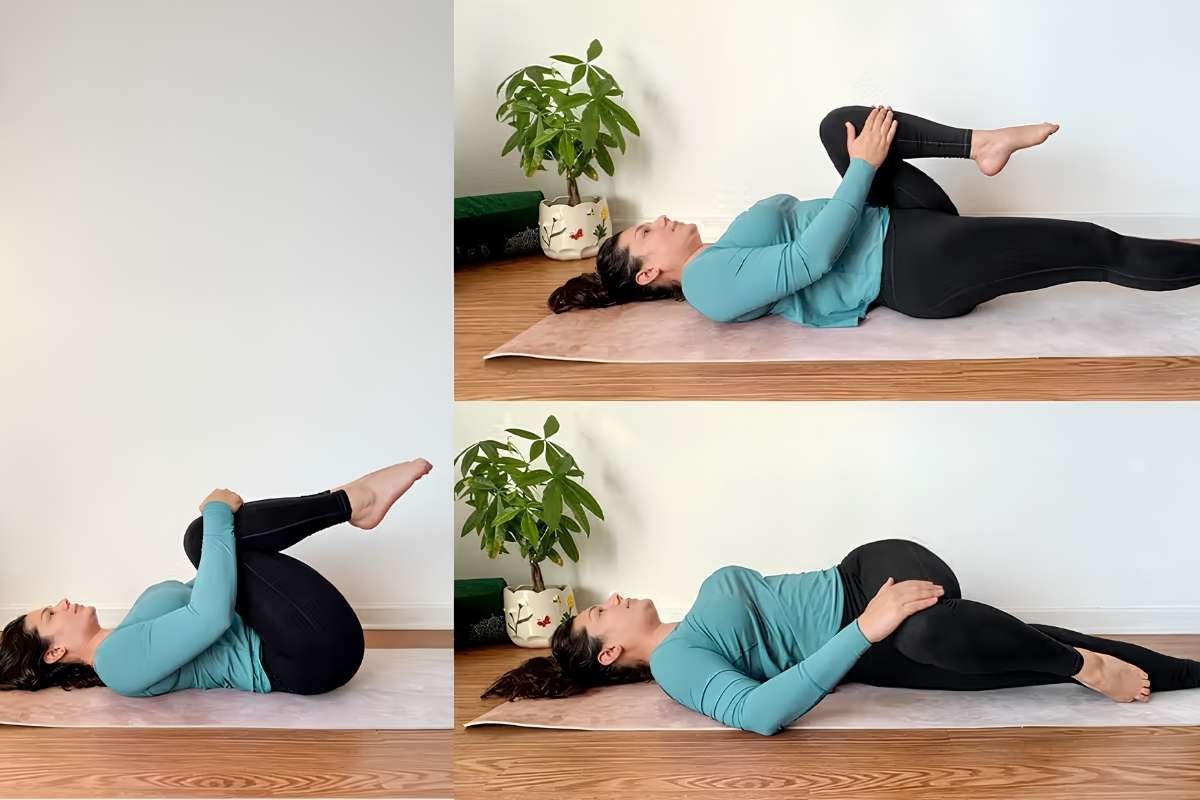
1. Wind-Relieving Pose (Pawanmuktasana)
- Best for: A gentle starting movement, especially when gas accompanies constipation.
- How to: Lie on your back. Hug one knee, then both, toward your chest. Keep your lower back heavy on the floor and breathe slowly.
- Beginner modification: Keep knees bent and feet on the floor; gently rock side to side instead of hugging tightly. Medical News Today lists this as a beginner-friendly option for gas with constipation.
2. Supine Spinal Twist
- Best for: Gentle trunk rotation without putting weight on the abdomen.
- How to: Lie on your back, arms out in a T. Bend one knee and let it fall across your body while keeping shoulders down. Turn your head the other way.
- How far to twist: Only to a comfortable stretch. Don’t force the range; let gravity do the work.
3. Child’s Pose (Balasana)
- Best for: Relaxation and slow breathing.
- How to: Kneel, sit back on your heels, and fold forward with arms extended or resting by your sides. Rest your forehead on the floor or a cushion. This gives a non-twisting option that still supports calm.
4. Gentle Seated Twist
- Best for: Readers who want a little more mobility.
- How to: Sit tall, cross legs comfortably, and rotate your torso toward one knee. Keep the spine long and the twist mild. Emphasize gentle, not deep.
5. Supported Squat / Garland Pose (Malasana)
- Best for: Practicing a comfortable squat position and hip mobility.
- How to: Feet hip-width or wider, sink into a squat with support under your hips (block, chair, or wall) if needed. Keep the chest lifted. Clinical guidance notes that body position during defecation can influence ease of evacuation, though evidence for squatting’s superiority is limited.
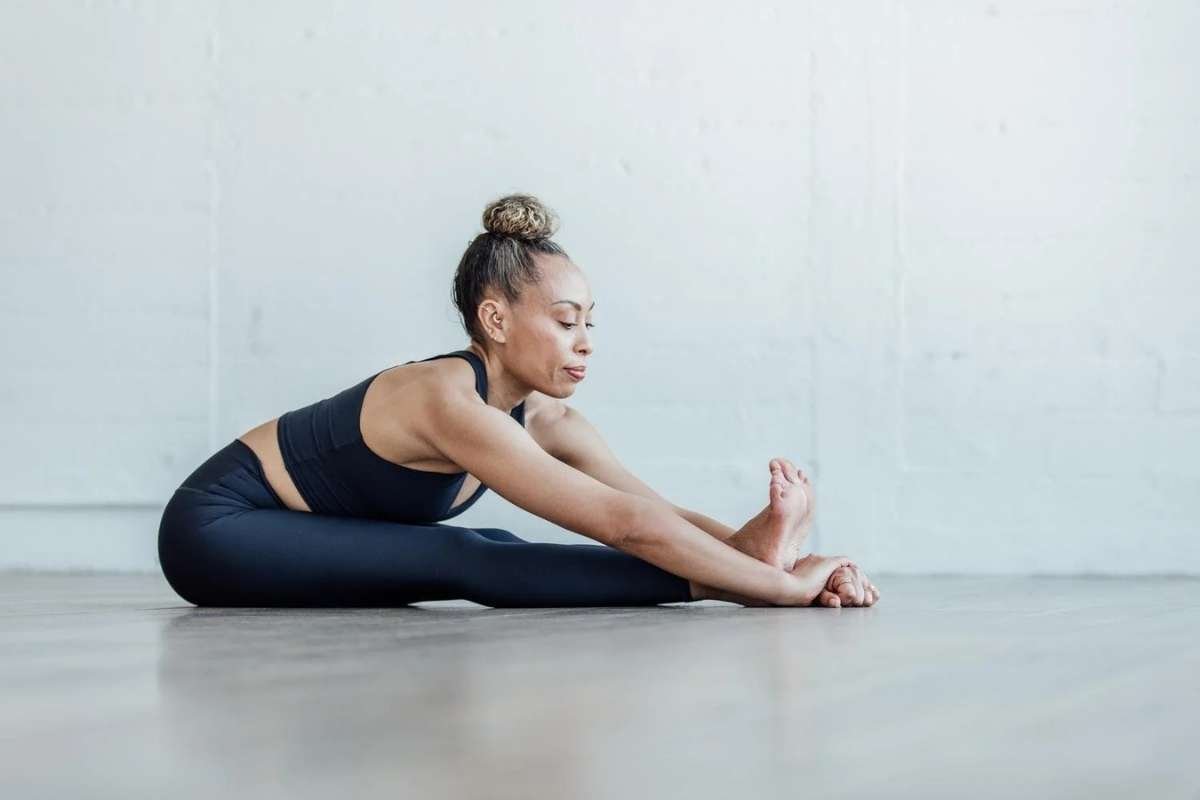
6. Seated Forward Bend (Paschimottanasana, gentle)
- Best for: Calming the nervous system and lengthening the back body.
- How to: Sit with legs extended, hinge from hips, and fold forward only as far as comfortable. Use a strap around the feet if needed.
7. Cat–Cow (Marjaryasana–Bitilasana)
- Best for: Gentle spinal mobility and rhythmic breathing.
- How to: On hands and knees, alternate between arching and rounding the spine with your breath. Move slowly and smoothly.
Think of these as supportive movements within a broader routine that includes fiber, fluids, and regular toilet timing. When used this way, yoga for constipation can be a reasonable add-on, not a standalone fix.
Also Read: Yoga for Calm: A 15-Minute Step-by-Step Routine to Quiet a Busy Mind
How to Put the Poses Together Without Overdoing It?
Use this as a gentle movement sequence, not a guaranteed constipation-relief routine. Move slowly and breathe naturally throughout.
Start — 1 minute: Slow breathing
Sit or lie comfortably. Place one hand on your belly. Inhale through your nose, letting the abdomen soften; exhale slowly. Relax the abdomen and avoid holding your breath.
Move — 1–2 minutes: Wind-Relieving Pose
Lie on your back. Hug one knee toward your chest, then the other; try both knees together if comfortable. Keep movements small and smooth.
Rotate — 2 minutes: Supine Spinal Twist
Arms out in a T, drop one bent knee across your body while keeping shoulders down. Take a few comfortable breaths on each side, then switch.
Relax — 1–2 minutes: Child’s Pose
Kneel and fold forward, resting your forehead on the floor or a cushion/bolster. Let your belly soften against your thighs.
Finish — 1–2 minutes: Supported squat or comfortable seated position
Sink into a supported squat (use a block, chair, or wall) or sit upright with feet grounded. No straining; keep the chest lifted and breathing easy.
Key rule:
The goal is movement without strain, not forcing your body into a pose because you’re constipated. If anything increases pain, dizziness, or discomfort, stop and rest.
This short, structured flow can fit into a broader plan that includes fiber, fluids, and regular toilet timing. Used this way, yoga for constipation becomes a supportive habit rather than a quick fix.
Yoga Is Only One Part of Better Bowel Habits:
Yoga can support bowel regularity, but it works best alongside everyday bowel habits that make evacuation easier.
Keep moving regularly
Yoga is one form of physical activity, but you don’t need yoga specifically. Walking, cycling, or other regular exercise can also help bowel symptoms in some people.
Don’t ignore the urge
Regularly delaying bowel movements can make constipation worse over time. The World Gastroenterology Organisation advises against ignoring the urge to pass stool.
Optimize toilet positioning. On a standard toilet:
- Keep feet supported (use a small footstool so knees are higher than hips).
- Lean slightly forward with elbows on knees and back straight.
- Avoid excessive straining; breathe gently and allow enough time and privacy.
The World Gastroenterology Organisation recommends a forward-leaning seated position with supported feet, while constipation guidance also discusses squatting or modified squatting positions.
Support with fluids and fiber
Adequate dietary fiber and fluids are commonly recommended for constipation, but needs vary by person. Focus on gradual, sustainable changes rather than rigid targets.
What to Avoid When You’re Constipated?

To stay safe, avoid forcing deep twists, holding your breath, or straining during a pose. Don’t exercise through abdominal pain, and skip advanced poses simply because they’re labeled “for constipation.” Severe constipation should not be treated with yoga alone. Seek medical advice if symptoms are persistent or severe.
Healthline and other sources advise using gentler alternatives when twists are painful, or the abdomen is significantly distended. A useful distinction: discomfort from stretching is not the same as pain. Mild pulling or pressure can be normal; sharp, worsening, or unusual abdominal pain is not.
Practical safety rule: if a pose causes sharp, increasing, or unusual abdominal pain, dizziness, or nausea, stop immediately and come out of the pose slowly. Modify or skip poses that increase discomfort, and never push through pain hoping it will resolve.
Used with these boundaries, yoga for constipation remains a gentle, supportive practice rather than a risky attempt to “force” a bowel movement.
Also Read: Bond-Building Yoga Poses Are The Stress Relief You Need Now
Conclusion:
Constipation can be frustrating, but you don’t have to rely on fiber and water alone. As this guide has shown, Gentle yoga may be a reasonable supportive practice for some people with occasional constipation. It happens through mindful breathing, trunk mobility, and poses like Wind-Relieving Pose, Supine Spinal Twist, and Child’s Pose. Remember. Yoga works best as part of a bigger picture: staying hydrated, eating enough fiber, moving regularly, and listening to your body’s urges rather than ignoring them.
Start small. Pick two or three poses in yoga for constipation from this list, breathe slowly, and notice how your body responds over the next few days. If constipation persists or worsens despite these efforts, don’t hesitate to check in with a healthcare provider.
FAQ:
1. What could be causing my distended and rigid abdomen?
A rigid and distended abdomen is a medical emergency that often indicates a serious internal condition like peritonitis, a bowel obstruction, or internal bleeding.
2. What are alternatives to Russian twists?
The side plank is a safe and spine-friendly alternative to the Russian twist that builds oblique and core strength without putting pressure on your lower back discs.
3. What type of stretching has the lowest risk of injury?
Static stretching has the lowest risk of immediate muscle tear or strain because it is slow, controlled, and performed while holding a stationary position.
4. Can you fix a distended abdomen?
Yes, you can fix a distended abdomen by treating its underlying cause, which may range from simple gas and constipation to serious medical conditions.
5. What are the five red flags for abdominal pain?
The five major red flag signs for abdominal pain that require immediate medical attention include sudden and severe pain intensity, a rigid or hard abdomen, accompanying high fever, blood in the stool or vomit, and persistent vomiting with an inability to keep fluids down.