Key Takeaway:
- Bird flu persists at a Utah mink farm: The H5N1 outbreak raises concerns about viral mutations among mammals.
- Worker monitoring faces scrutiny: Experts warn that limited testing and symptom monitoring could leave infections undetected.
- Scientists urge stronger precautions: Early testing, surveillance and containment could help reduce the risk of future human transmission.
A bird flu outbreak at a Utah mink farm has persisted for more than two months, prompting scientists to warn that limited worker testing and containment could increase the risk of viral mutations.
Bird Flu Spreads Among Mink as Officials Face Criticism
The outbreak at C&T Fenn Farms, near Payson, Utah, involves the H5N1 strain of avian influenza that has spread among poultry and dairy cattle in the United States. Utah agriculture officials learned in mid-August that mink were dying from the virus, according to a ProPublica investigation published Oct. 23.
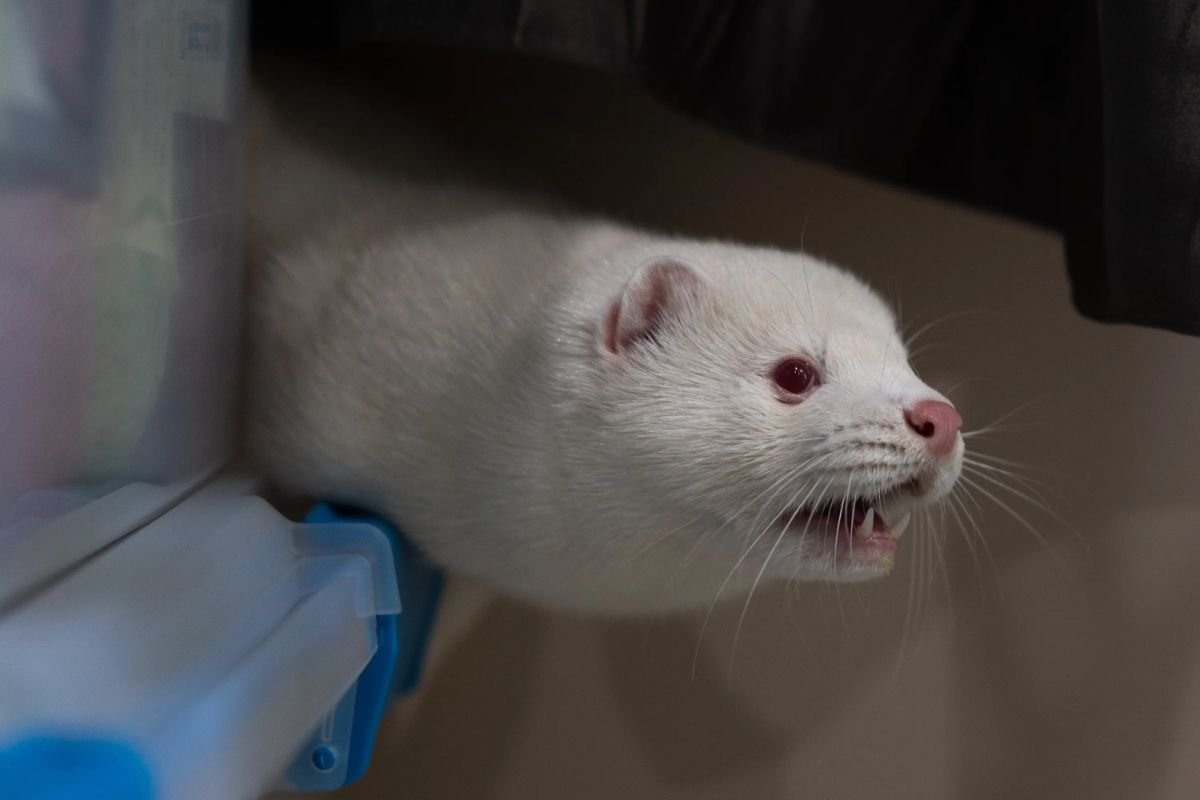
Mink are a concern because their respiratory systems contain cell receptors similar to those found in humans. Scientists warn that sustained viral circulation among mammals could allow mutations that make the virus better able to infect people, although researchers do not know whether this outbreak will produce such changes.
Tom Peacock, an avian influenza researcher at the Pirbright Institute, said authorities in other countries have moved quickly to eliminate infected mink populations.
“Every other country that I’m aware of that has had H5N1 in fur farms, depopulation has happened pretty quickly,” Peacock told ProPublica. “The fact that the first instinct wasn’t just to depopulate and figure stuff out later is very concerning to me.”
Unlike poultry farms, mink farms are not covered by the same federal culling requirements and compensation programs. Utah officials have not ordered the farm’s mink population destroyed, instead relying on restrictions intended to prevent animals, carcasses and manure from leaving the property.
Officials Draw Criticism Over Worker Monitoring
Public health experts have criticized the decision not to actively monitor farmworkers for symptoms or routinely test those who may have been exposed. The Centers for Disease Control and Prevention recommends monitoring people who have contact with infected animals.
ProPublica reported that a worker at the farm had a visibly red eye, a symptom associated with human bird flu infections. The farm owner contacted the local health department after the publication raised concerns, but the worker was not advised to undergo testing, according to the investigation.
Pamela Gomez Pinedo, a respiratory disease epidemiologist with the Utah health department, told ProPublica that agricultural officials had concerns about worker monitoring discouraging farms from cooperating with authorities.
“Us doing active monitoring was making it so that farms didn’t want to work with them,” Pinedo said.
Utah state veterinarian Amanda Price said the state was trying to balance public health concerns with the impact on the farm’s owner. She told ProPublica that officials had not seen evidence of the outbreak spreading beyond the property and were relying on measures to limit movement from the farm.
Scientists Warn Against Waiting for Human Infections
Experts say the absence of detected human-to-human transmission does not eliminate the need for precautions. Two people in the United States have died after contracting bird flu from infected animals, according to the investigation, but sustained human-to-human transmission has not been documented.
Meghan Davis, an epidemiologist at Johns Hopkins University, said the outcome depends on how the virus evolves and how authorities respond.
“We might get lucky, and a response that is not robust may not have dire consequences,” Davis told ProPublica. “But we may get unlucky.”
Scientists are calling for updated viral samples to be analyzed for mutations and for stronger surveillance of exposed workers. They also warn that a bird flu virus could exchange genetic material with another influenza virus, potentially creating a strain better adapted to humans.
The outbreak underscores the need for coordination among animal health, agricultural and public health agencies. Researchers stress that a pandemic is not inevitable, but early monitoring and containment could help identify dangerous changes before they pose a wider threat.