Tonsil stones affect an estimated 10% of people at some point, and they often return even when you brush twice a day. These small white or yellow lumps form when food debris, dead cells, and bacteria get trapped in tonsil crevices and gradually harden. This causes persistent bad breath and throat discomfort. If you’re searching for how to prevent tonsil stones, this guide covers practical, evidence-based steps. It spans from oral hygiene habits to hydration and gargling.
Consistent routines may reduce recurrence, but no home method guarantees complete prevention. You’ll also learn when it’s time to see a healthcare professional.
How to Prevent Tonsil Stones With a Daily Oral Hygiene Routine

You can reduce the chance of tonsil stones by keeping plaque, food debris, and odor-causing buildup under control. A consistent routine helps, though tonsil stones cannot always be prevented and do not necessarily mean poor oral hygiene.
Brush and floss consistently
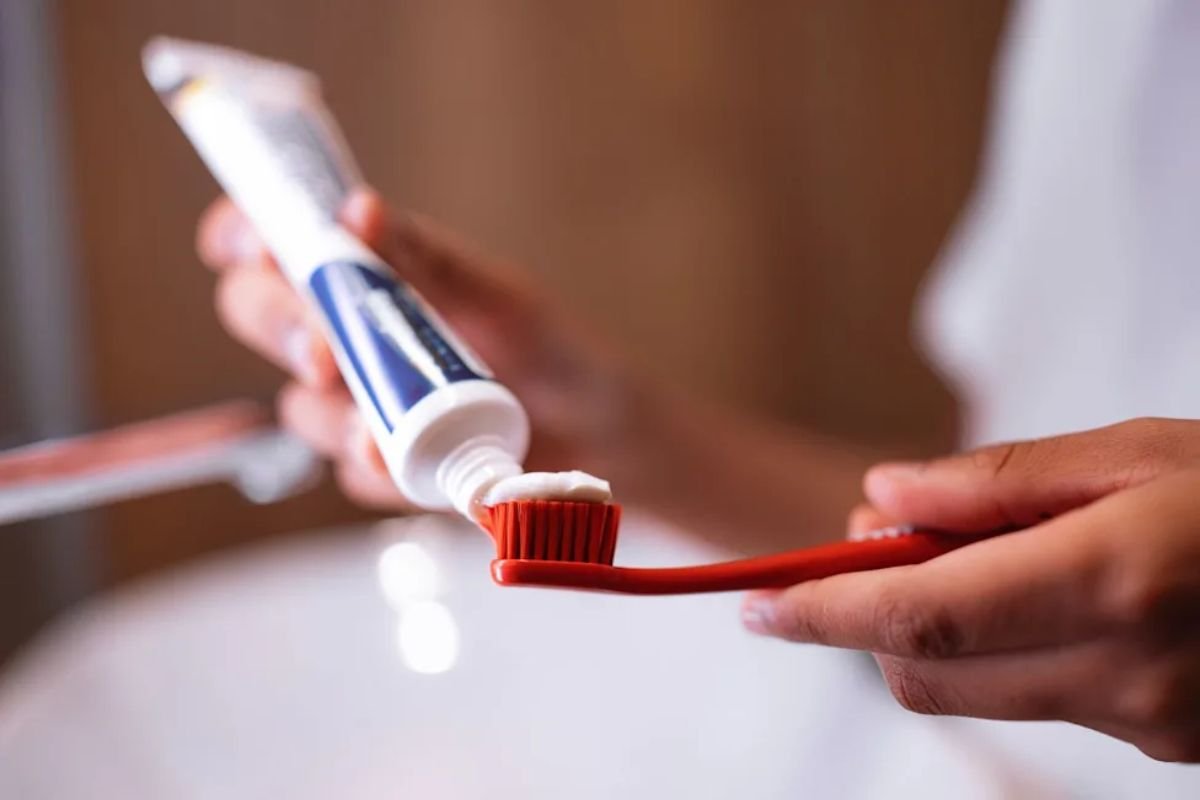
Brush twice daily with fluoride toothpaste and clean between your teeth once a day. These habits remove dental plaque and trapped food particles that can contribute to bacterial buildup in the mouth.
This routine supports overall oral health, but it cannot directly clean every tiny crypt in the tonsils, where debris may collect. If you are wondering how to prevent tonsil stones, think of brushing and flossing as reducing the material available for buildup, not as a guaranteed cure.
Clean your tongue and rinse your mouth
Gently brush your tongue when you brush your teeth. Tongue cleaning helps reduce odor-causing bacteria and debris. This may also lessen the material that contributes to tonsil-stone formation.
Gargling with warm salt water after eating is a reasonable hygiene measure: it may help clear loose debris and soothe irritation. But evidence that it reliably prevents new stones is limited. An alcohol-free mouthwash is optional for freshness. It is not a proven standalone prevention treatment.
Morning and evening routine
| When | What to do |
| Morning | Brush, clean your tongue, and drink water. |
| After meals | Drink water; gently gargle if helpful. |
| Evening | Brush, floss, and clean your tongue. |
Use a gentle saltwater gargle: about 1 teaspoon of salt in 1 cup of warm water, if you choose to gargle.
Which Natural Habits Help Reduce Tonsil Stone Recurrence?

Natural habits may help reduce recurrence by supporting saliva flow, limiting oral dryness, and managing throat irritation. But they are supportive measures, not guaranteed prevention. Tonsil stones can still recur even with good habits.
Stay hydrated and manage dry mouth.
Saliva helps keep the mouth moist, reduce bacterial growth, and wash away debris. Drink water regularly, especially if your mouth feels dry.
Persistent dry mouth deserves professional assessment because many medicines and conditions can reduce saliva. The NIDCR notes that more than 400 medicines can cause dry mouth, including some blood-pressure, depression, and bladder-control medicines. Diabetes and Sjögren’s disease are also possible causes.
Address smoking and nasal symptoms.
Quitting smoking supports oral health: tobacco use raises the risk of gum disease and other oral problems. Health professionals commonly advise reducing tobacco when managing dry mouth.
Allergies, sinus problems, and postnasal drip can send mucus down the back of the throat and contribute to throat irritation. If nasal symptoms are persistent, seek assessment rather than assuming allergy treatment will necessarily prevent tonsil stones.
Also Read: Canker Sore in Tongue: Causes, Symptoms, Treatment, and Prevention
Do you need to avoid dairy?
For how to prevent tonsil stones, there is not enough strong evidence to recommend that everyone avoid dairy or specific foods. Notice whether particular foods seem to worsen your symptoms, but avoid unnecessarily restrictive diets.
No special diet, food elimination plan, or “detox” has been established as a reliable way to prevent tonsil stones. Focus instead on hydration, oral hygiene, and treating persistent dry mouth or nasal issues with professional guidance.
What to Do When Tonsil Stones Keep Coming Back

When tonsil stones keep returning, the next step is not to try harder at home. It is to identify why they recur and get professional advice if symptoms persist. Recurrence does not automatically mean your hygiene routine is failing.
Why stones recur despite good hygiene
Tonsils have natural crevices called crypts. Deep crypts, individual anatomy, and repeated tonsil inflammation can trap debris even when you brush and floss consistently.
Track how often stones return, along with throat discomfort, bad breath, swelling, or trouble swallowing. This record can help a clinician decide whether you need evaluation beyond routine self-care.
Avoid unsafe removal methods
For how to prevent tonsil stones, focus on reducing future buildup; do not confuse prevention with forcing out a stone that has already formed. Avoid sharp objects, forceful scraping, and aggressive poking, because repeated manipulation can inflame or injure the tonsils and cause pain or bleeding.
Do not use high-pressure water flossers directly on the tonsils as a routine prevention method. If you have pain, swelling, or signs of infection, avoid touching the area and seek medical advice.
When to see a dentist or ENT
Arrange a dental or ENT evaluation if stones recur often, bad breath persists despite good oral care, or you have ongoing throat discomfort or difficulty swallowing. A clinician can check for other causes and discuss suitable treatment options.
In selected persistent cases, a clinician may consider procedures such as laser resurfacing or tonsillectomy, but surgery is not routine first-line prevention for everyone.
Get urgent medical care for trouble breathing, difficulty swallowing saliva, rapidly worsening throat swelling, or severe symptoms.
Also Read: Bacterial Infections: Common Types, Early Symptoms, and Treatment Options
Conclusion:
Tonsil stones are usually harmless, but they can be stubborn. Learning how to prevent tonsil stones is less about doing everything perfectly and more about finding what works for your body. Some people notice fewer stones after small changes. Others have tonsil anatomy that makes recurrence hard to avoid, and that is not a personal failing.
Give your routine a few weeks before judging it. If the problem lingers or starts to affect your comfort, a professional can look beyond what home care can reach.
Your next step: choose one habit to stick with this week, and note how your throat feels.
FAQ:
1. Can tonsil stones be prevented permanently?
Not always. Oral hygiene and hydration may reduce contributing debris, but people with deep tonsil crypts or recurrent inflammation can continue to develop stones.
2. Can drinking more water help prevent tonsil stones?
Staying hydrated supports saliva production and oral cleanliness, which may help reduce debris buildup. Drinking excessive amounts of water is not necessary.
3. How to Prevent Tonsil Stones With Saltwater Gargling?
Warm saltwater gargling may help clear loose debris and soothe minor throat irritation. However, strong evidence that it prevents tonsil stones from forming is limited.