You finish a workout feeling proud. Sweaty, tired, maybe a little sore. Then someone next to you pulls out a shaker, adds a scoop of powder, shakes it like a pro, and downs it in seconds. It looks important, almost like a ritual.
Maybe you’ve seen those giant tubs at the store. Promises of muscle, fat loss, and better recovery. All in one scoop. It makes you wonder if you’re missing out.
So you start thinking. Should I be drinking these, too?
That leads to the real question. Do protein shakes work, or is it just hype?
The answer is not a straight yes or no. For some people, they make a real difference. For others, they do very little.
In this guide, you’ll see what protein shakes actually do, who they help, and when they don’t really matter.
What are Protein Shakes?
Protein shakes are simple. They are drinks that give you a quick dose of protein.
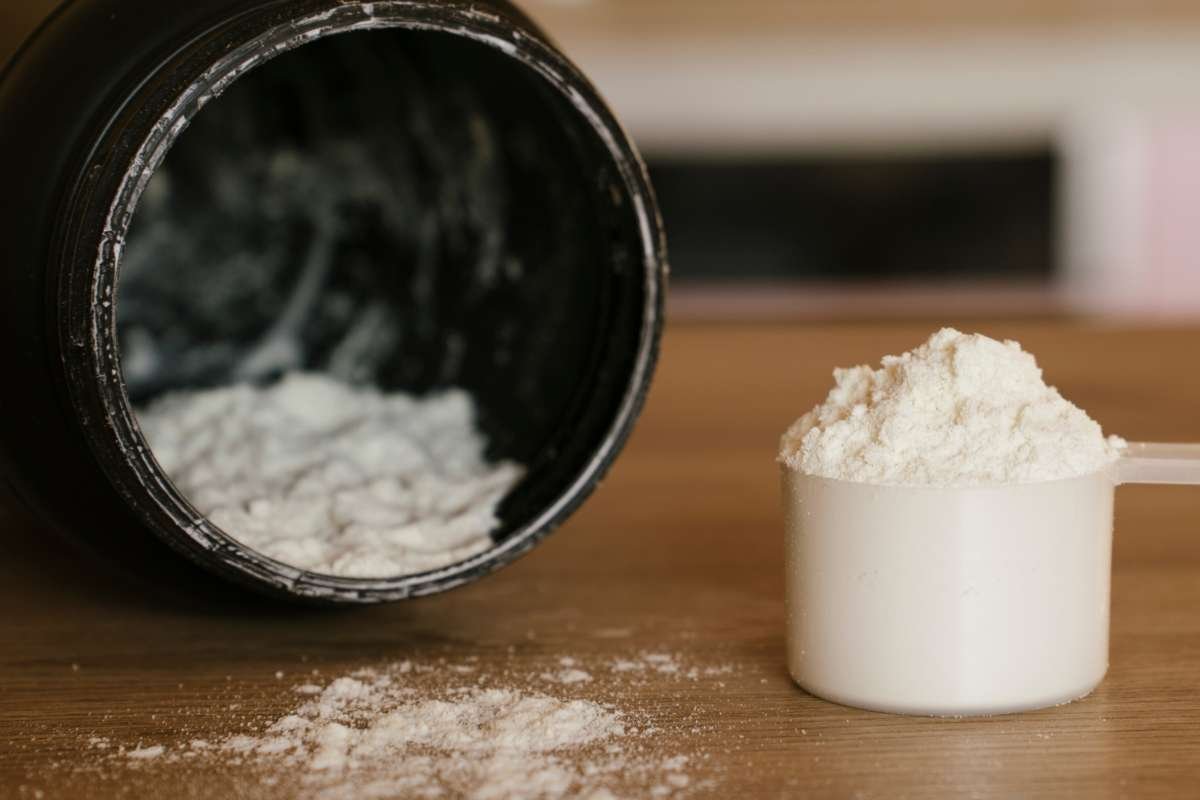
Most come as a powder. You mix it with water or milk and shake it up. Some are ready-to-drink bottles you can grab and go.
The goal is easy protein. No cooking. No prep.
Common types of protein shakes
Whey protein
Made from milk during cheese production. It is quickly absorbed by your body, which is why many people take it after workouts. It is rich in essential amino acids, especially leucine, which helps trigger muscle repair and growth.
- Typical protein per scoop: ~20–25g
Casein protein
Also comes from milk, but behaves very differently. It digests slowly and releases protein over several hours. This steady supply can help reduce muscle breakdown and keep you feeling full for longer. Some people take it before bed for this reason.
- Typical protein per scoop: ~20–25g
Plant-based protein
Made from sources like peas, soy, brown rice, or a mix of these. These are good for people who avoid dairy or follow a vegan diet. Some plant proteins may be lower in certain amino acids, but blended options often fix this by combining multiple sources.
- Typical protein per scoop: ~15–25g
Collagen protein
Made from animal connective tissues like skin and bones. It is often used for skin, hair, and joint health rather than muscle building. Collagen is lower in some essential amino acids, so it is not the best choice if your main goal is muscle growth.
- Typical protein per scoop: ~10–20g
Do Protein Shakes Work for Muscle Gain?

The short answer is yes, but not on their own.
Your muscles grow when they are pushed during exercise. That creates tiny damage in the muscle fibers. Protein helps repair that damage and rebuild it stronger.
Protein shakes simply make it easier to give your body enough of what it needs to do that job.
Research shows that adding extra protein can improve muscle size and strength, but only when you are also doing resistance training. In other words, lifting weights or doing bodyweight exercises is what starts the process. Protein just supports it.
If you skip the training part, the shake does not have much to work with. Your body will still use the protein, but not for building bigger muscles.
Think of it like this. Protein is the brick, training is the builder. Without the builder, the bricks just sit there.
Protein Shakes vs Real Food
| Protein Shakes | Whole Foods |
| Fast and convenient, ready in seconds | Take time to cook or prepare |
| Processed and manufactured | Natural and minimally processed |
| Focus mainly on protein | Provide protein plus fiber, vitamins, and minerals |
| Limited nutrients beyond protein | Rich in nutrients that support overall health |
| Easy to track exact protein intake | Nutrient content varies, but it is more complete |
Protein shakes are built for ease. They help when you’re short on time or need a quick boost. But they are not complete foods.
Whole foods like eggs, chicken, lentils, and nuts give you more than just protein. They bring fiber, vitamins, and minerals your body needs every day.
The smart approach is simple. Let whole foods be your base, and use protein shakes only when you need extra help hitting your protein goals.
Do Protein Shakes Work without Exercise?
Not really. Your body needs a reason to build muscle. That reason is exercise. Without it, extra protein has nowhere useful to go. It may be used for basic body functions, burned for energy, or stored if you eat too much.
Experts are clear on this point. As researcher Stuart Phillips puts it, “None of it is really actually true unless you’re combining it with a pretty good dose of physical activity.”
So if you are just drinking shakes and skipping movement, don’t expect much.
Protein shakes are a supplement. Not a shortcut.
READ MORE:
- Best Protein Powders for Women in 2026 (Top Picks for Every Goal)
- Consumer Reports Finds High Lead Levels in Protein Powders, Urges Food-Based Protein
Do Protein Shakes Work for Weight Loss?
They can help, but they are not magic.
Protein keeps you full for longer. This can reduce snacking and help you eat fewer calories during the day. It also takes more energy for your body to digest, which gives a small boost to calorie burn.
But results depend on your total diet. If you add shakes without cutting anything else, you may gain weight instead.
They work best when used as a smart swap. For example, replacing a high-sugar snack with a protein shake.
High-protein diets are linked to better fat loss because they control hunger and help keep muscle.
So yes, they can work, but only when your overall calorie intake is in check.
What Happens in Your Body After Drinking One
| Step | What Happens? |
| Digestion | Your body breaks protein into amino acids |
| Absorption | Amino acids enter your bloodstream |
| Delivery | They travel to muscles and other tissues |
| Repair & Growth | Muscles use them to recover and grow stronger |
Whey protein moves fast through this process, which is why people use it after workouts. Slower proteins, like casein, release amino acids over time.
Nothing fancy here. A protein shake just delivers the building blocks your body needs to recover and build.
Are Your Protein Needs Matched to the Right Shake?
How much protein do you actually need?
- Sedentary adults
Around 0.8 grams per kg of body weight is enough to keep your body running well. This covers basic repair and daily needs but won’t support heavy training. - Active people
If you exercise regularly, your body needs more protein to repair muscle and recover faster, which is 1.2–1.5 g of protein per kg of body weight. The harder and more often you train, the higher your needs go.
In simple terms, more movement means more repair work, and that needs more protein, which is why people often wonder, do protein shakes work.
How to Choose a Good Protein Shake?
- Low sugar: Many flavored shakes add sugar for taste. Too much can cancel out your health goals and add extra calories.
- Simple ingredients: A shorter ingredient list usually means fewer artificial additives and better quality.
- Third-party tested: This ensures the product actually contains what it claims and is free from harmful contaminants.
- Avoid fillers: Some powders include cheap additives to bulk up the product. These add little value and can sometimes cause digestive issues.
Pick something clean, simple, and reliable. That matters more than branding or hype.
When Protein Shakes Work and When They Don’t
| When They Work | When They Don’t |
| After workouts, when your muscles need protein to recover | When you drink them without exercising |
| When you can’t meet protein needs through regular food | When used as full meal replacements for long periods |
| For busy schedules needing quick nutrition | When you consume too many and add extra calories |
| For athletes or highly active people | When your overall diet is poor |
Protein shakes are tools, not solutions. They work well when they support a good diet and regular exercise. Used with no plan, they won’t do much. Focus on your overall habits first, then use shakes to fill the gaps where needed.
Are Protein Shakes Safe?
Mostly, yes. But not all protein shakes are created equal, so it pays to know what you’re drinking.
What to watch out for:
- Heavy metals in some products
Independent tests, including reports from Consumer Reports, have found traces of heavy metals like lead in certain protein powders. Levels are usually low, but it shows that quality can vary across brands. - Less strict regulation
Protein powders are sold as supplements, not regular food. This means they are not checked as strictly before hitting the market, so label accuracy and ingredient quality can differ.
Possible side effects:
- Bloating and digestive issues
Some people, especially those sensitive to dairy, may feel gas or discomfort after whey-based shakes. - Added sugars and sweeteners
Flavored shakes can include extra sugars or artificial sweeteners, which may upset your stomach or add unnecessary calories.
The bottom line is simple. Protein shakes are generally safe, but choosing a trusted brand and reading the label makes a real difference.
What Protein Shakes Do for You
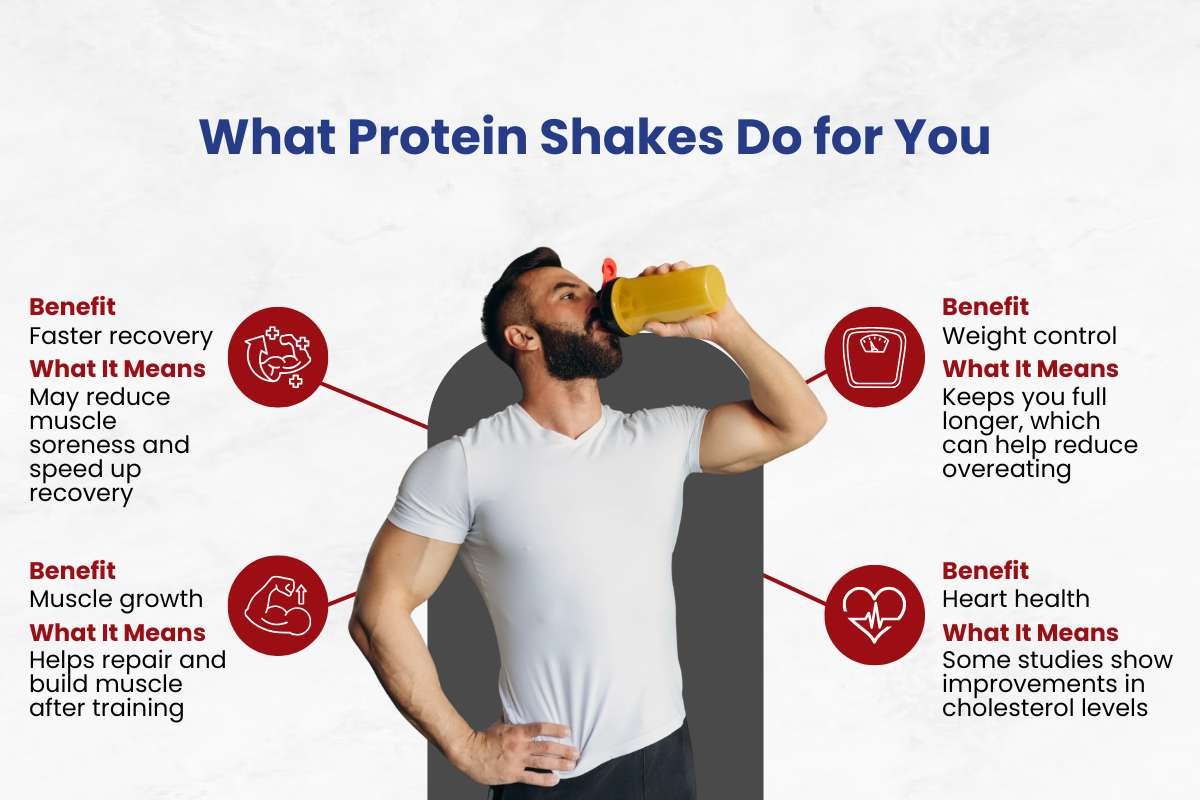
Protein shakes are not just about muscle. When used the right way, they can support different parts of your health and fitness. Here’s a clear look at what they actually help with:
| Benefit | What It Means |
| Muscle growth | Helps repair and build muscle after training |
| Faster recovery | May reduce muscle soreness and speed up recovery |
| Weight control | Keeps you full longer, which can help reduce overeating |
| Heart health | Some studies show improvements in cholesterol levels |
These benefits do not come from the shake alone. They depend on your overall diet, activity level, and daily protein intake. Research shows protein supports muscle growth, recovery, and satiety, especially when combined with exercise.
So when people ask, “Do protein shakes work?”, the answer depends on the bigger picture.
Who Should Use Protein Shakes (And Who Shouldn’t)?
Who they’re useful for:
- Gym-goers and athletes
- People who train regularly need more protein to support muscle repair and growth.
- People with low protein intake
- If your daily diet lacks sufficient protein, shakes can help fill the gap easily.
- Vegetarians and vegans
- Useful when it’s hard to get enough protein from plant foods alone.
Who should limit or avoid them:
- People with kidney issues
- High protein intake may put extra strain on the kidneys, so caution is needed.
- Those already meeting protein needs.
- Extra protein won’t add much benefit if your diet is already balanced.
- Anyone using them as full meals
- Relying on shakes instead of real food can lead to missing key nutrients.
Protein shakes work best as support, not as a replacement for a solid diet.
Final Verdict: Do Protein Shakes Work?
Protein shakes sit in that strange middle ground between helpful and overhyped. They are not magic, but they are not useless either. They do exactly what they promise: give you protein, nothing more, nothing less.
If your routine is solid, they can make things easier. If your routine is messy, they will not fix it. That’s where most people get it wrong.
The truth is simple. Results come from what you do every day. The shake is just support.
So instead of asking if protein shakes work, ask a better question. Are you giving your body a reason to use them?
Eat well. Move often. Stay consistent.
If a protein shake helps you do that, it earns its place. If not, you are not missing out on anything important.
FAQs
1. Do protein shakes work for beginners?
Yes. They help beginners meet protein needs, especially when starting workouts and building consistency.
2. Can you drink protein shakes every day?
Yes, if they fit your daily protein needs. They should support your diet, not replace real meals.
3. Are protein shakes better than food?
No. Whole foods provide more nutrients. Shakes are just a convenient option when you’re short on time.
4. Do protein shakes help you lose belly fat?
Not directly. They can support weight loss by keeping you full, but fat loss depends on total calorie intake.
5. How long does it take to see results from protein shakes?
Results depend on your diet and exercise. Most people notice changes over a few weeks with consistent training.
6. What happens if you drink protein shakes without working out?
Very little. Your body will still use the protein, but it won’t lead to muscle gain without exercise.