Potassium is a vital mineral that helps regulate blood pressure and supports heart health. Most adults fall short of the recommended 3,510 mg daily intake, but you can easily bridge this gap with potassium-rich foods like baked potatoes, spinach, legumes, and salmon. Read on to get our curated list of ingredients, simple meal-stacking strategies, and important safety tips for those managing kidney health.
Ever wonder if you’re getting enough potassium? Most adults actually aren’t. While everyone talks about cutting back on salt, potassium often gets ignored, even though it’s a total hero for your heart.
It helps keep your blood vessels relaxed and your body’s fluids in balance. Whether you’re keeping an eye on your blood pressure or just want more energy to get through the day, adding more potassium-rich foods to your plate is a simple, effective way to take care of yourself.
Why Does Your Body Need Potassium?
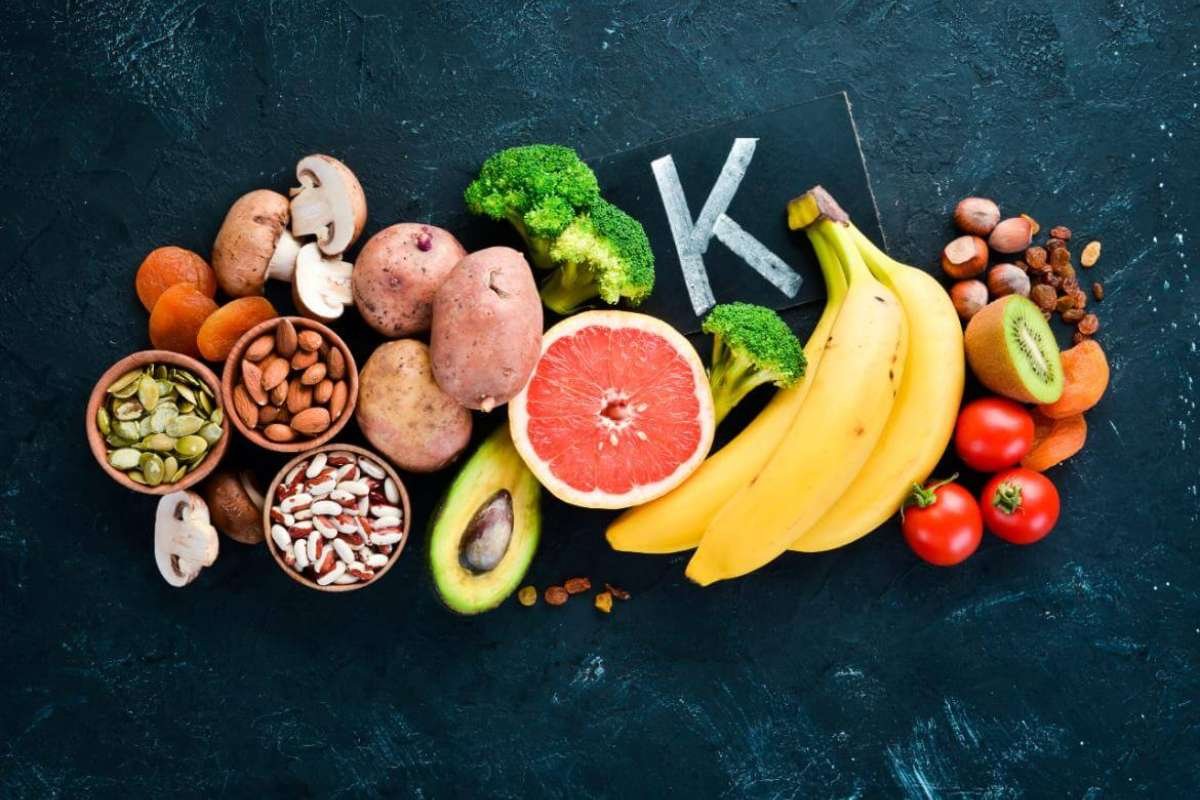
Potassium is an essential electrolyte; think of it as a natural ‘spark plug’ for your body. It helps carry the electrical signals that keep your nerves and cells working exactly as they should.
To stay healthy, your body needs a steady balance between sodium (salt) and potassium. This tug-of-war keeps your fluid levels in check and makes sure your heart keeps beating at a nice, steady rhythm.
Getting enough potassium is also a great way to help cancel out some of the negative effects that too much salt can have on your blood pressure. Keeping your potassium levels up is one of the most effective ways to protect yourself against high blood pressure and lower your risk of a stroke.
What Are the Best Potassium Rich Foods?
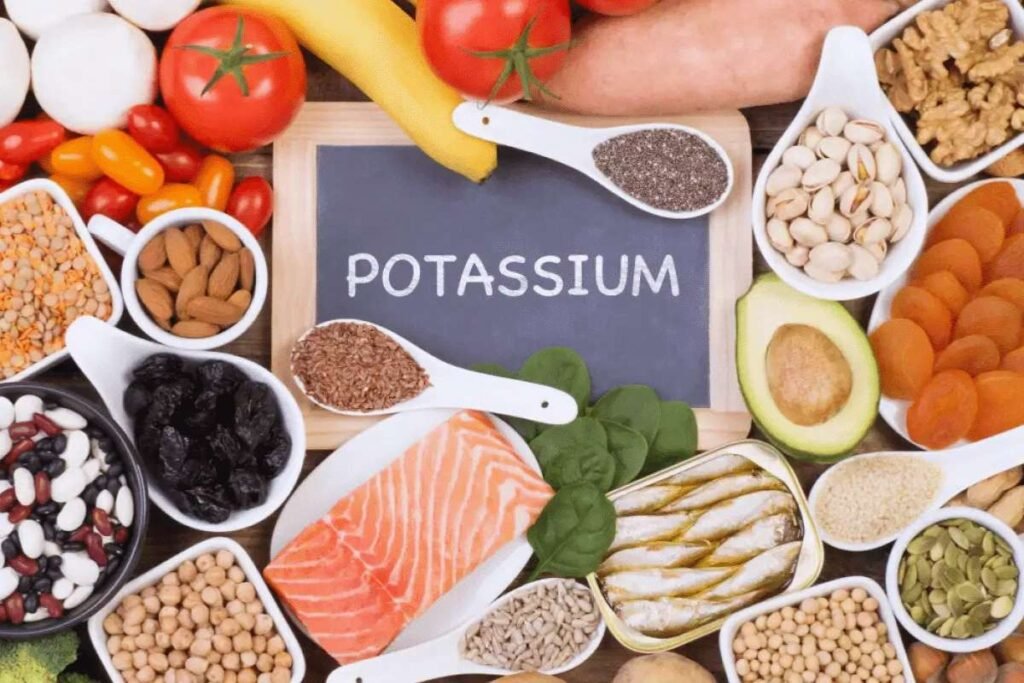
You don’t need expensive supplements to reach your daily goals. Whole foods, particularly fruits, vegetables, and lean proteins, are naturally dense in this nutrient.
To help you get started, the table below breaks down some of the best potassium-rich foods and how much you’ll find in each serving:
| Food Item | Serving Size | Approx. Potassium (mg) |
| Baked Potato (with skin) | 1 medium | 900-950 mg |
| Cooked Spinach | 1 cup | 840 mg |
| Dried Apricots | 1/2 cup | 750 mg |
| Yogurt (plain/non-fat) | 1 cup | 550 mg |
| Salmon (cooked) | 3 oz | 500 mg |
| Avocado | 1/2 fruit | 485 mg |
| Banana | 1 medium | 420 mg |
Here is a closer look at these nutrient-dense options and how to enjoy them:
- Baked Potato (with skin): A classic comfort food. Make sure to eat the skin, as that is where most of the minerals are stored. It is incredibly easy to bake, air-fry, or roast as a simple side dish.
- Cooked Spinach: This leafy green shrinks significantly when heated. While a raw bunch looks huge, you can easily stir a large volume into pasta, soups, or stir-fries to get a significant boost.
- Dried Apricots: A concentrated snack that is perfect for when you are on the move. Because they are energy-dense, a small handful goes a long way.
- Yogurt (plain/non-fat): A convenient, creamy addition to your morning routine. Choosing plain varieties allows you to control the sugar content while enjoying the benefits of both calcium and potassium.
- Salmon (cooked): This is a double-win for your heart health. Beyond the potassium, you get essential omega-3 fatty acids. Grilling or baking a fillet makes for an excellent dinner centerpiece.
- Avocado: Easy to mash onto whole-grain toast or slice into salads. They add a great creamy texture to your meals along with heart-healthy fats.
- Banana: The ultimate grab-and-go option. It is hard to beat for convenience, making it a reliable choice for a quick snack or a pre-workout boost.
Other Excellent Potassium-Rich Foods
While these foods are some of the most famous sources, your pantry and fridge likely hold many other great options. Mixing up your meals with these varieties ensures you get plenty of nutrients without getting bored.
1. Legumes and Beans:
Legumes are fantastic for heart health because they pack both protein and fiber along with their potassium. Consider adding these to your rotation:
- White beans: A true powerhouse for potassium.
- Lima beans: Excellent in soups or as a side dish.
- Kidney beans: Easy to mix into salads, chili, or tacos.
- Lentils: A quick-cooking option that works well in stews.
2. Dairy Products:
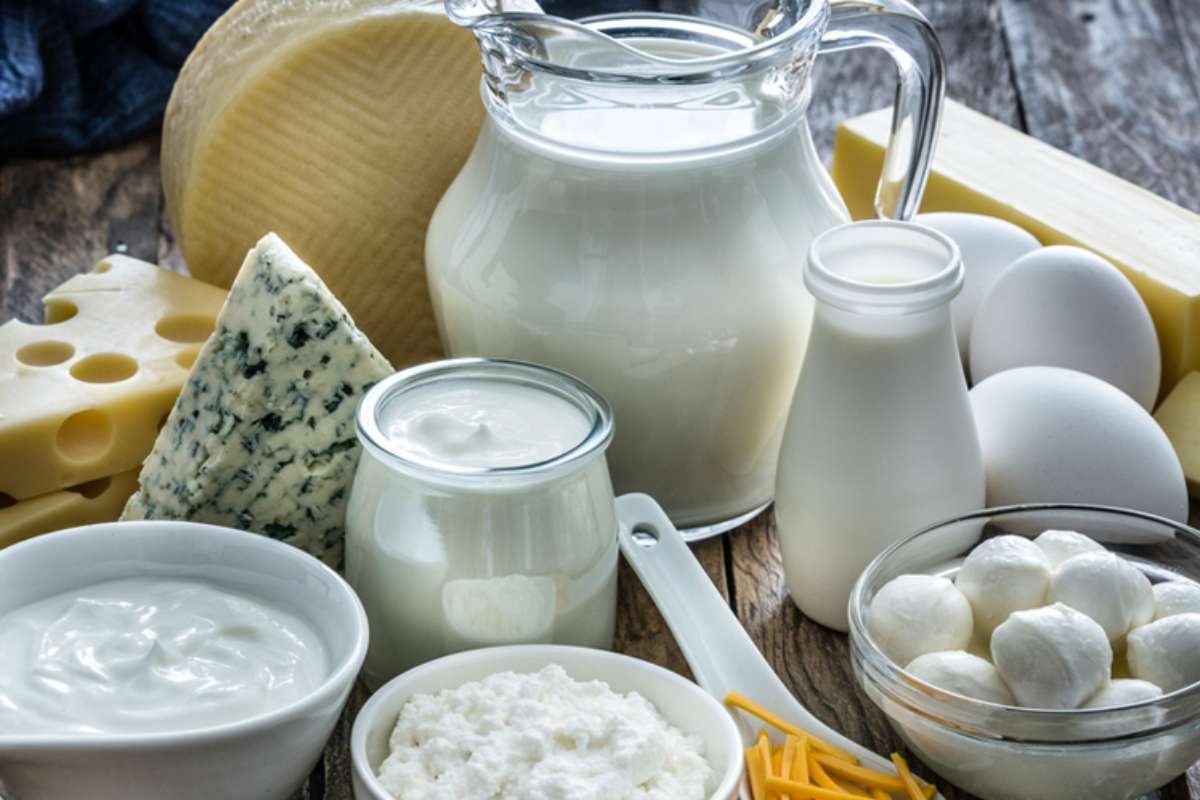
If you eat dairy, milk and yogurt are very convenient ways to keep your levels up. Beyond potassium, they provide calcium and protein to support your bones and muscles.
- Plain Greek yogurt: Great for a protein-packed breakfast.
- Low-fat milk: An easy addition to your daily coffee or smoothies.
- Buttermilk: A traditional ingredient that also contributes to your daily mineral goals.
3.Fish and Seafood:
Fatty fish are not just great for heart-healthy omega-3 fats; they are also excellent sources of potassium. Adding these to your dinner plans makes hitting your daily targets simple and delicious:
- Tuna: Convenient and versatile for salads or sandwiches.
- Halibut: A lean, nutrient-dense white fish.
- Clams: A surprising seafood source that provides a nice mineral boost.
READ MORE:
- Try These 40 Iron-Rich Foods to Feel More Active and Steady
- Eat Your Way to Wellness: 12 Everyday Foods Rich in Vitamins
How Much Potassium Do You Need Daily?
For a healthy heart, the World Health Organization suggests that adults aim for at least 3,510 mg of potassium every day.
The amount of potassium you need changes throughout your life. The National Institutes of Health (NIH) sets ‘Adequate Intake’ guidelines, which serve as a helpful target for most healthy people.
Use the table below to see the general daily targets for different age groups:
| Age Group | Daily Potassium Target (mg) |
| Infants (0–6 months) | 400 mg |
| Infants (7–12 months) | 860 mg |
| Children (1–3 years) | 2,000 mg |
| Children (4–8 years) | 2,300 mg |
| Children (9–13 years) | 2,300–2,500 mg* |
| Teens (14–18 years) | 2,300–3,000 mg* |
| Adult Men (19+ years) | 3,400 mg |
| Adult Women (19+ years) | 2,600 mg |
| Pregnant/Breastfeeding | 2,500–2,900 mg* |
Note: Ranges reflect variations based on gender and life stage. These numbers are general guidelines for healthy individuals. If you have specific health conditions, like chronic kidney disease, or take certain blood pressure medications, your doctor may recommend a different target tailored to your needs.
How Can You Integrate More Potassium Into Your Daily Meals?
Boosting your intake is simple when you focus on stacking potassium-rich foods throughout your day.
- The Double-Up Strategy: Pair multiple potassium powerhouses in one dish, like salmon served with spinach and a baked potato.
- Smart Snacking: Swap processed, salty snacks for nutrient-dense options like dried apricots or a yogurt bowl with bananas.
- Cooking Tips: Roast, steam, or microwave vegetables instead of boiling to prevent nutrients from leaching into the cooking water.
When Should You Be Cautious with Your Intake?
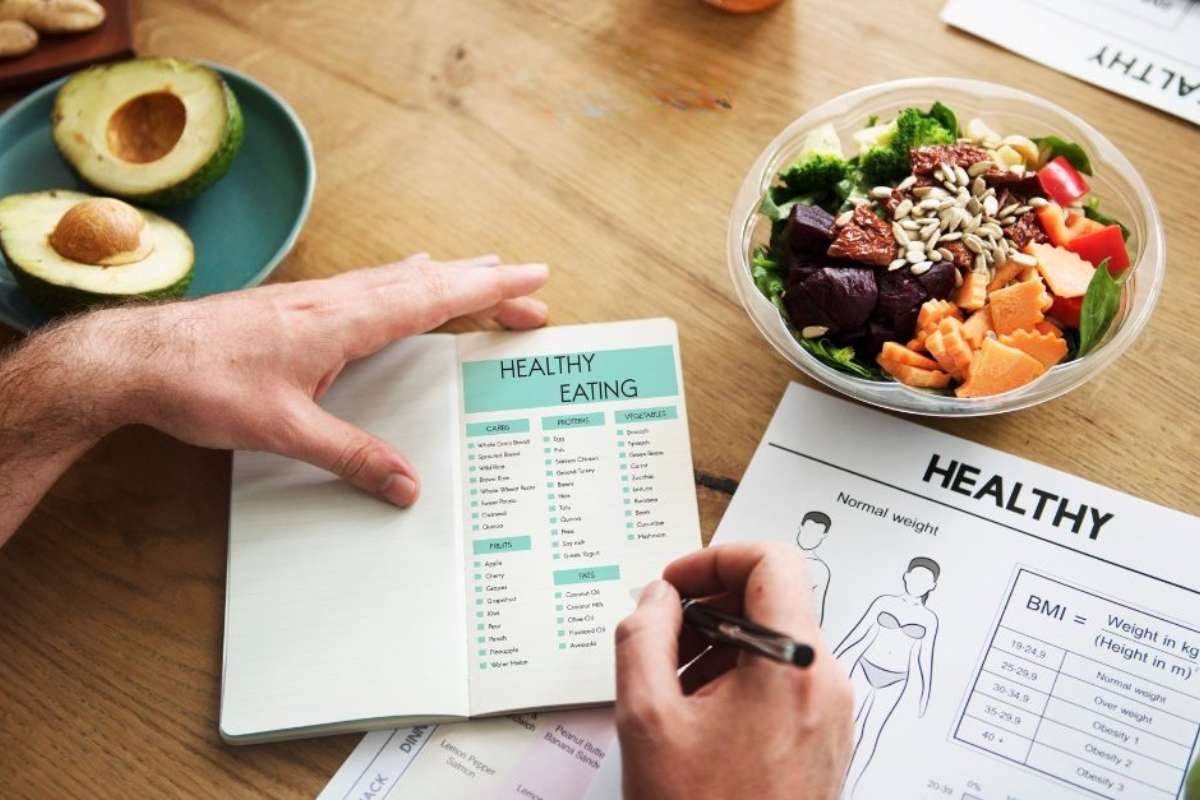
While potassium is heart-healthy for the general population, it is not one size fits all. If you have chronic kidney disease or if you take certain blood pressure medications, you should be a bit more careful about how much you get.
When your kidneys aren’t working at full capacity, they sometimes have trouble flushing out extra potassium. This can cause the mineral to build up in your blood to unsafe levels, a condition doctors call Hyperkalemia. If you are currently managing any kidney issues, please have a quick chat with your doctor or a dietitian before you start adding more potassium-rich foods to your daily routine.
Conclusion:
Improving your health doesn’t require complex meal plans or drastic lifestyle shifts. By simply incorporating a few more potassium-rich foods into your daily routine, you are taking a proactive step toward better blood pressure and long-term heart resilience.
Remember that consistency is your best tool. Whether it’s swapping a salty snack for a banana or adding a side of spinach to your dinner, these small, evidence-based choices add up over time. If you have any concerns about your kidney health or the medications you are currently taking, start the conversation with your doctor today. Your heart will thank you for the extra attention.
FAQs
1. Are supplements better than whole foods for getting potassium?
No. Health authorities, including the NIH, recommend obtaining potassium through whole foods. Whole foods provide fiber, vitamins, and minerals that work synergistically with potassium, and they carry a much lower risk of toxicity compared to high-dose supplements.
2. Does boiling vegetables remove potassium?
Yes, potassium is water-soluble. When you boil vegetables, a significant amount of the minerals leach into the water. If you discard that water, you lose the potassium. Try steaming or roasting your vegetables to retain more nutrients.
3. What are the warning signs of potassium deficiency?
Common signs of low potassium (hypokalemia) include muscle weakness, fatigue, cramps, and sometimes heart palpitations. If you experience these symptoms, it is important to see a doctor for a blood test rather than self-diagnosing, as these symptoms can also indicate other conditions.
4. Can I get too much potassium from food?
For healthy individuals with normal kidney function, it is very difficult to get too much potassium from food alone. Your kidneys are highly efficient at filtering out any excess. The risk of toxicity primarily applies to those with compromised kidney function or those taking specific medications. If you have questions about incorporating more potassium-rich foods into your diet, it is always a good idea to speak with your healthcare provider.