Key Takeaway:
- Consuming about 500 mg daily shows how Flavanols Foods reduce heart Risk, potentially lowering the chance of death from cardiovascular disease by up to 27%.
- Many people do not get enough flavanols, even when following standard fruit and vegetable intake guidelines.
- Berries, apples, plums, and green tea are among the richest sources of flavanols and may offer additional heart-health benefits.
Flavanols Foods reduce heart Risk, yet most people in the United States and the United Kingdom do not consume enough of them to gain meaningful cardiovascular benefits. A new study shows that regularly eating flavanol-rich foods can lower the risk of death from cardiovascular disease by up to 27%.
Study Finds Widespread Flavanol Shortfall
Researchers analyzed dietary data from 30,000 participants in the United States and the United Kingdom and found that most people fail to reach the recommended intake of 500 milligrams of flavanols per day.
The study, published in Food & Function, explored whether current fruit and vegetable recommendations provide sufficient flavanols to support heart health. Researchers concluded that many people still fall short of the target, reinforcing that Flavanols Foods reduce heart Risk even when general healthy eating guidelines are followed.
“Flavanols Foods reduce heart Risk, but only if you consume enough of them,” said Javier Ottaviani, lead author of the study and director of the Core Laboratory of Mars Edge.
Ottaviani said the findings suggest that the specific fruits and vegetables people choose may be as important as the total amount consumed.
The research builds on findings from the COSMOS trial, a large randomized controlled study on polyphenols. That study found that consuming 500 milligrams of flavanols daily reduced the risk of cardiovascular disease mortality by up to 27%.
Certain Foods Deliver Higher Flavanol Levels
Researchers noted that flavanols are naturally occurring compounds found in fruits, vegetables, beans, and tea, but concentrations vary widely among foods.
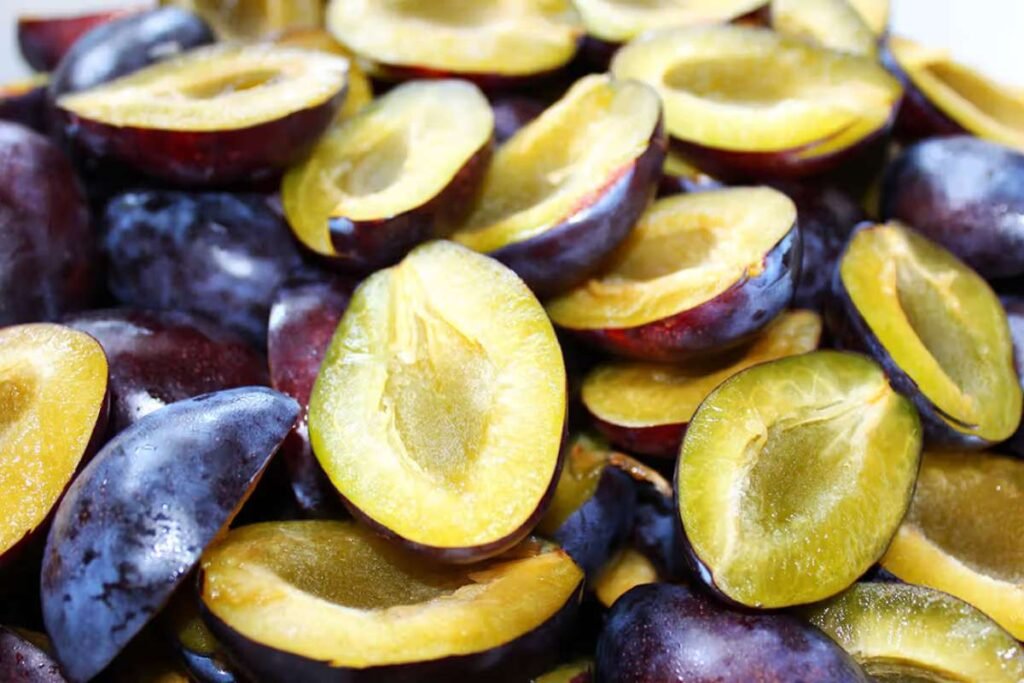
Among the foods with the highest flavanol content are plums, cranberries, blackberries, green tea, broad beans, cherries, and apples with skin. Smaller amounts are found in strawberries, blueberries, and pinto beans.
Ottaviani said simple dietary choices can help people increase their flavanol intake.
“Including a handful of blackberries, a whole apple, or having a cup of green tea alongside your meal could make a real difference to how much of these beneficial compounds you actually consume and absorb from the diet,” he said.
Health experts emphasized that the findings do not suggest replacing other fruits and vegetables with a handful of high-flavanol foods.
Experts Urge Balanced, Plant-Rich Diets
Michelle Routhenstein, a preventive cardiology dietitian who was not involved in the study, said the findings provide useful guidance for improving diet quality without focusing on a single nutrient.
“This study highlights the importance of making intentional choices within broader food groups,” Routhenstein said. “While all fruits can be part of a healthy diet, regularly selecting options like berries and apples shows how Flavanols Foods reduce heart Risk and provide added cardiovascular benefits.”
She said sustainable habits, such as adding berries to breakfast or drinking green tea regularly, may help people gradually increase flavanol intake.
Routhenstein also cautioned that many people still do not meet basic recommendations for fruit and vegetable consumption.
“Before focusing on specific flavanol targets, the priority is ensuring adequate overall produce intake,” she said.
Current Dietary Guidelines for Americans recommend two to three servings of fruits and vegetables daily, while the United Kingdom’s National Health Service recommends five portions each day.
Researchers said the latest findings may help refine dietary advice by highlighting foods that provide addition al cardiovascular benefits. However, experts agree that overall dietary patterns remain the most important factor in long-term heart health.
Visit Healthcare 360 Magazine For The Most Recent Information.