In a healthcare environment often focused on data, procedures, and technology, there are still physicians who prioritize the personal connection between doctor and patient. These doctors emphasize trust, empathy, and meaningful dialogue, recognizing that medicine is not just about treating symptoms but understanding the full experience of illness and healing. They approach their work as a continuing conversation that respects the hopes, fears, and unique stories of those they care for.
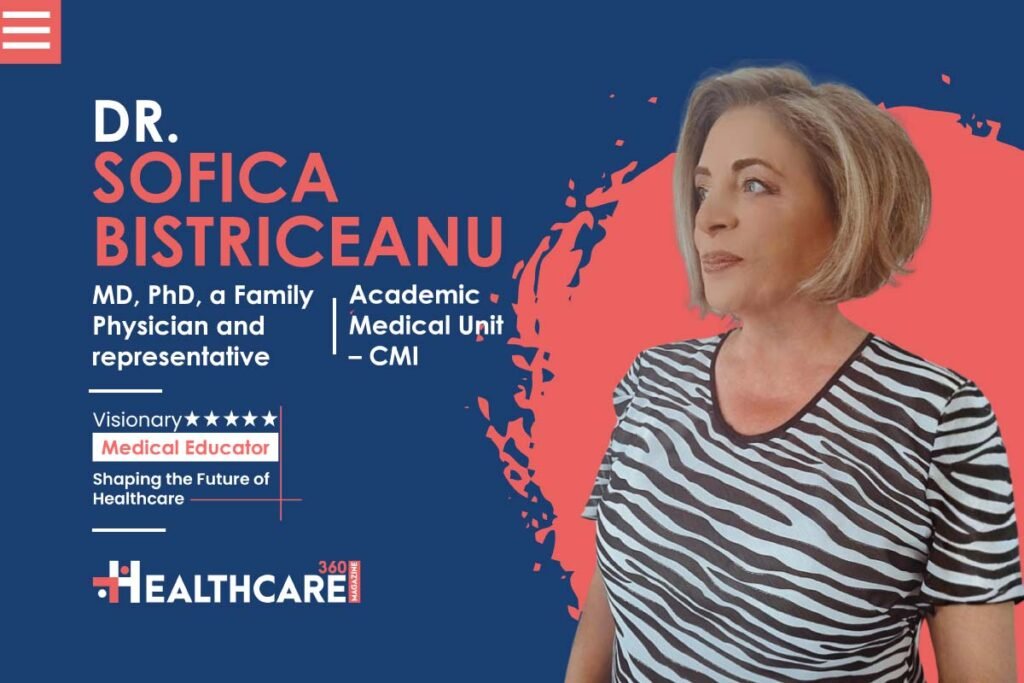
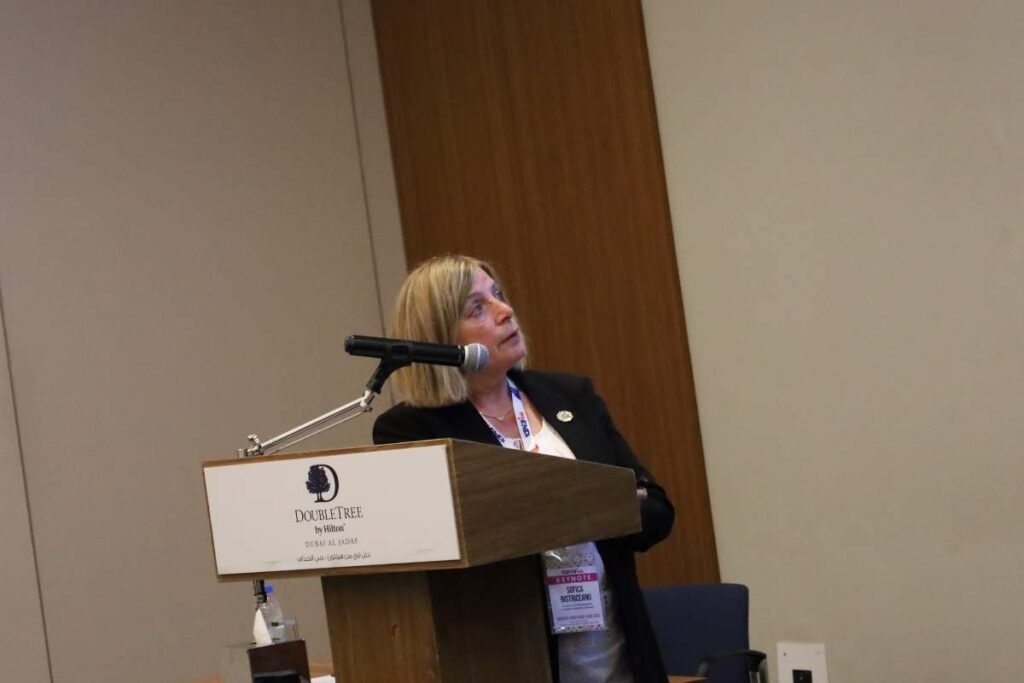
Dr. Sofica C. Bistriceanu, MD, PhD, a Family Physician and representative of the Academic Medical Unit – CMI in Neamt, Romania, is one such physician. She graduated from Iasi University and completed specialized research training in family medicine at Maastricht University. Dr. Bistriceanu has presented on a range of topics at more than 140 international meetings and has been active in primary care and healthcare organizations across Europe, the Americas, and Asia.
She also contributes as a member of the Editorial Review Board of The Journal of Patient Experience, serves as Associate Editor for PriMera Scientific, and is a member of the Academy for Professionalism in Health Care. In addition to her medical work, she has published seven volumes of poetry, combining her clinical knowledge with a deep humanistic perspective.
Blending Science, Judgment, and Human Care
Dr. Sofica Bistriceanu states, “Human construction invites contemplation of its beauty, complexity, and uncertainty.” Medicine offers advanced knowledge about how the human body functions, and saving a life is considered one of the most important achievements a physician can accomplish. She emphasizes that new insights aimed at improving clinical practice are not forced upon healthcare professionals; instead, they carefully select and apply the information that best suits their needs. The establishment of the Academic Medical Unit – CMI Dr. Bistriceanu, S., on February 13, 2013, marked a significant milestone and reflected numerous achievements.
Rethinking Care Through the Medical Home Approach
People differ in their origins, including genetics, education, and relationships.Dr. Bistriceanu believes that excessive tolerance for others’ inappropriate behavior can disrupt the balance in humans. She suggests that it is better to carefully choose collaborators. In 2008, she decided to work independently and shifted medical care from the traditional office setting to patients’ homes, creating a new model known as the medical home. Visiting patients in their own environments and having uninterrupted conversations with them and their families gave her valuable insights into how diseases begin and progress. She has shared these insights with the global medical community for further reflection.
She notes, “Working in a friendly environment with honest, respectful, and kind people boosts work efficiency, creativity, and personal well-being.” This experience has reinforced the importance of a supportive and respectful workplace for both professional success and personal health.
The Role of Feedback in Improving Medical Education
Dr. Sofica Bistriceanu emphasizes that feedback is an essential component for the ongoing improvement of educational programs at local, regional, and national levels. Typically, surveys assess participants’ knowledge before and after the program to measure learning progress, evaluate instructor effectiveness in terms of clarity and engagement, review the suitability of the learning environment and materials, and determine if the program’s duration is appropriate. Learners are also asked whether they would attend similar events in the future.
For international meetings, participant testimonials offer valuable insights into the program’s quality and their willingness to continue collaborating with organizers. By analyzing this feedback, educators can evaluate their teaching performance and identify areas for enhancement.
Additionally, AI-driven voice analysis is used to interpret the emotions of both learners and instructors, translating their sentiments into indicators of satisfaction or dissatisfaction. This innovative method helps refine educational programs to better meet the needs of all participants.
Such a structured and reflective feedback process ensures that medical education remains effective, relevant, and continuously evolving to support learners’ success.

A Different Approach to Medical Learning and Research
What sets the Academic Medical Unit – CMI apart from other medical education institutions is captured in the saying, ‘All come in greatness and pass on!’
Traditional institutions have evolved significantly in the digital era. In-person courses are increasingly replaced by online learning, and student evaluations are now conducted digitally. Many new institutions function primarily as online platforms for producing, storing, and sharing information.
What distinguishes an Academic Medical Unit – CMI is its commitment to active research, teaching, and leadership by individuals with academic degrees. This combination sets it apart from a standard CMI.
Dr. Bistriceanu emphasizes that a physician with advanced knowledge of human functioning who observes patients in their own environments and considers how external factors influence their lives can develop valuable new insights into how diseases begin and progress. These insights are then shared with the broader medical community. Importantly, each healthcare professional selects from available solutions those that best address the specific challenges they face in clinical practice.
This approach reflects Dr. Bistriceanu’s unique training model, which integrates scientific rigor with a deep understanding of the patient’s lived experience, fostering meaningful communication and personalized care.
Compassion as a Foundation of Quality Care
“Beyond teaching knowledge and skills, medical education must also nurture values such as compassion, ethics, and patient-centered care.” Dr. Sofica Bistriceanu explains. Drawing on decades of clinical experience, she shares comparative data from practice that highlight how different levels of compassion affect not only patients but also their families, communities, and even the healthcare provider’s career, finances, creativity, and personal well-being. She emphasizes that ethical guidance during difficult situations and adherence to medical guidelines are essential components of professional practice. Importantly, these insights are presented for reflection rather than imposed, encouraging medical professionals to thoughtfully analyze the information and apply it independently while respecting the fundamental rules of the profession.
This approach fosters the development of compassionate, ethical, and patient-focused physicians who balance scientific knowledge with humanistic values, ensuring they provide care that respects the dignity and needs of those they serve.

Dr. Bistriceanu’s CMI Partnerships
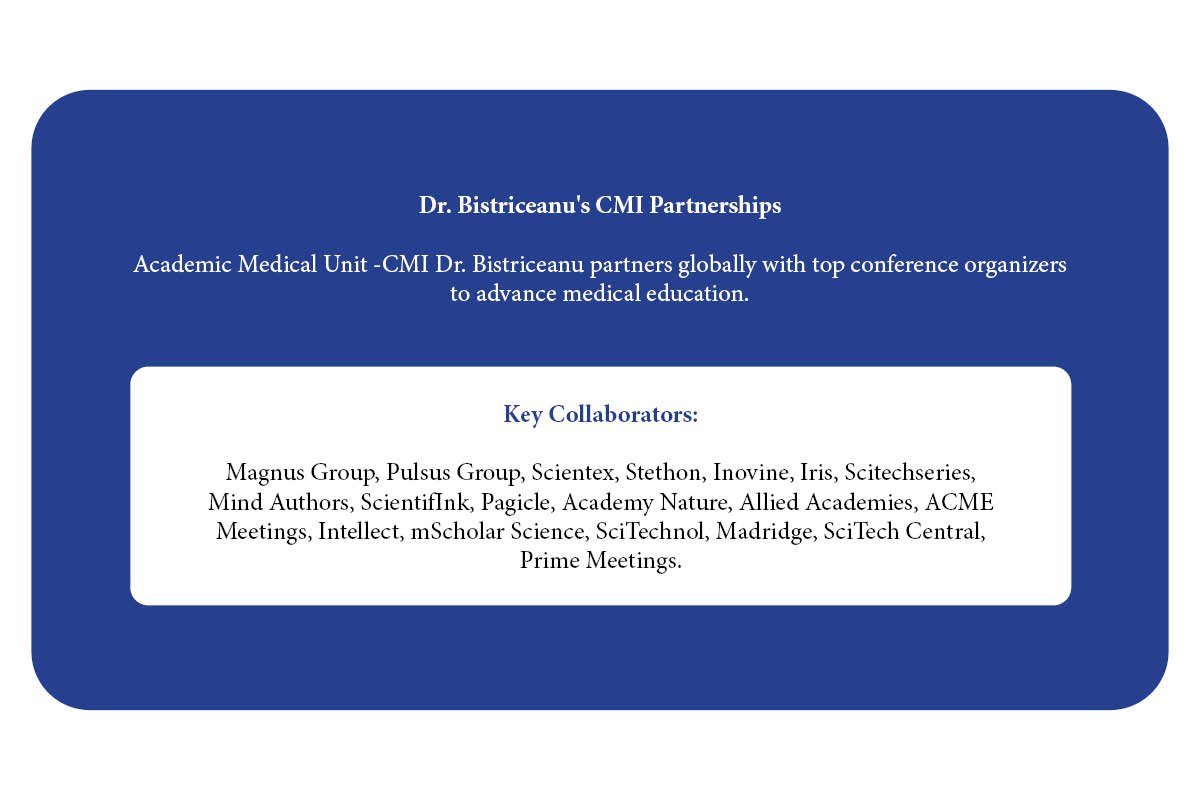
Academic Medical Unit -CMI Dr. Bistriceanu partners globally with top conference organizers to advance medical education.
Key Collaborators
Magnus Group, Pulsus Group, Scientex, Stethon, Inovine, Iris, Scitechseries, Mind Authors, ScientifInk, Pagicle, Academy Nature, Allied Academies, ACME Meetings, Intellect, mScholar Science, SciTechnol, Madridge, SciTech Central, Prime Meetings.
Honors That Reflect Impact and Innovation
Dr. Sofica Bistriceanu and her institution earned widespread recognition in 2026, reinforcing their strong reputation in healthcare. She was honored with the Arabia Business Trophy as the “Brilliant Mind: Most Inspirational & Influential Woman Leader to Watch in 2026.” and received the CXO Time Trophy for “Best in Class – Illuminating the Path with Visionary Brilliance.” At the Global Excellence & Leadership Awards in Dubai, Insights Success, she was presented with the Excellence in Primary Care Award for her impactful contributions to healthcare and improving lives.
Her work also gained recognition from Passionate Magazine, which described her journey as “Excellence Unleashed, Boundaries Broken!” and honored her with the title of “World’s Most Remarkable and Passionate Woman Leader of the Year 2026,” further underscoring her dynamic leadership and unwavering commitment to innovation.
Her leadership and influence have also been highlighted in several prestigious platforms. She was featured in the Hall of Fame Spotlight by The Women Globe as one of the Inspiring Women Leaders Making a Difference and named among The Most Iconic Women Entrepreneurs to Watch in 2026. The Inc Magazine recognized her as a Power Player for her innovative approach to healthcare leadership and empathetic communication. Additionally, she appeared on the CEO Scoop Disruptor 50 list and was listed among the “10 Business Women to Watch in 2026” by The Women’s Stories. MSN LittleTechGirl also named her one of 2026’s leading icons redefining leadership excellence.
Further strengthening her profile, CIO Look Media recognized Dr. Bistriceanu as a Most Admired Leader to Watch in 2026, with Managing Editor Prince Bolton describing her as “The Doctor Redefining What Care Truly Means,” highlighting the profound impact of her philosophy on both student success and healthcare transformation.
These honors collectively reflect Dr. Bistriceanu’s exceptional leadership and the growing influence of her institution in advancing healthcare worldwide.


Technology-Driven Advances in Medical Education
Emerging technologies like AI, telemedicine, and digital simulations are transforming how medical education is delivered. Dr. Bistriceanu notes that advancements in information technology are changing the teaching process. Telemedicine plays a crucial role in reducing physician burnout and helps address the shortage of healthcare professionals. Additionally, virtual assistants can provide valuable information and support to learners and patients during training and challenging situations.
By embracing these innovations, the Academic Medical Unit – CMI is preparing to enhance education and healthcare delivery in a rapidly evolving digital landscape.
How Hybrid Education Is Shaping Healthcare Professionals?
Dr. Sofica Bistriceanu highlights that the future of medical education is shaped by the need for continuous learning, supported by a flexible and hybrid approach. In today’s digital era, medical professionals update their knowledge through a combination of classroom instruction, on-demand online courses, and conferences. These educational activities vary in scale, taking place at local, regional, national, or international levels.
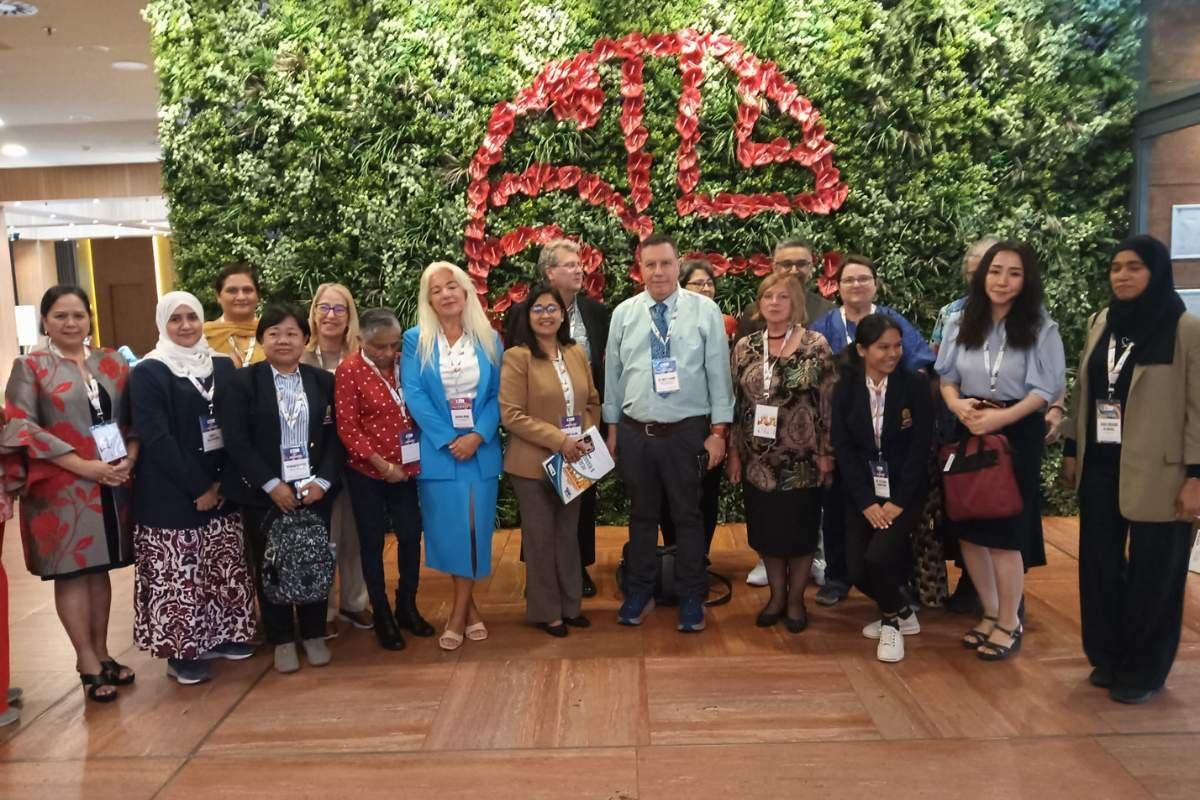
International meetings bring together a diverse group of participants, including hospital staff, academic leaders, business executives, researchers, association members, and students. These gatherings provide a platform to present new research and discuss its potential impact on human health, finances, quality of life, and life expectancy.
This collaborative and multi-level approach to education, combining technology with diverse expertise, is driving the evolution of medical training and preparing healthcare professionals to meet future challenges effectively.