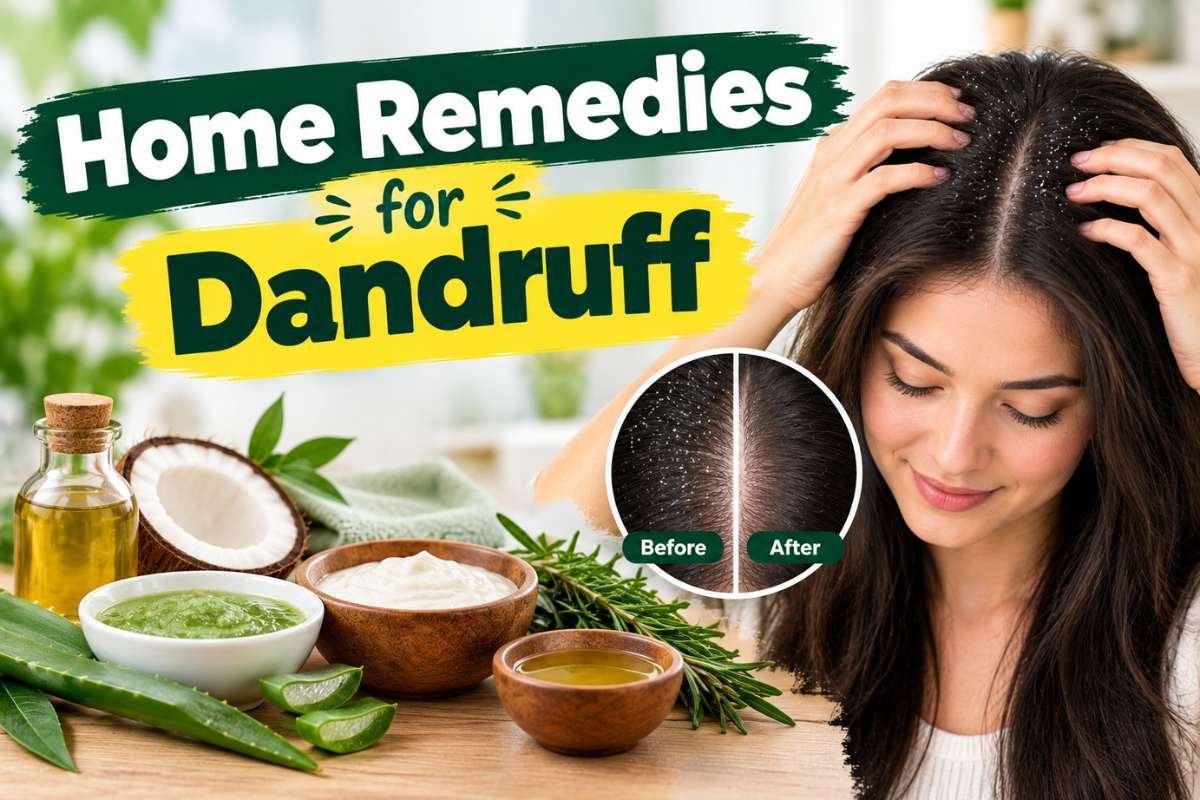
Nearly 50% of adults deal with dandruff at some point. Yet most reach for the same kitchen-cabinet fixes without knowing whether they actually work. If you’re looking for home remedies for dandruff, start by choosing options that are gentle on the scalp. Instead of assuming every ingredient people swear by is safe or effective. Dry scalp and dandruff can look similar, but they aren’t necessarily the same problem. Recurring flakes and itching don’t always share one root cause. So a remedy that calms one scalp can irritate another. Some popular fixes have real evidence behind them. Others are simply tradition dressed up as science, and “natural” doesn’t guarantee “safe.”
This guide breaks down which home remedies for dandruff are worth trying, the irritation risks they carry, and how to tell the difference before experimenting on your scalp.
15 Home Remedies for Dandruff Along with Scalp-Care Habits
Dandruff is common and usually manageable with the right scalp-care habits and, when needed, medicated shampoos. These 15 home-focused strategies range from remedies with limited clinical evidence to everyday scalp-care habits that may help reduce irritation, buildup, and discomfort.
1. Tea Tree Oil
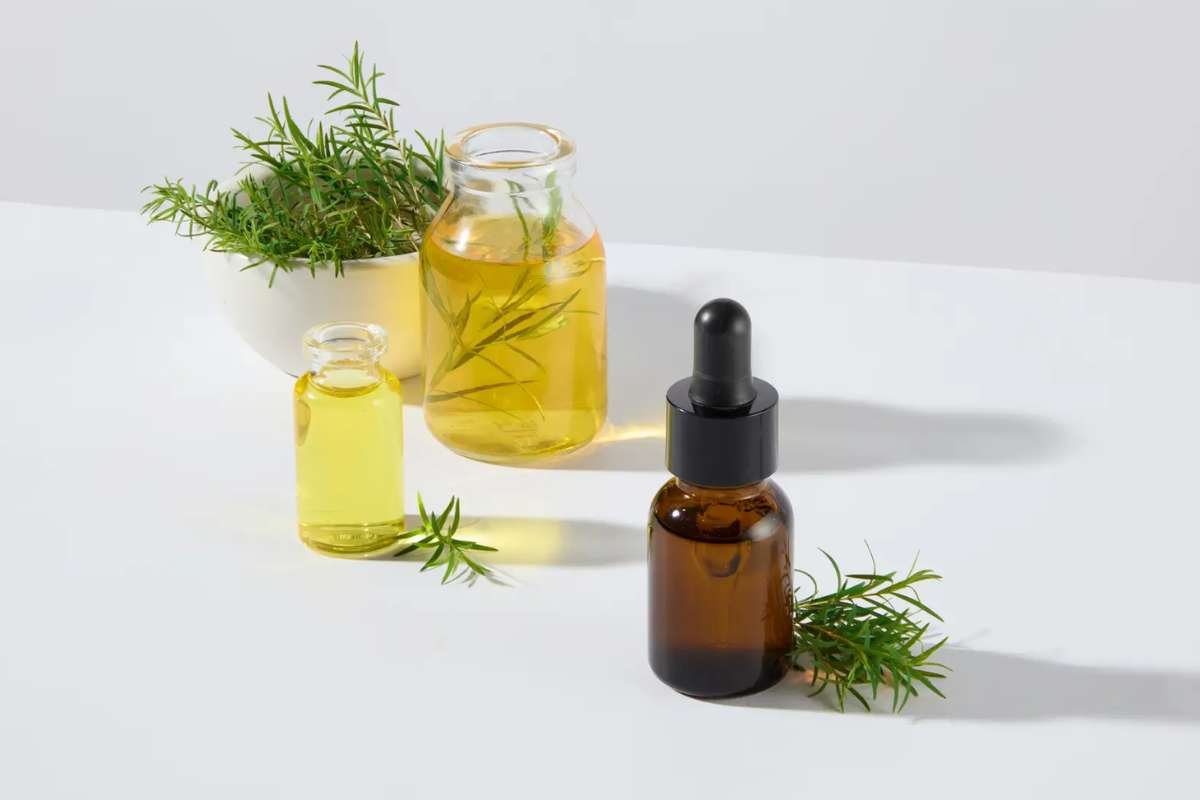
- Why it’s commonly used: Tea tree oil is popular for its antimicrobial and antifungal properties, which may help calm an itchy, flaky scalp.
- Evidence: One randomized trial found a 5% tea tree oil shampoo improved dandruff severity and itch over 4 weeks versus placebo.
- Limitations: Research is limited to specific shampoo formulations; results don’t automatically apply to neat oil or DIY mixes.
- Use safely: Always dilute or choose a ready-made product; patch-test first to avoid irritation or allergy.
2. Coconut Oil
- Why people use it: Coconut oil can moisturize a dry scalp and may support the skin barrier and scalp microbiome.
- Evidence: Healthline notes some evidence for hydration and barrier benefits, but more research is needed for dandruff specifically.
- Best for: Dryness-related flaking rather than assuming it treats every type of dandruff.
- Caution: It’s not a proven antifungal cure; avoid heavy leave-ons if your scalp is oily or prone to buildup.
3. Aloe Vera
- Why people use it: Aloe vera may soothe and moisturize irritated skin, which can help when dryness or redness accompanies flakes.
- Evidence: Data for dandruff specifically are limited. Benefits are more plausible for calming irritation than clearing seborrheic dermatitis.
- How to try: Use a pure, fragrance-free gel on the scalp for short periods, then rinse.
Also Read: Natural Home Remedies For Migraines You Need To Know
4. Diluted Apple Cider Vinegar
- Why people use it: ACV is used to help loosen scale and balance scalp pH.
- Evidence: Scientific studies supporting ACV for dandruff are lacking; topical ACV has caused irritation in some reports.
- Use safely: If you choose to use it, dilute it substantially, avoid the eyes, and stop immediately if it burns or stings.
5. Neem
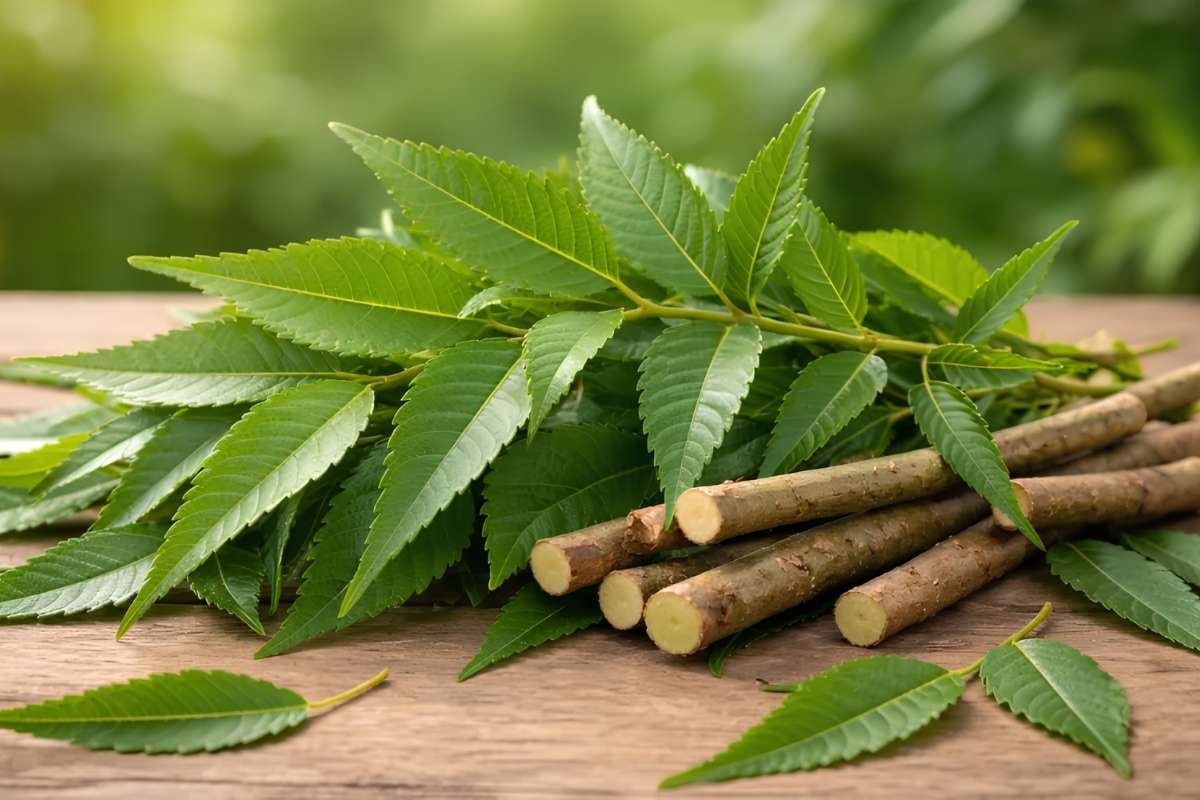
- Why people use it: Neem has traditional use in scalp care and shows antimicrobial activity in lab studies.
- Evidence: Direct clinical evidence for dandruff is limited; avoid presenting it as a proven treatment.
- Use safely: Patch-test first; discontinue if you notice redness or itching.
6. Fenugreek
- Why people use it: Fenugreek seeds are used in traditional hair routines for scalp comfort and shine.
- Evidence: Dandruff-specific evidence is limited; benefits are mostly anecdotal.
- Use safely: Patch-test before topical use; avoid if you have legume allergies.
7. Gentle Scalp Cleansing
- Why it helps: Regular washing suited to your hair type removes excess oil and product buildup that can worsen flaking.
- How to do it: Lather dandruff shampoo on the scalp, leave for the label’s contact time (often 5–10 minutes), then rinse well.
- Tips: Avoid aggressive scratching; choose a washing frequency that suits your scalp and hair type, following the instructions for any medicated shampoo you use.
8. Avoiding Product Buildup
- Why it helps: Heavy styling products and inadequate rinsing can trap oil and irritate the scalp.
- What to change: Rotate lighter products, rinse thoroughly, and consider switching away from fragranced or irritating formulas if your scalp is sensitive.
9. Stress Management
- Why it helps: Stress may contribute to flare-ups for some people, so calming habits can be supportive.
- Reality check: Useful as a supportive habit, not a standalone dandruff cure.
10. Omega-3-Rich Foods
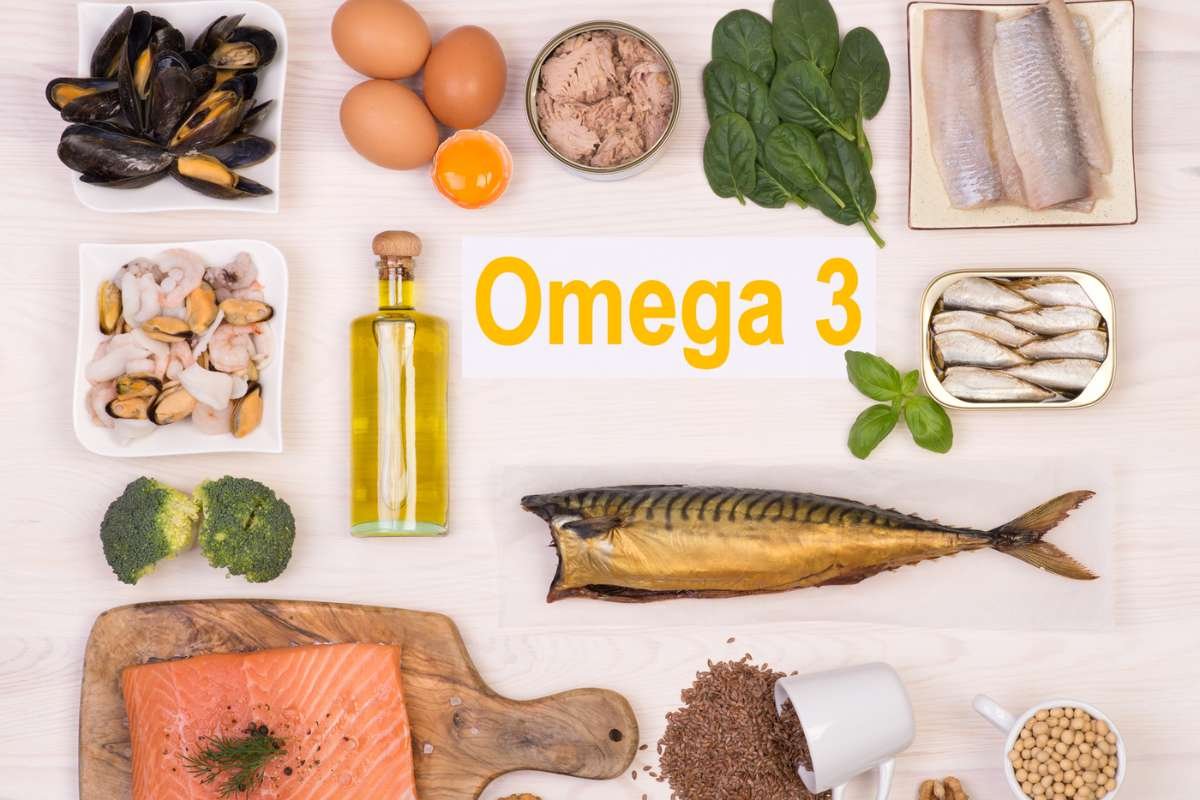
- Why they help: Omega-3s from fish, walnuts, flax, and chia support overall skin health and inflammation balance.
- Positioning: Think of this as general nutrition, not a direct dandruff treatment.
11. Balanced Diet
- Why it helps: Adequate protein, vitamins, and minerals support healthy skin turnover and barrier function.
- Caution: Avoid claiming that eliminating a particular food group cures dandruff; focus on variety and adequacy.
12. Staying Hydrated
- Why it helps: Hydration supports general skin health and comfort.
- Caution: Don’t present hydration as a dandruff cure. It’s one piece of overall care.
13. Keeping the Scalp Cool and Comfortable
- Why it helps: Heat and sweat can aggravate discomfort and oiliness for some people.
- Practical steps: Limit very hot water, reduce high-heat styling, and choose breathable headwear.
14. Washing After Heavy Sweating
- Why it helps: Sweat and oil can make the scalp feel itchy or greasy, especially after workouts.
- Focus: Keep the emphasis on scalp hygiene and gentle cleansing rather than “removing fungus.”
15. Gentle Scalp Care

- Why it helps: Picking or harsh exfoliation can inflame the scalp and worsen flaking.
- What to do: Avoid scraping flakes, skip harsh scrubs, and choose fragrance-free, gentle products if your scalp is sensitive.
Also Read: 7 Effective Home Remedies for Heartburn: Restore Comfort Without Medications
How to Choose the Right Remedy for Your Scalp
Use this quick guide to match your scalp type with the safest, most useful approach.
| If your scalp is… | Consider… | Be cautious with… |
| Dry and tight | Gentle cleansing; light, fragrance‑free moisturizers on the scalp | Harsh scrubs, strong acids, undiluted essential oils |
| Oily with recurring flakes | Consistent use of evidence‑based dandruff shampoos (e.g., zinc pyrithione, selenium sulfide, ketoconazole) | Heavy oiling and thick leave‑on masks that can worsen buildup |
| Itchy or irritated | Soothing, fragrance‑free products; short contact times; cool rinses | Vinegar, baking soda, and essential oils that can sting or trigger an allergy |
| Sensitive | Patch‑testing new products; simple formulas with few ingredients | DIY acidic/essential‑oil treatments and highly fragranced products |
| Persistently flaky | A structured plan with medicated shampoos and, if needed, a dermatologist visit | Repeatedly switching Home Remedies for Dandruff without giving treatments enough time to work. |
When home care is enough and when it isn’t
Gentle habits and over-the-counter anti-dandruff shampoos work well for mild, occasional flaking without pain or redness. However, if you notice thick crusts, oozing, bleeding, or symptoms persisting past 2–4 weeks, it’s time to consult a doctor to rule out seborrheic dermatitis, psoriasis, or scalp infections.
“If standard dandruff shampoo fails after two to four weeks, or if your scalp becomes red, itchy, or swollen, stop guessing and see a dermatologist. Persistent flaking often points to conditions like seborrheic dermatitis or psoriasis, which require prescription-strength treatments.” – Dr. Joshua Zeichner, MD, Board-Certified Dermatologist.
DIY Dandruff Remedies to Use With Caution
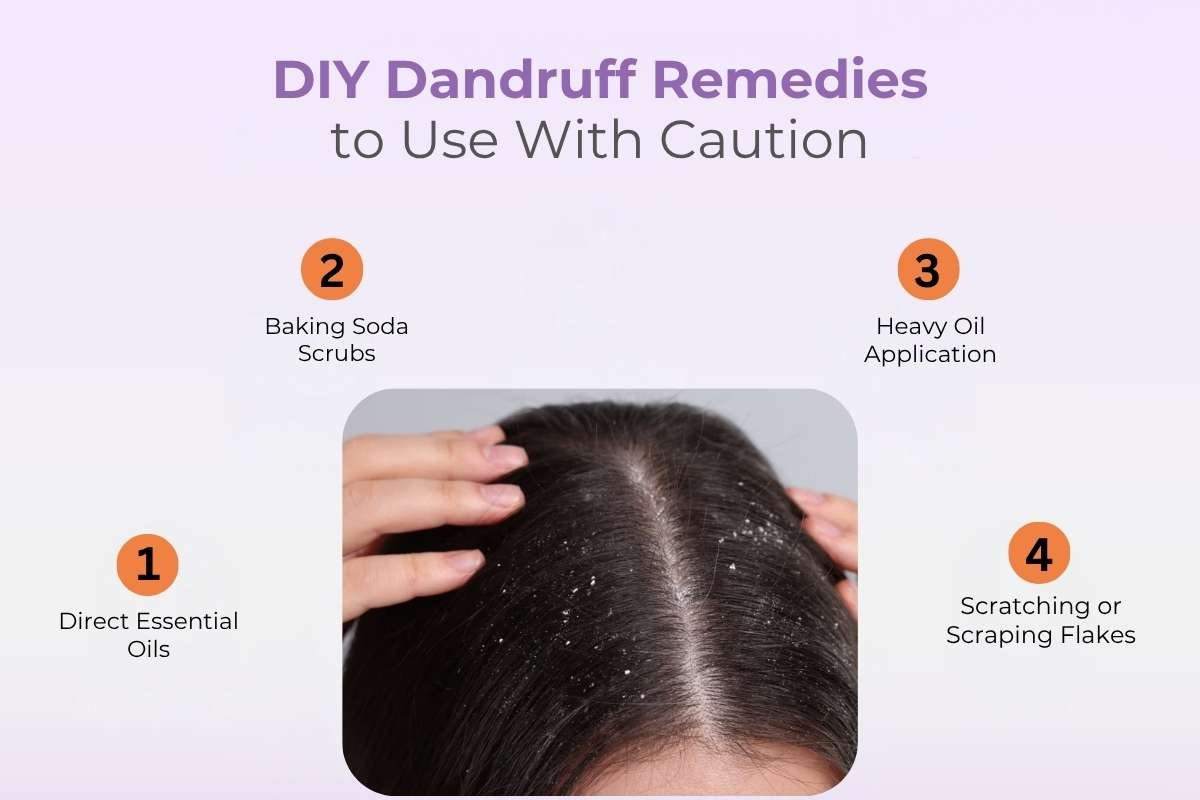
“Natural” describes the source of an ingredient, not its safety or effectiveness. Many home remedies for dandruff can irritate or worsen a sensitive scalp if used incorrectly.
Direct Essential Oils
Essential oils (including tea tree, lavender, and peppermint) can trigger allergic contact dermatitis or irritation, especially when applied undiluted. Patch-test first and always dilute in a carrier oil or use a ready-made product.
Baking Soda Scrubs
Baking soda is alkaline and abrasive; aggressive scrubbing can disrupt the scalp barrier and worsen flaking and itching. Avoid harsh mechanical exfoliation on an already sensitive scalp.
Heavy Oil Application
Oil isn’t automatically appropriate for every type of dandruff; heavy leave‑ons can trap sweat and product, worsening oily, flaky scalps. Use light amounts and focus on evidence‑based dandruff treatments if flakes are recurrent.
Scratching or Scraping Flakes
Picking or scraping flakes can damage the skin, increase inflammation, and raise the risk of infection. Keep nails short and use gentle cleansing instead of forceful removal.
Key takeaway: Start with gentle, fragrance‑free products and proven dandruff shampoos. Add DIY remedies cautiously, with patch testing and proper dilution.
When Home Remedies Aren’t Enough
Home care may not be enough when dandruff persists despite consistent use of gentle cleansing and evidence-based shampoos, or when itching is severe. Seek professional evaluation:
- If the scalp becomes red, swollen, or painful.
- If sores or crusting develop.
- If there is significant hair loss.
- If flakes extend to the eyebrows, ears, or other facial areas.
- If symptoms repeatedly return after clearing.
Many home remedies for dandruff are reasonable for mild, occasional flaking, but they have limits when inflammation or infection is present.
In these cases, clinicians and pharmacists often recommend medicated shampoos with proven actives such as ketoconazole, selenium sulfide, salicylic acid, and zinc pyrithione (where available). Other prescription options are tailored to the diagnosis. The goal is to calm scale and itch, reduce yeast overgrowth when relevant, and restore a healthier scalp barrier. If over-the-counter dandruff shampoos haven’t helped after several weeks of correct use. A healthcare professional can confirm the cause and adjust treatment.
Conclusion:
Dandruff is common, manageable, and rarely a sign of anything serious. But not every fix belongs on your scalp. The most effective home remedies for dandruff are the ones matched to your scalp type, used with patience, and backed by at least some real evidence. Whether that’s a zinc pyrithione shampoo or a well-diluted tea tree oil rinse. Skip the harsh scrubs, undiluted vinegar, and aggressive scratching that promise quick fixes but often leave your scalp worse off. Give any remedy a few consistent weeks before judging it, and don’t ignore redness, crusting, or flakes that won’t budge.
Start gentle, stay consistent, and let your scalp’s response guide your next step.
FAQ:
1. What are the best home remedies for dandruff?
There isn’t one remedy that works for everyone. Coconut oil or aloe vera may help with dryness, while persistent dandruff may require an evidence-based dandruff shampoo.
2. Can I permanently get rid of dandruff at home?
Home remedies may reduce symptoms, but recurring dandruff often requires ongoing scalp care or medicated treatment.
3. Is apple cider vinegar good for dandruff?
Evidence is limited, and undiluted vinegar can irritate the scalp. If used, it should be appropriately diluted.
4. How long do home remedies take to work?
There is no universal timeline. If symptoms aren’t improving with consistent, gentle care, consider an OTC dandruff treatment or professional advice.
5. Can coconut oil remove dandruff?
Coconut oil may moisturize the scalp and support the skin barrier, but it shouldn’t be considered a guaranteed dandruff treatment.