Key Takeaway:
- Legumes and Flaxseed Better Cholesterol results show that they may lower LDL (“bad”) cholesterol as effectively as, or even better than, oats when consumed regularly.
- Replacing red meat with plant-based proteins such as lentils, beans, and soy foods can support long-term heart health.
- Gradually increasing fiber intake from foods like oats, legumes, nuts, and seeds may help reduce cholesterol and heart disease risk.
Legumes and Flaxseed Better Cholesterol may provide stronger benefits than oats in lowering LDL, or “bad,” cholesterol. This offers millions of adults at risk of heart disease additional dietary options that improve nutrition and reduce inflammation.
Legumes And Flaxseed Emerge As Strong Cholesterol Fighters
High cholesterol affects roughly half of adults in the United Kingdom and is linked to the buildup of fatty deposits in arteries, increasing the risk of heart disease and stroke.
While oats remain one of the most commonly recommended foods for lowering LDL cholesterol, physician and health expert Dr. Naheed Ali said that other foods may provide equal or greater benefits when consistently included in a healthy diet.
“Lowering LDL cholesterol is not about finding a single superfood,” Ali told GB News. “It is about building consistent habits around foods that support better cholesterol management and reduce inflammation.”
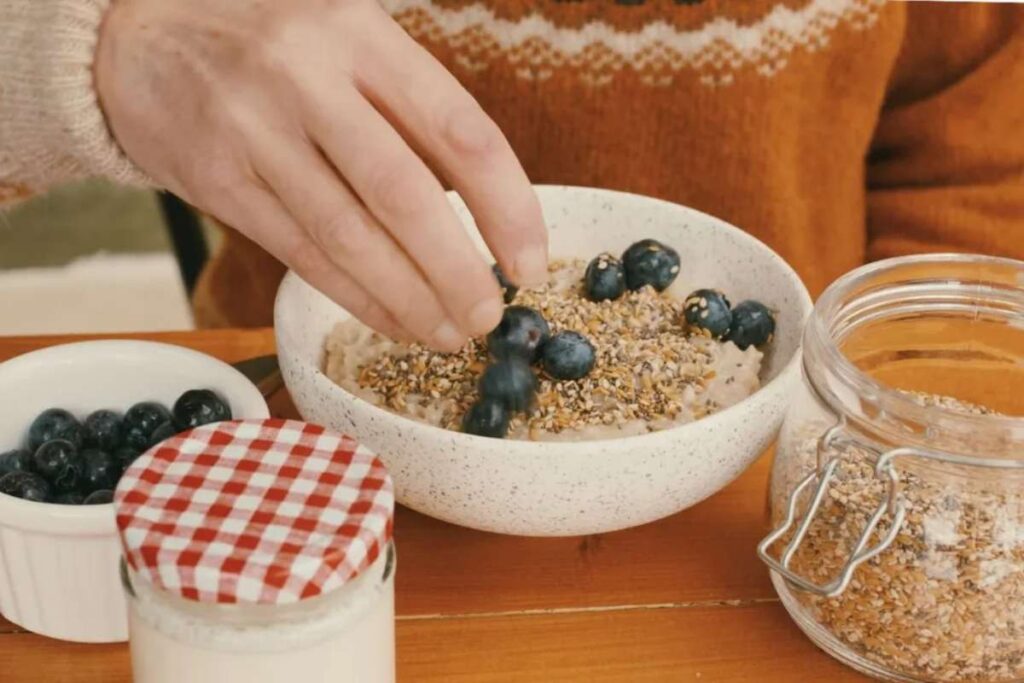
Ali highlighted legumes, including lentils, black beans, and chickpeas, as particularly effective because they contain soluble fiber and plant compounds associated with lower cholesterol levels. He also pointed to ground flaxseed, which combines fiber, omega-3 fatty acids, and lignans that support heart health.
Plant-Based Proteins Offer Additional Benefits
Ali encouraged people to replace some animal-based proteins with soy products such as tofu, tempeh, and edamame.
Research has shown soy protein produces a modest but measurable reduction in LDL cholesterol, he said. Replacing a beef-based meal with legumes may deliver greater long-term benefits than many consumers expect.
Ali also recommended roasted chickpeas and walnuts as heart-healthy snack choices. Roasted chickpeas provide fiber and plant protein without saturated fat, while walnuts contain unsaturated fats that researchers have linked to healthier cholesterol profiles.
Ali said that Legumes and Flaxseed Better Cholesterol highlights how focusing on fiber-rich plants, legumes, nuts, and seeds can lead to meaningful reductions in cholesterol levels over time.
Research Supports Soluble Fiber’s Role In Heart Health
Health experts continue to recommend oats because they are rich in soluble fiber, which forms a gel-like substance in the digestive tract. The fiber binds to cholesterol-rich bile acids and helps prevent cholesterol from being reabsorbed into the bloodstream.
Other foods rich in soluble fiber include barley and apples.
According to research published in Current Atherosclerosis Reports, consuming five to 10 grams or more of soluble fiber daily may reduce LDL cholesterol by about 5% to 10% and is associated with a lower risk of coronary heart disease.
Nutrition experts caution that people shifting toward more plant-based eating should pay attention to nutrients commonly found in animal products, including iron, zinc, and vitamin B12. Those nutrients can be obtained through fortified cereals, soy products, beans, lentils, and chickpeas.
Experts also advise increasing fiber intake gradually rather than making sudden dietary changes. A rapid increase in fiber consumption can cause digestive discomfort, while adequate hydration may help the body adjust.
Heart disease remains one of the leading causes of death worldwide, and health professionals continue to emphasize diet, exercise, and other lifestyle changes as key tools for reducing cardiovascular risk.
Visit Healthcare 360 Magazine For The Most Recent Information.