Key takeaway:
- Millions of eligible Medicare beneficiaries can now access GLP-1 weight-loss medications for $50 per month through the temporary Medicare GLP-1 Bridge program.
- Studies show GLP-1 drugs are effective for older adults, but experts recommend careful medical supervision because of dehydration, muscle loss and gastrointestinal side effects.
- Doctors advise older adults to stay hydrated, eat enough protein, exercise regularly and focus on improving overall health and mobility rather than achieving a specific weight.
Millions of Medicare-eligible adults can begin accessing discounted GLP-1 weight-loss medications Wednesday through the new medicare GLP-1 bridge program, but physicians caution older adults to carefully weigh the potential benefits against the risks and to seek close medical supervision.
Medicare Pilot Broadens Access to Weight-Loss Drugs
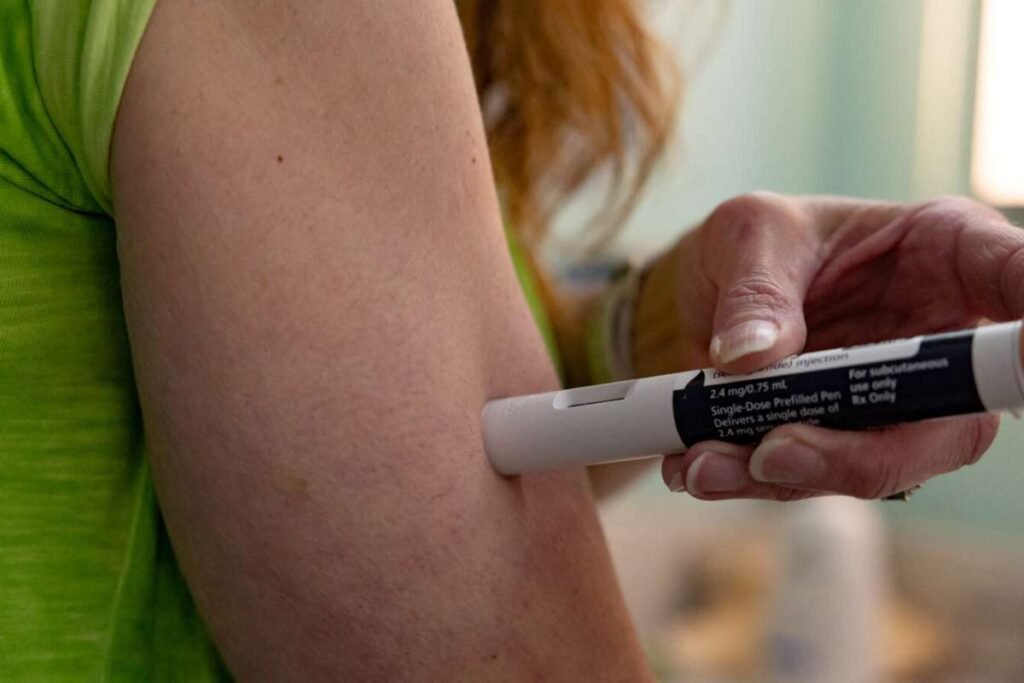
The temporary Medicare GLP-1 Bridge program offers eligible Medicare Part D beneficiaries access to several widely prescribed weight-loss medications for $50 per month through December 2027.
The initiative includes semaglutide, sold as Wegovy; tirzepatide, marketed as Zepbound; and orforglipron, marketed as Foundayo. Adults qualify if they are age 18 or older, enrolled in Medicare Part D and meet specified body mass index, or BMI, criteria tied to obesity or obesity-related health conditions.
The federal pilot aims to determine whether expanding access to obesity medications could reduce long-term Medicare spending by preventing chronic illnesses linked to obesity, including heart disease, diabetes and arthritis.
A recent analysis by nonprofit health policy organization KFF estimates about 3.8 million Americans could newly qualify for the program based on 2023 data, though actual participation remains uncertain.
For 69-year-old Barbara Senich, the medications have helped maintain weight loss after decades of unsuccessful diets and bariatric surgery.
“This is the thing that’s been the miracle for me, is the maintenance,” Senich said.
Studies Show Benefits, but Researchers Cite Limited Senior Data
Recent clinical studies indicate that GLP-1 medications available through the medicare GLP-1 bridge program produce similar weight-loss results in adults over 65 as in younger patients.
Research involving older adults taking semaglutide found participants lost an average of 15.5% of their body weight, nearly identical to younger adults. Separate trials of tirzepatide showed older participants lost more than 23% of their starting weight at the highest dose.
Researchers from the Johns Hopkins Bloomberg School of Public Health also reviewed 64 studies and concluded the medications appear effective regardless of age.
However, physicians caution that relatively few adults over age 65—and even fewer over 75—have participated in clinical trials.
“Just because you can doesn’t mean you should,” said Dr. John Batsis, a geriatrician and nutritionist at the University of North Carolina’s Gillings School of Public Health.
Dr. Jennifer Schrack, director of the Center for Aging and Health at Johns Hopkins, said weight loss remains beneficial but emphasized that researchers are still studying potential long-term effects in older adults.
Doctors Recommend Careful Monitoring During Treatment
Medical experts advise older adults to consult their health care providers before starting GLP-1 medications offered through the medicare GLP-1 bridge program, and to receive regular follow-up care once treatment begins.
Dr. Melanie Jay, who directs the Comprehensive Program on Obesity at NYU Langone Health, said the medications can lower cardiovascular risks and improve blood sugar control but require careful monitoring because dehydration and kidney complications can occur.
“Anyone, if they’re on these medications, should have very good medical care and be followed, especially when first starting,” Jay said.
Older adults may experience nausea, vomiting, constipation and diarrhea at rates similar to younger patients, but those side effects can have greater consequences because aging reduces the sensation of thirst and increases the risk of dehydration.
Experts recommend drinking more water, consuming protein-rich meals, seeking nutritional counseling and performing resistance exercise to preserve muscle mass during weight loss.
Batsis also urged patients to focus less on achieving a specific number on the scale and more on maintaining strength, mobility and independence.
“We need to move away from a weight-centric approach to more of a function-centric approach,” Batsis said.
The Medicare GLP-1 Bridge program will continue through the end of 2027 as federal officials evaluate its impact on patient health and overall Medicare spending.
Visit Healthcare 360 Magazine For The Most Recent Information.