Key takeaway:
- FDA approves first oral PCSK9 inhibitor: Merck oral PCSK9, marketed as Lipfendra, becomes the first once‑daily pill in its class to lower LDL cholesterol, providing patients with an alternative to injectable therapies.
- Strong LDL reduction in trials: Clinical studies showed the drug reduced LDL cholesterol by nearly 60% when added to standard cholesterol-lowering treatment.
- Expands treatment options: The approval provides high-risk patients with a more convenient cholesterol-lowering option, while Merck continues to study its impact on heart attacks and strokes.
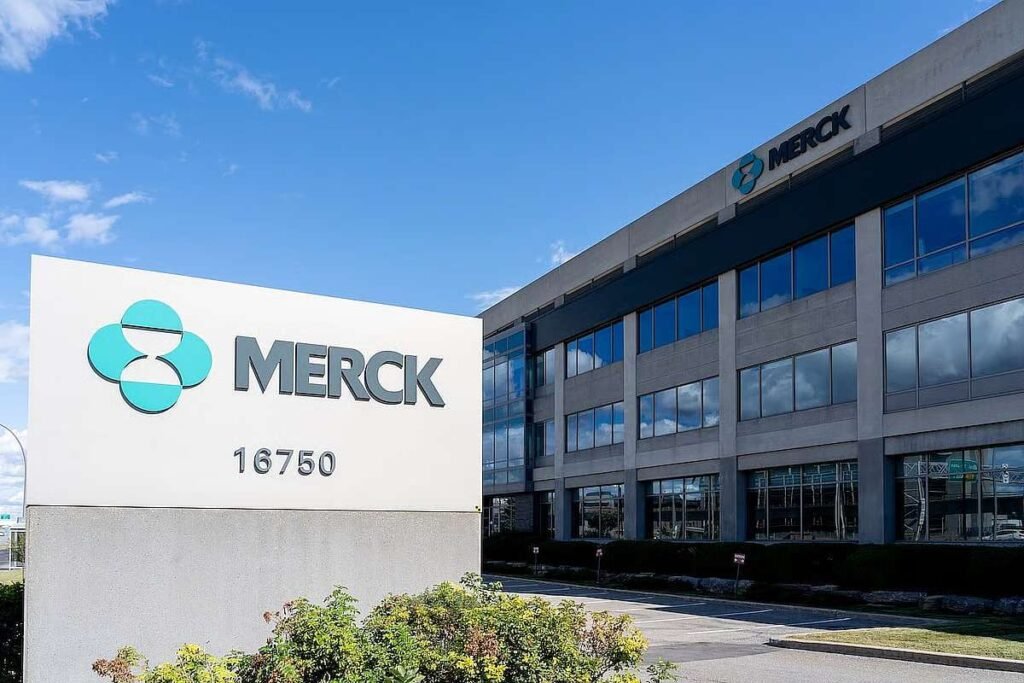
The U.S. Food and Drug Administration has approved Merck oral PCSK9, branded as Lipfendra, marking the first oral therapy of its kind for adults with high cholesterol. This daily pill offers an alternative to injectable treatments, with clinical trials showing LDL cholesterol reductions of nearly 60%.
The approval marks the first time patients can take a pill instead of injections to block the PCSK9 protein, which limits the body’s ability to remove low-density lipoprotein, or LDL, cholesterol from the bloodstream. Lipfendra is approved for adults with hypercholesterolemia, including inherited forms of the condition, who need additional LDL reduction despite diet, exercise, and other cholesterol-lowering treatments.
FDA clears first oral pcsk9 treatment
PCSK9 inhibitors have been available for more than a decade, but only in injectable form. The FDA’s approval of Merck oral PCSK9 introduces a once‑daily pill that the company says could expand access for patients who are hesitant about injections or need added cholesterol control beyond statins.
“Today’s approval of Lipfendra provides an important new treatment option for eligible adults who need further LDL cholesterol reduction,” Merck said in a statement announcing the authorization.
Heart disease remains the leading cause of death in the United States, and elevated LDL cholesterol is a major risk factor for heart attacks and strokes. Medical guidelines recommend aggressive LDL reduction for patients at high cardiovascular risk.
Clinical trials show strong ldl cholesterol reduction
The FDA based its approval on Phase Three studies involving adults with high cholesterol. Patients taking Lipfendra experienced placebo-adjusted LDL cholesterol reductions of about 56% to 59% after 24 weeks when added to existing treatment. Benefits remained consistent over one year.
Reported side effects, including dizziness and diarrhea, were generally similar to those seen with placebo. The medication must be taken on an empty stomach.
An FDA spokesperson said the agency reviewed the drug under an expedited pathway designed for therapies that address significant public health needs.
Merck eyes wider access for high-risk patients
Merck plans to launch Lipfendra in the United States within weeks at a list price of $10.50 per pill, or about $315 for a 30-day supply. The company said discounts and insurance coverage are expected to reduce out-of-pocket costs for many patients.
The company is also conducting an ongoing outcomes study to determine whether lowering LDL cholesterol with Lipfendra reduces heart attacks and strokes, data that could expand its clinical role in the future. Analysts project the medicine could become a multibillion-dollar product as Merck seeks new growth beyond its cancer portfolio.
Visit Healthcare 360 Magazine For The Most Recent Information.