Key takeaway:
- Most women preferred maternal RSV vaccination, with nearly 70% choosing it over infant immunization with nirsevimab.
- More than three-fourths (76.1%) received the RSV vaccine during pregnancy, reflecting strong acceptance across eight countries.
- Researchers say clear communication on vaccine safety and effectiveness can improve confidence and support wider maternal vaccination.
Most pregnant women surveyed across eight countries choose maternal vaccination against respiratory syncytial virus over infant immunization, with nearly 70% preferring vaccination during pregnancy to protect newborns, according to a new international study.
A study published in the journal Vaccine found that women in eight countries generally favor receiving the respiratory syncytial virus, or RSV, vaccine during pregnancy instead of having their babies receive the infant monoclonal antibody nirsevimab, marketed as Beyfortus.
Researchers surveyed 887 women in Brazil, Canada, Colombia, Spain, France, Italy, Luxembourg and Switzerland between March 2024 and March 2025. The study was led by researchers at the School of Health Sciences at the University of Applied Sciences and Arts Western Switzerland.
The findings showed that 76.1% of participants received the maternal RSV vaccine during pregnancy, while another 10.8% had previously received it. Nearly 70%, or 69.8%, said they preferred vaccination during pregnancy over infant immunization after birth.
Study Shows Strong Maternal Vaccine Acceptance Across Eight Countries
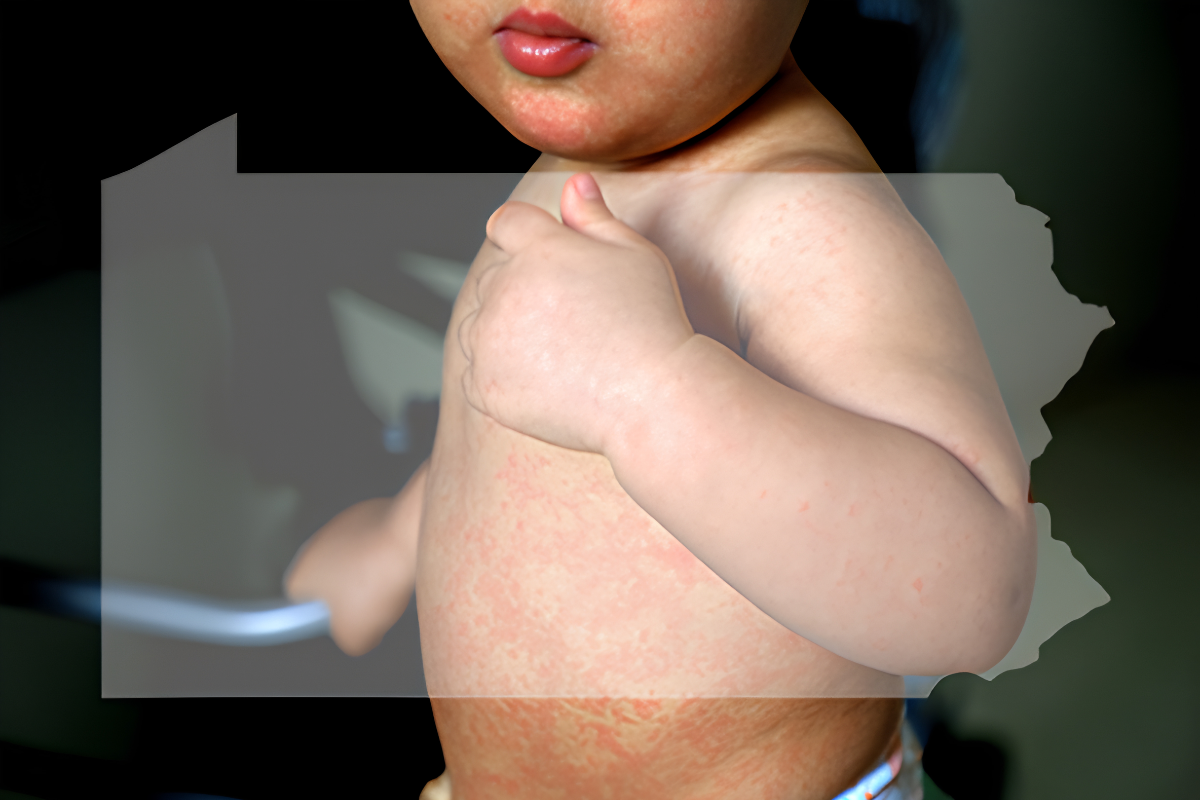
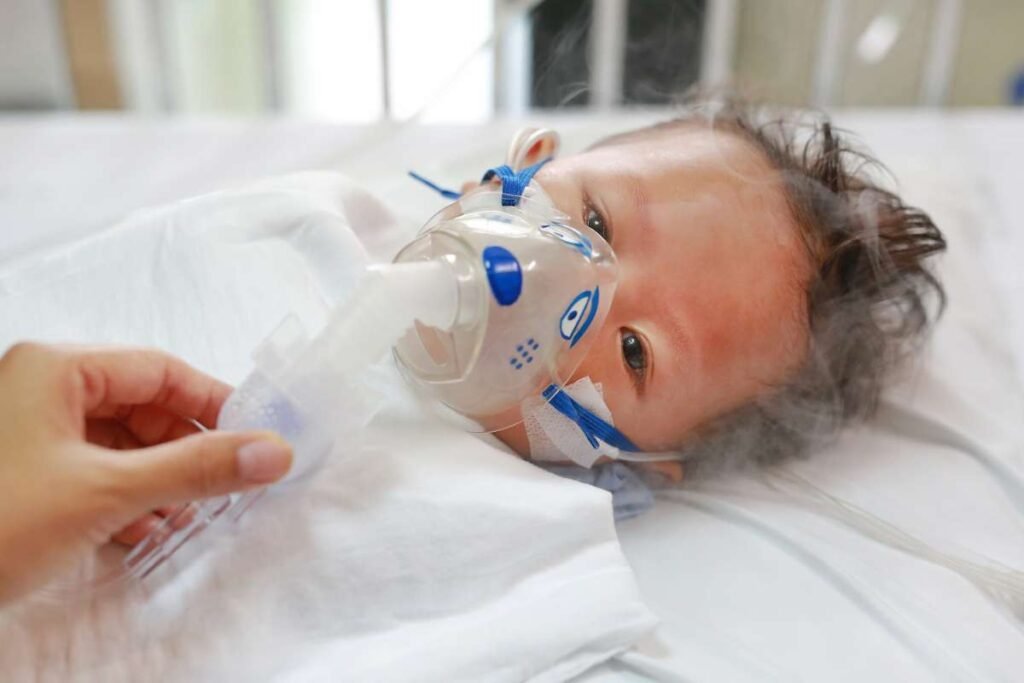
RSV is a common respiratory virus that can cause severe illness in infants, including bronchiolitis and pneumonia. In serious cases, the infection can be fatal.
According to the U.S. Centers for Disease Control and Prevention, before RSV vaccines became available, the virus contributed to the hospitalization of an estimated 58,000 to 80,000 children younger than five each year in the United States.
The maternal RSV Prefusion F vaccine allows pregnant women to pass protective antibodies to their babies before birth. Researchers said infants whose mothers receive the vaccine generally do not require nirsevimab for RSV protection.
“The multinational study demonstrates high acceptance of maternal RSV vaccination and a predominant preference for this strategy over infant immunizations,” the study authors wrote.
Researchers Identify Factors That Shape Vaccination Decisions
The study found that women with previous neonatal intensive care unit experiences, those who routinely receive recommended vaccines, and those with positive views of health care were more likely to accept maternal RSV vaccination.
Women who had experienced preeclampsia or expressed concerns about vaccine safety during pregnancy were less likely to prefer maternal vaccination.
Researchers said these findings suggest that previous health experiences and confidence in medical care influence vaccination decisions during pregnancy.
“Our results, obtained from participants across diverse healthcare settings in multiple countries, reinforce the hypothesis that many pregnant individuals consider maternal RSV vaccination as an acceptable strategy to protect infants during the early months of life, with a predominant preference for this approach over child immunization,” the authors wrote.
Findings Highlight Need for Clear Communication on RSV Protection
The researchers said the results support the need for public health policies that reflect parental preferences while providing clear information about vaccine safety and effectiveness.
They said communication strategies should specifically address concerns among pregnant women who remain hesitant about immunization.
“These findings highlight the importance of tailored communication addressing pregnant individuals’ concerns about safety and efficacy, alongside policies that align with parental vaccination preferences to facilitate effective implementation,” the authors wrote.
The researchers said the multinational data provide evidence that maternal RSV vaccination is broadly accepted across different health care systems and may help strengthen efforts to protect infants during their first months of life.
Visit Healthcare 360 Magazine For The Most Recent Information.