Key Takeaway:
- Emergency room visits in the U.S. surged to their highest level since 2017 during Tick Bite season, more than doubling the historical average in April 2026.
- Doctors link the surge to expanding tick habitats driven by warmer weather, milder winters, and increased human activity near wooded areas.
- Health experts warn of rising risks from Lyme disease, Powassan virus, and alpha-gal syndrome, urging stronger prevention and early treatment awareness.
Emergency room visits related to tick bites across the United States reached their highest seasonal levels in nearly a decade this spring, highlighting the intensity of Tick Bite season. Doctors warn that expanding tick populations and rising disease risks are making this Tick Bite season particularly concerning.
CDC Reports Sharp Rise in Tick-Related ER Visits
The Centers for Disease Control and Prevention reported that about 71 out of every 100,000 emergency room visits in April were linked to tick bites, marking a sharp rise during Tick Bite season and more than doubling the historical average of roughly 30 per 100,000.
The CDC’s Tick Bite Tracker shows the increase spans most U.S. regions. Children younger than 10 and adults aged 70 to 79 recorded some of the highest visit rates.
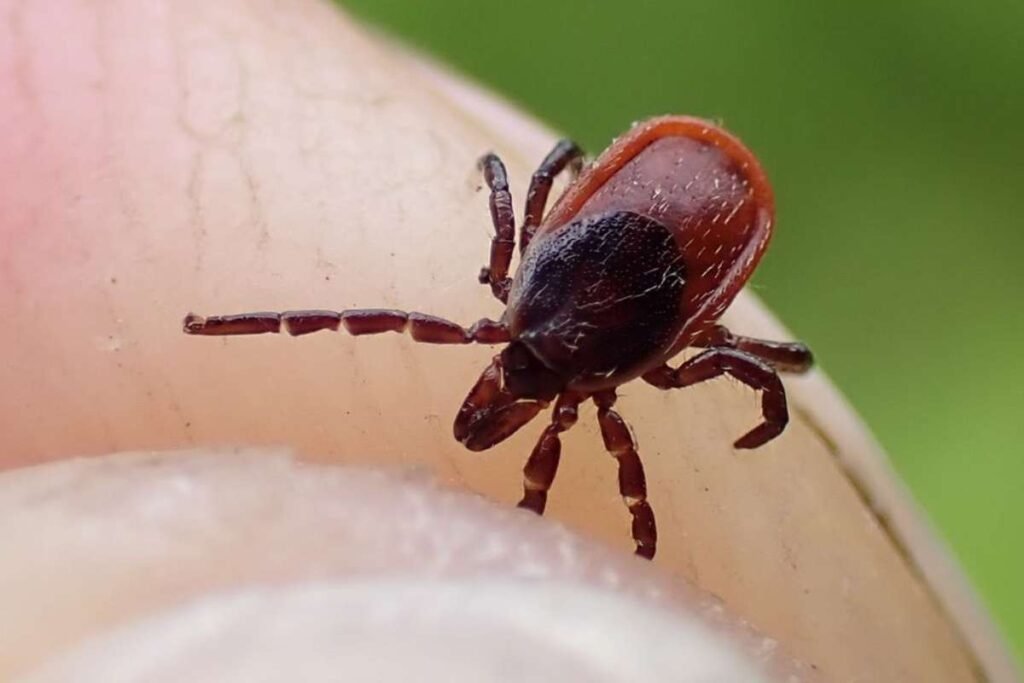
Doctors say the growing spread of blacklegged ticks, also known as deer ticks, is fueling concern over Lyme disease and other tick-borne illnesses.
“Over the past three decades, the geographic range of the blacklegged tick has expanded significantly,” said Dr. Steven Goldberg, a family medicine physician at UofL Health in Louisville, Kentucky.
Goldberg said Lyme disease cases in Ohio have increased roughly 10-fold over the past decade as tick populations from the Northeast and Upper Midwest converge in the Ohio River Valley.
He also warned that the lone star tick is moving northward beyond the Southeast, bringing illnesses such as ehrlichiosis and alpha-gal syndrome into new regions.
Climate Change and Development Expand Tick Habitat
Health experts say climate conditions are playing a major role in the surge.
“Warmer, wetter conditions allow ticks to survive in habitats that previously would have been too cold,” said Dr. Suraj Saggar of Holy Name Medical Center in Teaneck, New Jersey.
Saggar said milder winters help ticks and their animal hosts survive longer, speeding reproduction and expanding habitats into areas that historically experienced heavy snow and colder temperatures.
Experts also pointed to growing suburban development near wooded areas and the rebound of white-tailed deer populations, which serve as key hosts for adult ticks.
Goldberg said some climate studies project blacklegged tick habitat could expand by more than 200% by the end of the century, including into parts of Canada and the central and southern United States.
Doctors Warn of Severe Tick-Borne Diseases
Lyme disease remains the most common tick-borne illness in the United States. Saggar said about 476,000 Americans are diagnosed and treated for Lyme disease each year, based on CDC estimates.
Other illnesses linked to tick bites during Tick Bite season include anaplasmosis, ehrlichiosis, and babesiosis. Doctors have also warned about the spread of alpha-gal syndrome, an allergy to red meat triggered by Lone Star tick bites, making this Tick Bite season especially concerning.
“In rare cases, people have died from anaphylactic reactions linked to alpha-gal syndrome following a tick bite,” Saggar said.
Goldberg identified the Powassan virus as one of the most serious emerging threats. The virus, spread by the same blacklegged tick associated with Lyme disease, can be transmitted within minutes of a bite and may cause severe brain inflammation.
He said the Powassan virus carries a fatality rate of about 10% to 15%, and many survivors experience lasting neurological damage.
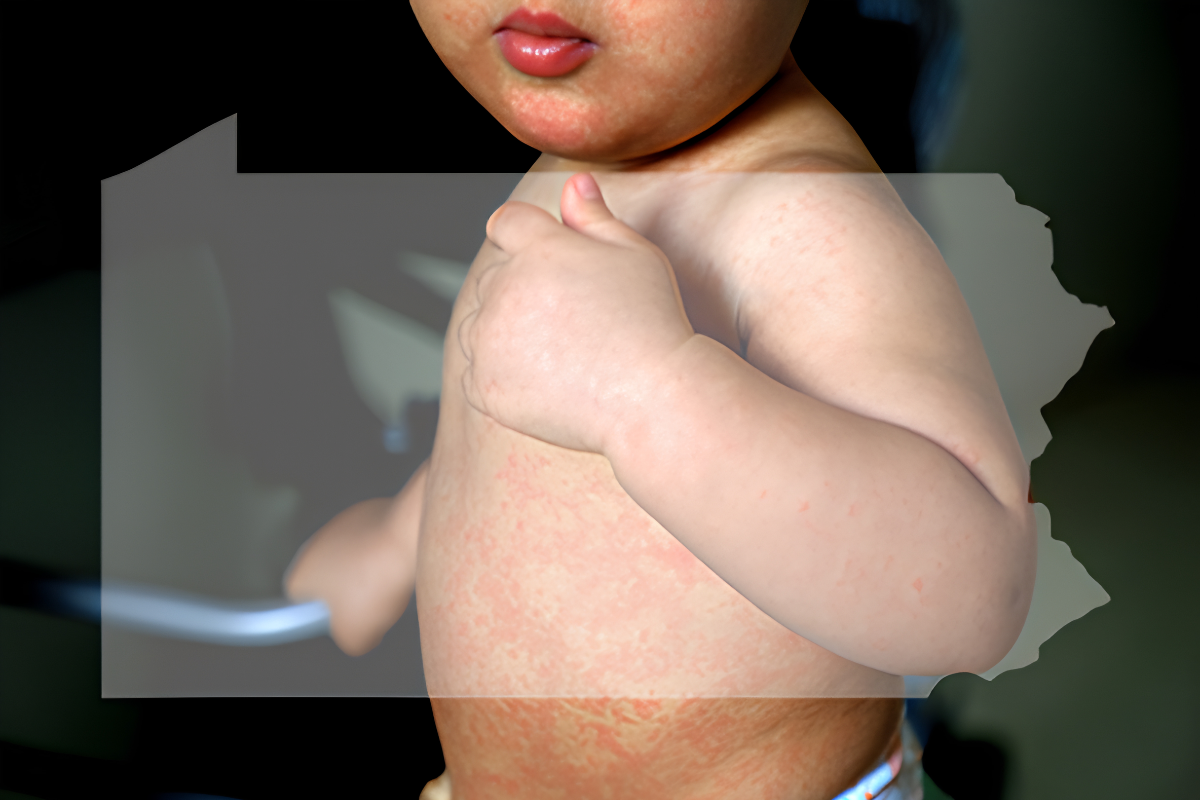
Doctors advised people to watch for symptoms, including fever, chills, fatigue, headaches, muscle aches, and joint pain. A bull’s-eye rash may also signal Lyme disease.
Because early testing can produce false negatives, doctors may begin treatment based on symptoms and possible exposure, Saggar said.
Experts recommend wearing long clothing, using insect repellents, checking for ticks after outdoor activity, and avoiding tall grass and wooded areas when possible.
Visit Healthcare 360 Magazine For The Most Recent Information.