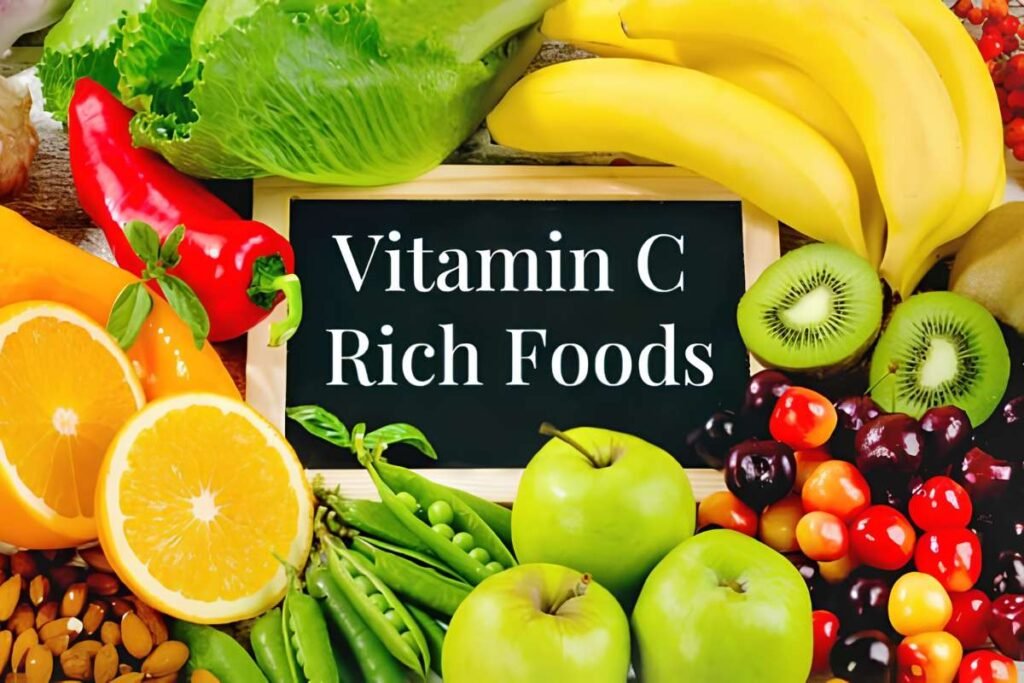
Vitamin C is a water-soluble essential nutrient vital for immune function, collagen synthesis, and iron absorption. While often associated with citrus, many vitamin C rich foods like guavas, red bell peppers, and kiwis offer superior nutrient concentrations. Read our ranked list of the top sources, learn simple preparation tips to maximize absorption, and see how easy it is to fuel your health with these simple dietary upgrades.
Most of us reach for an orange when we feel a sniffle, but Vitamin C is far more than a cold-season quick fix. Since your body can’t produce or store this water-soluble nutrient, you need to prioritize vitamin C rich foods in your daily routine to keep your levels consistent.
It’s the secret fuel for collagen (the building block for healthy skin and joints) and acts as the chemical key that helps you absorb iron from plant-based foods like lentils and spinach.
Knowing why you need it is only half the battle. If you’re ready to look beyond the basic orange, let’s see the true nutrient powerhouses that deserve a permanent spot in your kitchen.
What are the top vitamin c rich foods you should eat?
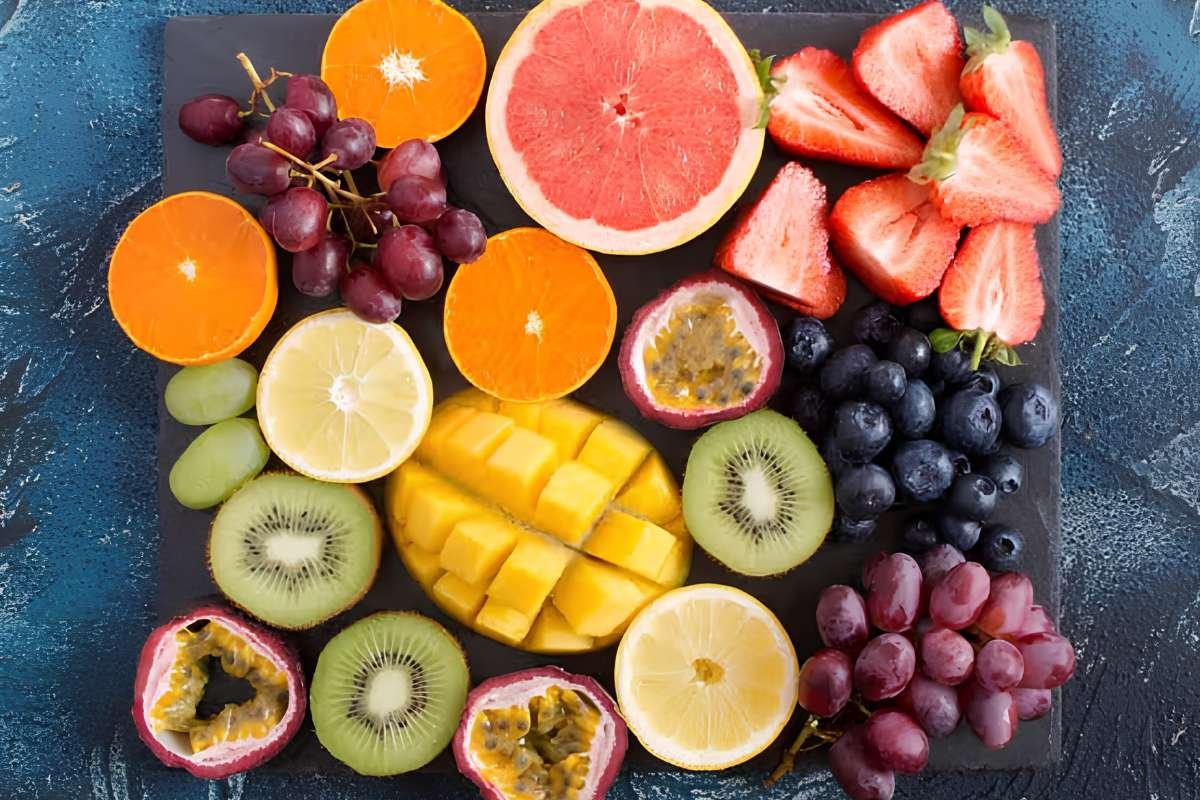
You don’t have to rely solely on citrus to get your daily dose of ascorbic acid. Diversifying your plate with these options does more than just boost your immunity. It provides a comprehensive profile of fiber, antioxidants, and phytonutrients that support your long-term vitality.
Here are the top-tier sources to keep in your kitchen:
1. Guava:
If you’re looking for the absolute king of vitamin C, look no further than the guava. One cup packs a staggering 377 mg of vitamin C, over 400% of your daily value.
It’s also loaded with lycopene, a powerful antioxidant that supports heart health. Enjoy it fresh with the skin on to keep the fiber intact.
2. Red bell pepper
Think beyond fruit and grab a red bell pepper. With 190 mg per chopped cup, they contain significantly more vitamin C than an orange. They’re also rich in beta-carotene to support healthy vision and immune function.
Slice them raw for a crunchy snack or flash-sauté them, but be careful with boiling, as it leaches away nutrients. If you have a sensitive stomach, be mindful that peppers can sometimes cause mild bloating.
3. Golden kiwi:
Golden kiwis offer a sweet, tropical upgrade to the standard green variety. A single fruit delivers about 130 mg of vitamin C and contains actinidin, an enzyme that helps your body digest protein efficiently.
They are incredibly gentle on the stomach, and you can even wash and eat the skin for a fiber boost.
4. Strawberries:
Strawberries are arguably the most approachable source on this list, fitting perfectly into morning oats or smoothies. A cup of halved berries provides 98 mg of vitamin C along with anthocyanins, the pigments that provide cardiovascular protection.
Pro tip: Wash them after removing the stems so they don’t turn into water-logged sponges. Since they often appear on pesticide residue lists, try to buy organic when you can.
5. Brussels sprouts:
Don’t write off these greens just because of childhood dinner table memories. Roasted or steamed correctly, a cup of cooked sprouts offers 97 mg of vitamin C plus sulforaphane, a compound studied for its role in cellular defense.
They are one of the most reliable vitamin C rich foods to add to your dinner rotation.
Aim for tender-crisp to avoid a sulfurous smell. Just note that they are high in Vitamin K, so check with your doctor if you’re on blood-thinning medication.
6. Papaya:
Papaya is a true two-in-one superfood. A cup of cubed fruit provides 88 mg of vitamin C and contains papain, an enzyme that assists with protein digestion.
It’s a natural palate cleanser that tastes great chilled with a squeeze of lime.
7. Broccoli:
Broccoli is a clean-eating staple for a reason. It is reliable, inexpensive, and offers 81 mg of vitamin C per cooked cup alongside compounds called glucosinolates that support liver health.
Steam it lightly for 3-5 minutes, as this is the sweet spot to keep those nutrients locked in.
READ MORE:
- Eat Your Way to Wellness: 12 Everyday Foods Rich in Vitamins
- Best Vitamins and Supplements for Stress: Natural Remedies to Enhance Well-being
Other notable sources for daily variety:
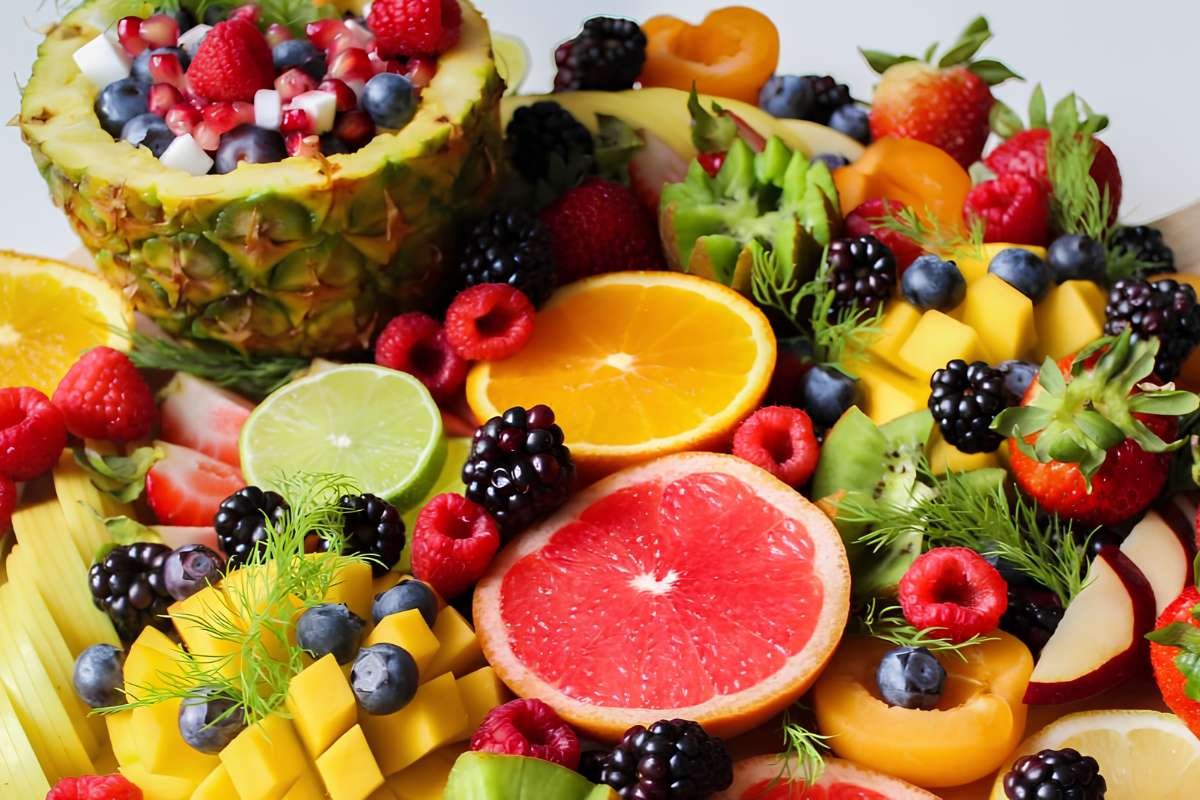
If you’re already eating the foods above, these items are excellent ways to round out your diet and ensure you never get bored:
- Kale (80 mg/cup raw): A brilliant dual-threat that provides Vitamin C along with eye-protecting lutein. Just massage the leaves with oil first to make them tender.
- Pineapple (79 mg/cup chunks): A tropical, anti-inflammatory choice. Stick to fresh, as canned pineapple is usually heat-processed and loses much of its Vitamin C.
- Oranges (70 mg/medium fruit): The classic benchmark. They are great, but remember that the whole fruit is better than juice because the fiber helps your body regulate blood sugar.
- Mango (60 mg/cup sliced): A seasonal treat that pairs Vitamin C with Vitamin A. Watch the sugar content if you’re tracking calories.
- Cantaloupe (57 mg/cup cubed): A fantastic hydrating snack. Be sure to wash the rind thoroughly before cutting to avoid bacteria.
- Cauliflower (52 mg/cup raw): If you prefer savory veggies over fruit, this is a great, choline-rich option that works well roasted.
The table below offers a quick reference guide to help you compare these vitamin C rich foods at a glance.
| Food Source | Serving Size | Vitamin C (mg) |
| Guava | 1 cup | 377 mg |
| Red Bell Pepper | 1 cup (chopped) | 190 mg |
| Golden Kiwi | 1 medium | 130 mg |
| Strawberries | 1 cup (halved) | 98 mg |
| Broccoli | 1 cup (cooked) | 81 mg |
| Orange | 1 medium | 70 mg |
Are you meeting your daily vitamin c needs?
The National Institutes of Health (NIH) recommends a daily intake of 90 mg for adult men and 75 mg for adult women.
If you smoke, you should aim for an additional 35 mg per day, as smoking increases oxidative stress and depletes the body’s stores more quickly.
Hitting these targets is surprisingly easy when you prioritize vitamin C rich foods in your meals, as a single cup of red bell peppers or strawberries often covers your entire daily requirement
Because your body doesn’t store vitamin C and naturally excretes the excess through urine, toxicity from whole foods is extremely rare. While the Tolerable Upper Intake Level is set at 2,000 mg per day, you are highly unlikely to hit this limit through diet alone, making whole foods a much safer and more effective choice than high-dose supplements.
How to add vitamin c rich foods into your routine?
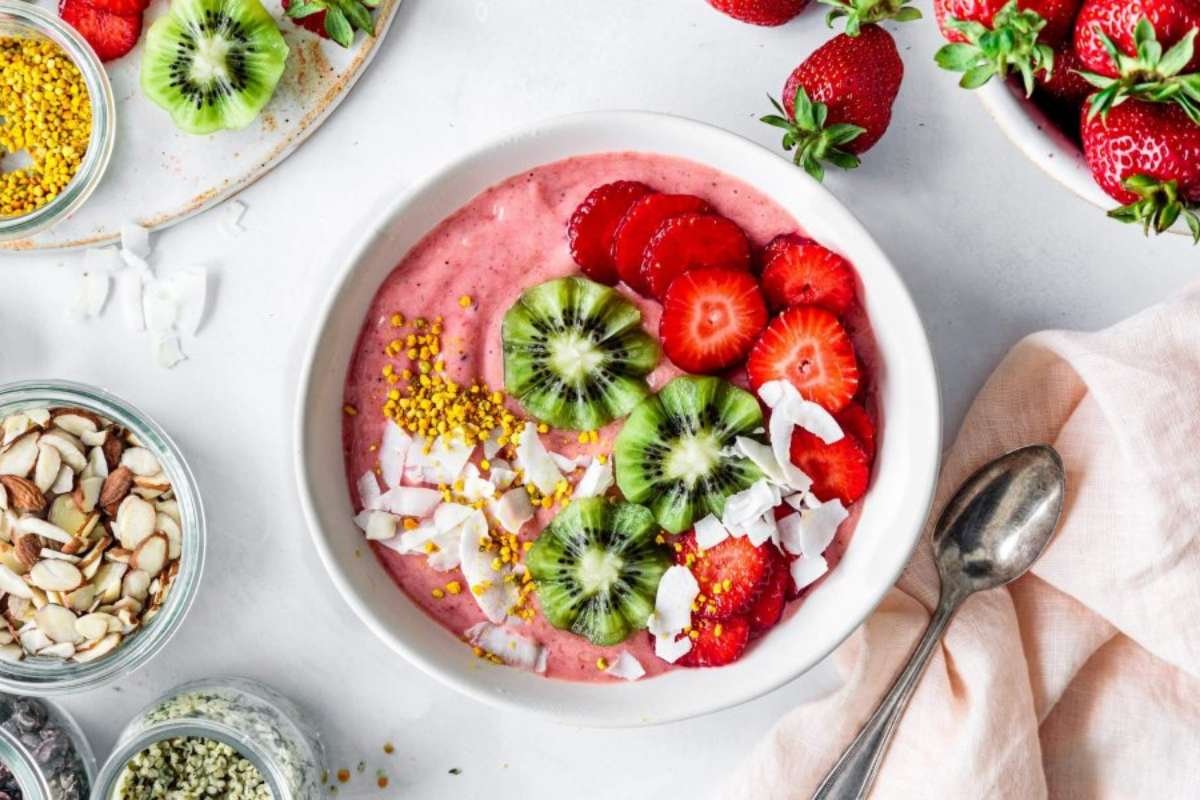
The best diet is one you can actually sustain. Rather than forcing yourself to eat plain fruit, try integrating these ingredients into your existing meal architecture to ensure consistency.
- Breakfast: Add sliced kiwi or strawberries to your morning oatmeal or Greek yogurt.
- Lunch: Use sliced red bell peppers as a crunchy, nutrient-dense base for hummus instead of crackers.
- Dinner: Flash-steam broccoli and toss it with lemon juice, which provides an extra boost of vitamin C while enhancing flavor.
Try this simple Vitamin C Boost Bowl: Combine a base of spinach (iron), top with chopped red bell peppers and strawberries, and drizzle with a citrus-based vinaigrette. You get a perfect synergy of flavor and nutrition in every bite.
Conclusion:
You don’t need an expensive cabinet full of supplements to keep your vitamin C levels topped up. By simply swapping out a few snacks or adding a side of peppers, kiwis, or broccoli to your dinner, you are doing your body a massive favor.
It’s all about consistency, not perfection. Try adding just one or two of these vitamin C rich foods to your routine this week. Your immune system, skin, and energy levels will notice the difference, and your taste buds will thank you for the upgrade.
FAQs
1. Are supplements better than eating whole foods?
Generally, no. Whole foods provide a synergistic effect where fiber, phytonutrients, and vitamins work together. Supplements provide isolated ascorbic acid without these additional health-promoting compounds.
2. Does vitamin C help with weight loss?
While Vitamin C is not a direct fat burner, it plays a crucial role in metabolic health. Studies suggest that individuals with adequate Vitamin C levels oxidize more fat during exercise than those with low levels.
3. What is the best time of day to consume Vitamin C?
There is no perfect time, but taking it with an iron-rich meal (like a salad with beans or nuts) is an excellent strategy to maximize the absorption of non-heme iron.
4. Is a high intake of vitamin C safe long-term?
For most healthy adults, consuming food-based Vitamin C is very safe. The body regulates levels well, excreting excess in urine, though individuals with specific kidney issues should consult their doctor before changing their diet significantly.