Key Takeaway:
- GLP-1 weight-loss drugs show strong benefits, including significant weight reduction and improved heart and metabolic health.
- Doctors stress these medications treat chronic obesity, not cosmetic weight loss, and work best with lifestyle changes.
- Risks include side effects, weight regain after stopping and dangers from unregulated online versions.
Prescriptions for GLP-1 weight-loss drugs are rising across the United States as patients seek effective obesity treatment, but physicians warn the medications carry serious risks and must be used under medical supervision.
Prescriptions Surge As Patients Seek Medical Weight Loss Solutions
GLP-1 Weight-Loss Drug, originally developed to treat diabetes, is rapidly gaining popularity across the nation as a treatment for obesity. Doctors explain that the drug helps patients lose significant weight by slowing digestion, stabilizing blood sugar levels, and signaling the brain to feel full sooner.
Research shows the medications may also lower the risk of heart attack and stroke while improving conditions such as sleep apnea. The expanding benefits have fueled demand among patients seeking long-term solutions for obesity and related health conditions.
Dr. Bob Busch, an endocrinologist at Albany Med, said the drugs represent a major advance in treating chronic metabolic disease rather than offering a cosmetic shortcut.
“This is not a drug to get someone in a bridesmaid’s dress or a bikini,” Busch said. “This is a drug for a chronic disease.”
Busch said his personal experience taking the medication, despite not having diabetes. It has helped him better understand patient concerns and treatment expectations.
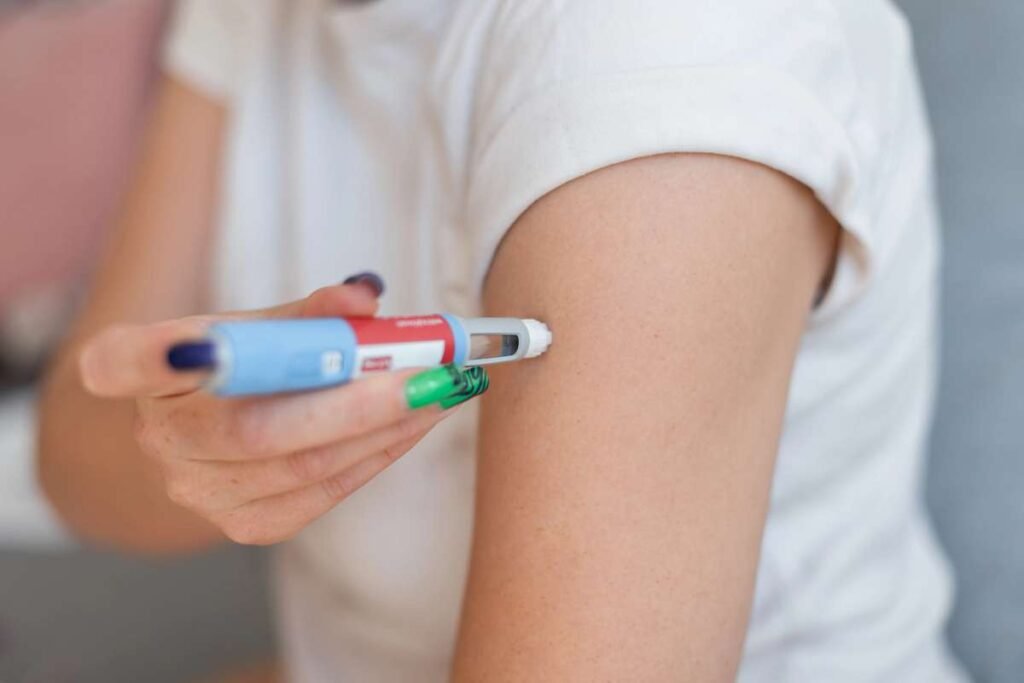
“What I personally do is come into the room, take my own injection in front of the patient,” he said. “Their eyes open wide, and then they go on the medicine.”
Physicians Stress Drugs Treat Chronic Disease, Not Cosmetic Goals
Medical experts emphasize that the GLP-1 Weight-Loss Drug works by improving overall metabolism rather than simply suppressing appetite.
Dr. Kaushal Nanavati, an integrative family physician at SUNY Upstate, said the drugs help the body process sugar more effectively, encouraging energy use and fat metabolism.
“More sugar coming out of the blood helps with our metabolism, burning energy and using our fat as well,” Nanavati said.
Doctors say the medications are most effective when combined with diet changes, exercise and long-term lifestyle adjustments. Physicians caution that patients expecting quick cosmetic results may misunderstand the purpose of the treatment.
Health professionals increasingly frame obesity as a chronic disease requiring ongoing management rather than short-term intervention.
Experts Warn About Side Effects And Unregulated Online Versions
Despite their effectiveness, physicians warn GLP-1 drugs carry potential side effects. The most common reactions include nausea, vomiting and constipation, particularly during early treatment stages.
Rare but serious complications can include pancreatitis, gallstones and loss of muscle mass. Doctors also warn patients not to stop taking the medication abruptly.
“When you stop the drug, the weight comes right back,” Busch said.
Another growing concern involves unregulated versions of the drugs sold online or through unofficial channels. Physicians say patients purchasing these products risk receiving unsafe or ineffective compounds.
“The patient doesn’t know what they’re getting,” Busch said.
Doctors continue urging patients to seek prescriptions through licensed medical providers and emphasize that the GLP-1 Weight-Loss Drug should be viewed as one component of a comprehensive health plan rather than a standalone solution.
Medical experts say the growing popularity of the drugs reflects both advances in obesity treatment and the need for careful education about risks, expectations and long-term care.
Visit Healthcare 360 Magazine For The Most Recent Information.