Key takeaway:
- West Nile virus cases are rising earlier than usual, with 48 U.S. cases reported by late June, the highest early-season count since 2004.
- Arizona leads the outbreak with 32 cases and four deaths, while 23 states have reported virus activity.
- Health officials urge using EPA-approved insect repellent, avoiding mosquito exposure at dusk and dawn, and removing standing water.
West Nile virus activity has reached its earliest and highest level in more than two decades, with 48 confirmed U.S. cases reported by late June, prompting federal health officials to urge Americans to take precautions against mosquito bites as the transmission season begins earlier than usual.
The Centers for Disease Control and Prevention said at least 48 human cases had been reported as of Tuesday, including 38 involving severe illness affecting the brain or nervous system. By comparison, the agency typically records about 10 cases nationwide by the end of June.
“This is the earliest start to West Nile virus activity in more than 20 years,” the CDC said, noting that earlier virus circulation could extend the period during which people are exposed before cooler weather reduces mosquito activity.
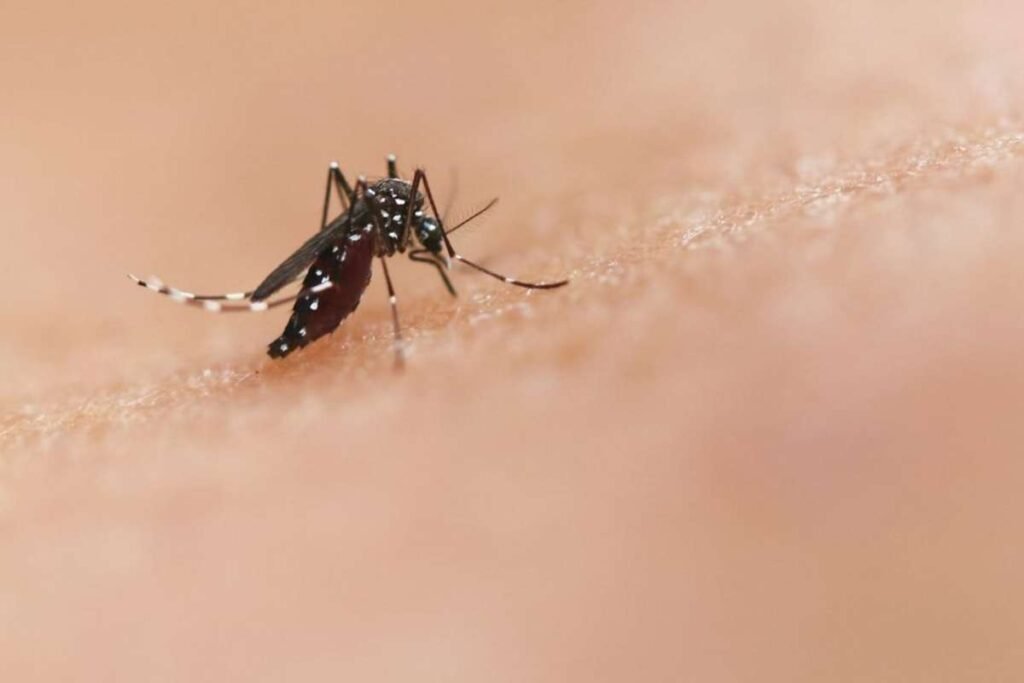
West Nile virus remains the leading cause of mosquito-borne disease in the contiguous United States. The virus spreads through the bite of infected mosquitoes after they feed on infected birds. Federal health officials report several thousand cases and about 100 deaths on average each year.
Arizona records highest number of cases
Arizona has reported the nation’s highest case count so far, with 32 confirmed infections. Maricopa County has recorded 29 cases, including four deaths, already exceeding half of its total reported cases for all of 2025.
The CDC said 23 states have reported West Nile virus activity, the highest number recorded at this point in the past decade. Health experts attribute the early surge to warmer temperatures that accelerate mosquito breeding and virus transmission, along with flooding and standing water that create ideal breeding sites.
Most people infected with West Nile virus do not develop symptoms. However, about one in five infected people experience fever, headache, body aches, joint pain, vomiting, diarrhea, or rash.
Less than 1 percent of infected individuals develop severe neurological illnesses, including encephalitis, an inflammation of the brain, or meningitis, an inflammation of the tissues surrounding the brain and spinal cord. Adults aged 60 and older and people with certain underlying medical conditions face the highest risk of severe disease.
Health officials urge preventive measures
Public health officials recommend several steps to reduce the risk of mosquito bites as outdoor activities increase during the summer months.
The CDC advises people to use insect repellents registered with the Environmental Protection Agency, wear long-sleeved shirts and long pants, and avoid outdoor activity between dusk and dawn, when mosquitoes that carry West Nile virus are most active.
Health experts also recommend eliminating standing water around homes by emptying buckets, birdbaths, flowerpot saucers, and clogged gutters, where mosquitoes commonly breed.
In addition, officials encourage residents to keep mosquitoes out of homes by using window and door screens or air conditioning whenever possible.
The CDC said preventive measures remain the most effective defense because no specific antiviral treatment or human vaccine is currently available for West Nile virus.
Visit Healthcare 360 Magazine For The Most Recent Information.