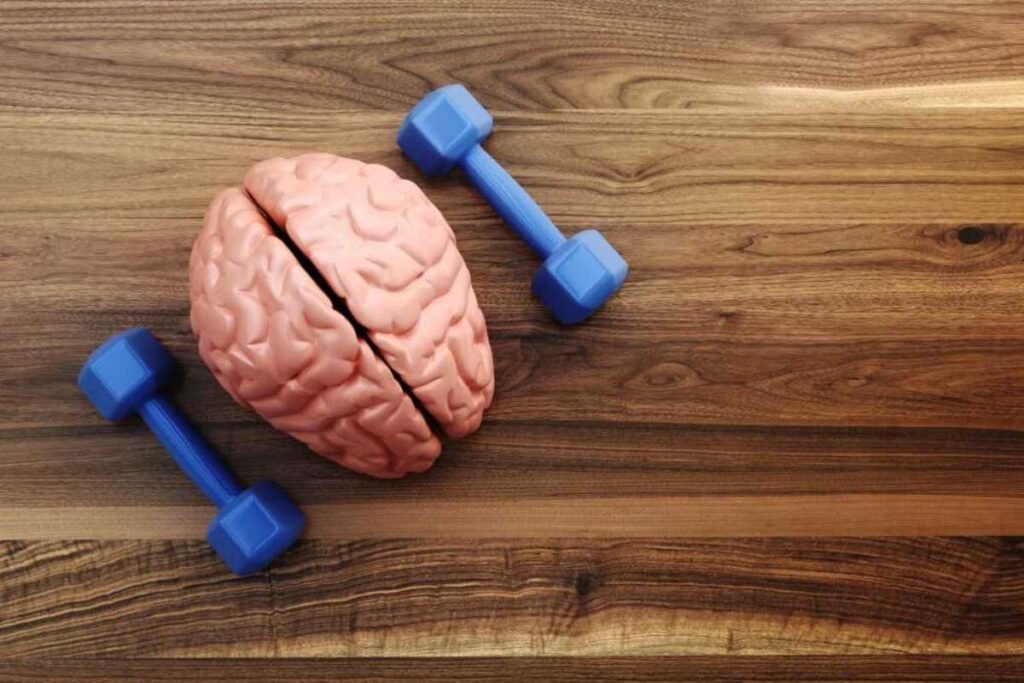
A new study published Thursday in Cell finds that exercise helps the brain by repairing its protective barrier, improving memory, and lowering the risk of dementia through beneficial biological processes triggered by physical activity.
Exercise Strengthens Brain’s Protective Barrier, Study Finds
Scientists report that exercise helps the brain, as common activities like walking, lunges, and squats may shield it from age-related damage by strengthening the blood-brain barrier, a protective layer that blocks harmful toxins and pathogens.
Researchers studying mice found that physical activity stimulates the release of a liver-produced protein that travels through the bloodstream and reinforces this protective barrier. The findings suggest exercise affects brain health beyond traditional cardiovascular benefits.
“These results provide compelling evidence in animal models that exercise-related signals from the liver can improve brain function by acting on the blood-brain barrier,” said Dr. Michelle Voss, director of the Health, Brain and Cognition Lab at the University of Iowa.
Although the research was conducted in animals, scientists say it provides new insight into how movement may protect cognitive function as people age.
Protein Linked To Exercise Shows Memory Improvements
The study focused on a protein known as GPLD1, released during and after physical activity. Previous experiments showed that older mice performed better on memory tests after receiving blood from physically active mice.
In the new research, scientists increased GPLD1 levels in older mice that did not exercise. Those animals demonstrated improved learning ability and healthier brain cells despite remaining inactive.
Researchers noted that the protein itself did not enter the brain, suggesting exercise triggers indirect biological signals that support brain health.
Physical activity also increases blood flow, delivering oxygen and nutrients essential for brain cells. Exercise promotes the release of brain-derived neurotrophic factor (BDNF), a protein that supports neuronal growth and connectivity, often described by scientists as “fertilizer for the brain.”
Experts say these combined effects help the brain maintain structure and function over time.
Regular Activity Linked To Lower Dementia Risk, Better Mental Health
Health researchers have long linked physical activity to a reduced risk of neurodegenerative diseases, including Alzheimer’s disease and other forms of dementia.
Studies show that exercise helps the brain by reducing inflammation, improving vascular health, and supporting the hippocampus, a region critical for memory and learning. Individuals who remain physically active experience slower cognitive decline compared with sedentary adults.
The benefits extend beyond long-term protection. Physical activity triggers the release of endorphins and serotonin, chemicals that improve mood, reduce stress, and enhance sleep quality.
Public health experts recommend at least 150 minutes of moderate aerobic exercise each week. Activities such as brisk walking, cycling, yoga, or dancing can provide measurable cognitive benefits without specialized equipment.
Researchers emphasize that exercise helps the brain, with consistency proving more important than intensity. Even short periods of daily movement can lead to lasting improvements in brain function and emotional well-being.
Scientists caution that further human studies are needed, but say the evidence increasingly supports exercise as one of the most accessible strategies for protecting brain health.
Visit Healthcare 360 Magazine For The Most Recent Information.