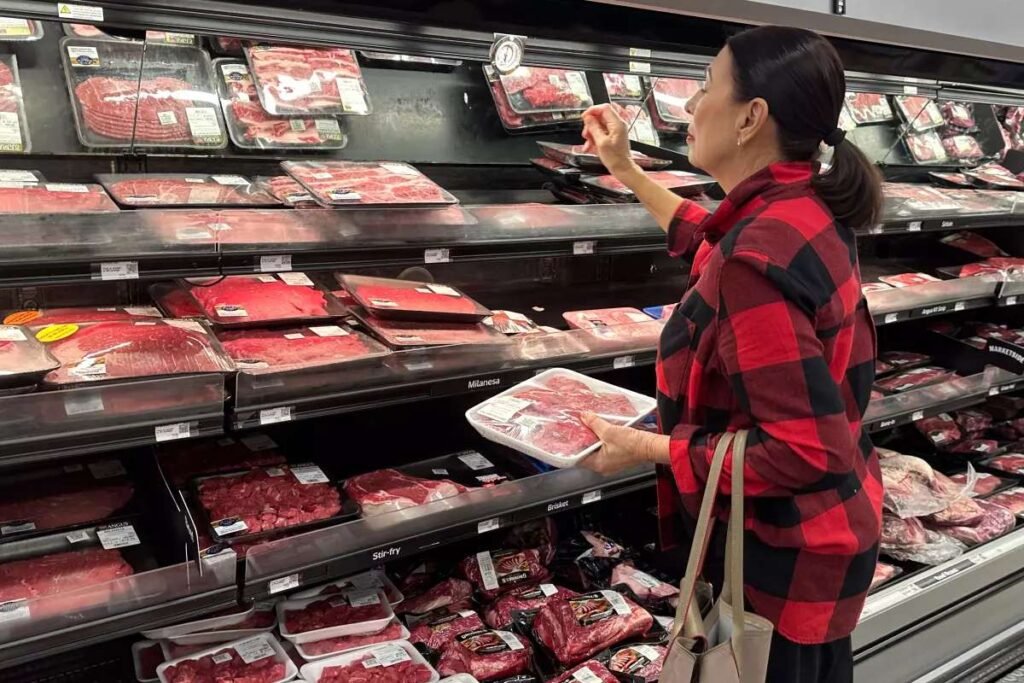
The American Heart Association on Tuesday released updated dietary guidelines urging plant-based foods and unsaturated fats, challenging federal nutrition policies promoted by Health and Human Services Secretary Robert F. Kennedy Jr. that favor red meat and animal fats.
Heart Association Challenges Federal Nutrition Direction
The American Heart Association issued new heart-health dietary recommendations Tuesday, signaling a growing divide between leading medical groups and recent federal nutrition policies backed by the Department of Health and Human Services.
While both sets of guidelines warn against highly processed foods, refined grains and added sugars, the heart association rejected claims promoted by Kennedy and allies in the Make America Healthy Again movement that red meat and beef tallow improve health outcomes.
The nonprofit continued to recommend plant-based proteins, lean meats and low- or nonfat dairy products, contrasting with federal dietary visuals released in January that prominently feature steak, ground meat, cheese and whole milk.
The organization also reaffirmed long-standing guidance favoring unsaturated fats such as olive, soybean and canola oils over saturated fats commonly found in animal products and tropical oils.
“Animal fats such as beef tallow and butter are relatively high in saturated fat,” the association’s scientific statement said, adding that plant-based oils should replace them in food preparation to support cardiovascular health.
Federal Officials Emphasize Shared Goals Despite Differences
Federal health officials downplayed the disagreement, emphasizing common ground between government policy and medical recommendations.
“The American Heart Association’s paper is aligned with the Dietary Guidelines on the major issues: eat real food, avoid highly processed food, and limit refined grains and added sugar,” said Andrew Nixon, a Department of Health and Human Services spokesman.
Kennedy previously declared the United States was “ending the war on saturated fat” and has promoted beef tallow as an alternative to seed oils, which he has criticized despite limited scientific evidence linking them to health risks.
Public health experts say the divergence reflects differing institutional roles. Dr. Simin Liu, director of the Center for Global Cardiometabolic Health and Nutrition at the University of California, Irvine, said the heart association focuses strictly on scientific evidence linking diet and cardiovascular outcomes.
Federal dietary standards, by contrast, guide food served in schools, hospitals and military facilities and influence programs such as the Supplemental Nutrition Assistance Program.
Experts Cite Scientific Consensus Favoring Plant-Based Diets
Nutrition researchers say most scientific evidence continues to associate diets high in red meat and saturated fat with increased cardiovascular risk.
“Those of us in the field have been pushing for food-based dietary recommendations,” Liu said. “But the focus on animal product consumption is a bit off the mark.”
A supplemental report accompanying the federal guidelines noted that several advisory panel members had financial ties to meat and dairy industry groups, including the National Cattlemen’s Beef Association and the National Pork Board.
Health advocacy organizations said the heart association’s update helps clarify conflicting messages presented to the public.
A spokesperson for the Center for Science in the Public Interest said the new guidelines “reflect the current scientific consensus” and provide clearer direction for consumers navigating competing nutrition advice.
Despite disagreements, both federal officials and medical organizations say they share a common objective: reducing chronic diseases linked to poor diet, including heart disease, diabetes and obesity.
The American Heart Association said its recommendations are intended to guide individuals and clinicians toward dietary patterns supported by decades of cardiovascular research.
Visit Healthcare 360 Magazine For The Most Recent Information.