Key Takeaway:
- A Scottish woman has joined the world’s first broken heart syndrome Trial, which is testing treatment for this stress-induced heart condition often mistaken for a heart attack.
- The seven-year global study will evaluate whether RAS inhibitor drugs can prevent deaths, heart failure and repeat episodes.
- Researchers aim to establish the first evidence-based treatment for takotsubo cardiomyopathy, which currently has no proven therapy.
A 57-year-old Scottish woman has joined the world’s first broken heart syndrome Trial, a seven-year study testing treatment for this stress-triggered heart condition. Researchers aim to involve nearly 1,000 patients across 40 hospitals as part of the groundbreaking effort.
Patient Experience Highlights Urgent Need for Treatment
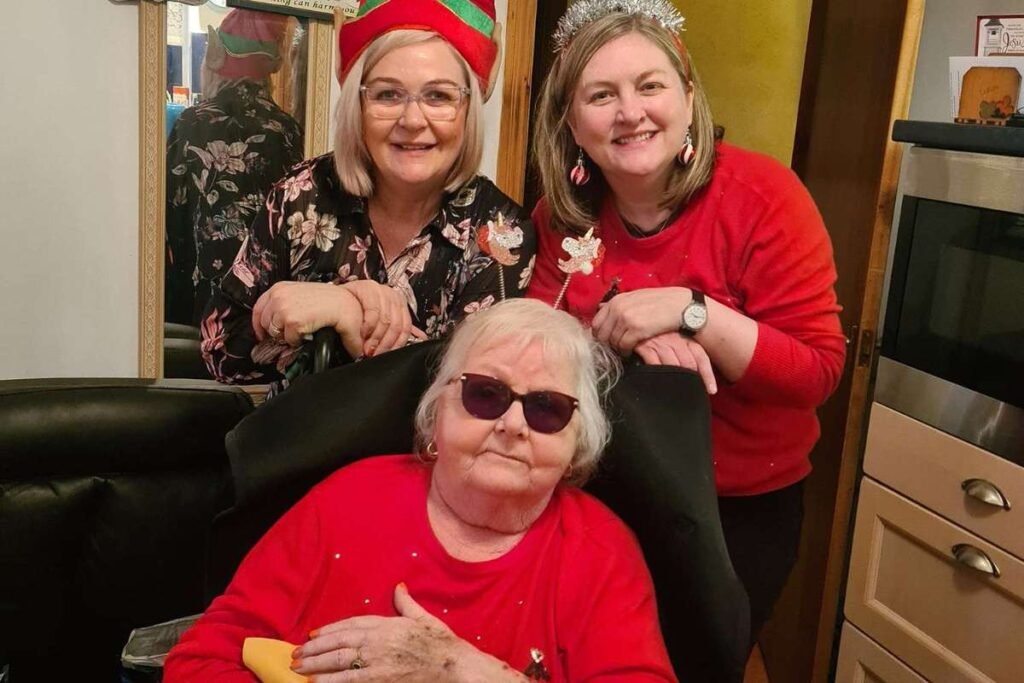
Brenda Young, a social worker from Aberdeenshire, Scotland, is among the first participants in the pioneering broken heart syndrome Trial led by the University of Aberdeen. Officially launched on May 18, the study seeks to identify an effective long-term therapy for takotsubo cardiomyopathy, widely recognized as broken heart syndrome.
Young developed symptoms in November 2025 shortly after witnessing her mother’s death. She said she felt an “intense, overwhelming pain” in her chest within minutes of the emotional shock.
“I just remember thinking this cannot be happening, not today,” Young told researchers. “I knew there was something really wrong.”
Doctors initially suspected a heart attack. Subsequent tests confirmed takotsubo cardiomyopathy, a condition in which sudden emotional or physical stress weakens the heart’s pumping ability.
According to the Mayo Clinic, the syndrome produces symptoms similar to a heart attack, including chest pain and shortness of breath. Unlike heart attacks, however, the condition is not caused by blocked arteries but by temporary dysfunction of the heart muscle.
Researchers Test New Drug Approach
The trial will examine whether renin-angiotensin system, or RAS, inhibitors, medications that relax blood vessels, can improve long-term outcomes for patients diagnosed with the condition.
The seven-year broken heart syndrome Trial is funded by the National Institute for Health and Care Research and is expected to enroll nearly 1,000 participants from hospitals across multiple regions.
Professor Dana Dawson, chair in cardiovascular medicine at the University of Aberdeen and lead investigator, said patients with takotsubo syndrome currently lack standardized treatment options.
“People living with takotsubo syndrome are effectively in limbo at the moment,” Dawson said in a statement. “There is no proven therapy, which means treatments can vary from person to person, and the impact on quality of life can be extremely debilitating.”
Researchers will evaluate whether RAS inhibitors reduce deaths, heart attacks, strokes, heart failure, and repeat episodes following an initial takotsubo event.
Dawson said the trial represents the first large-scale effort to establish evidence-based care for the condition.
Study Offers Hope for Patients Worldwide
Takotsubo cardiomyopathy, which primarily affects women over the age of 50, is often triggered by intense emotional events such as grief, divorce, or severe stress. While many patients regain heart function within weeks or months, some continue to face lasting symptoms or recurrent attacks — challenges that the ongoing broken heart syndrome Trial is working to address.
Dawson said she has studied the condition for more than 15 years and believes the trial could transform how physicians manage the illness.
“We may find the first therapy that improves survival and reduces the burden of disease after a takotsubo attack,” she said. “Or we may establish these drugs are not effective and redirect the search toward other treatments.”
For participants like Young, the research represents both scientific progress and personal hope.
She said joining the trial gives her confidence that future patients facing similar trauma may receive clearer medical guidance and better care.
Researchers expect early findings to emerge in the coming years, though full results will not be available until the study concludes. If successful, the trial could lead to the first standardized treatment pathway for a condition long understood but rarely treated with targeted therapies.
Visit Healthcare 360 Magazine For The Most Recent Information.