For many people, gaining weight feels harder than losing it. If your metabolism runs fast or your schedule stays busy, eating enough calories each day may not be easy. That is why many people start looking for the best protein powders for weight gain to help add calories without forcing large meals.
Protein supplements have become more popular in recent years, and you are now seeing more options than ever before. The global protein supplement market passed $25 billion in 2023 and could nearly double by 2028, driven by growing interest in fitness, sports, and muscle health.
With so many products on the market, choosing the right one can feel confusing. Labels are filled with bold promises, but clear comparisons are not always easy to find. That is why we focus on practical advice, ingredient insights, and simple steps to help you make confident choices.
What Makes a Protein Powder Good for Weight Gain?
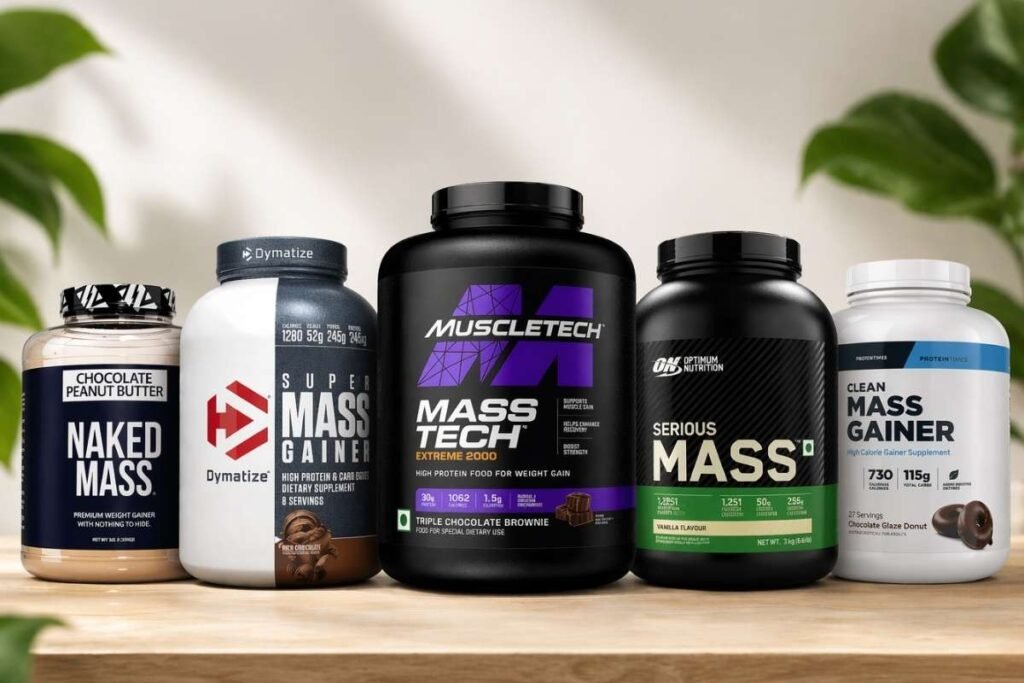
The best protein powders for weight gain are high-calorie shakes that help you add more calories each day. Good options include MuscleTech Mass Tech Extreme 2000, Dymatize Super Mass Gainer, and Optimum Nutrition Serious Mass. These powders give you extra protein and carbs to support steady weight gain when you use them along with regular meals.
Top Picks for the Best Protein Powders for Weight Gain
These protein powders were ranked primarily based on calories per serving, because higher-calorie powders make it easier to create the calorie surplus needed for weight gain.
Products with more calories per serving were placed higher, especially when they delivered those calories in a balanced way with protein and carbohydrates.
| Rank | Product Name | Calories per Serving | Protein per Serving |
| 1 | MuscleTech Mass Tech Extreme 2000 | 2,110 | 60g |
| 2 | Dymatize Super Mass Gainer | 1,280 | 52g |
| 3 | Optimum Nutrition Serious Mass | 1,260 | 50g |
| 4 | Naked Mass | 1,250 | 50g |
| 5 | Transparent Labs Mass Gainer | 750 | 53g |
| 6 | MyProtein Weight Gainer Blend | 600 | 31g |
| 7 | Huel Black Edition | 400 | 40g |
Below is the factual breakdown of the top 7 options, making it easy for you to see which one packs the most punch.
1. MuscleTech Mass Tech Extreme 2000 – Best for Extreme Calorie Needs
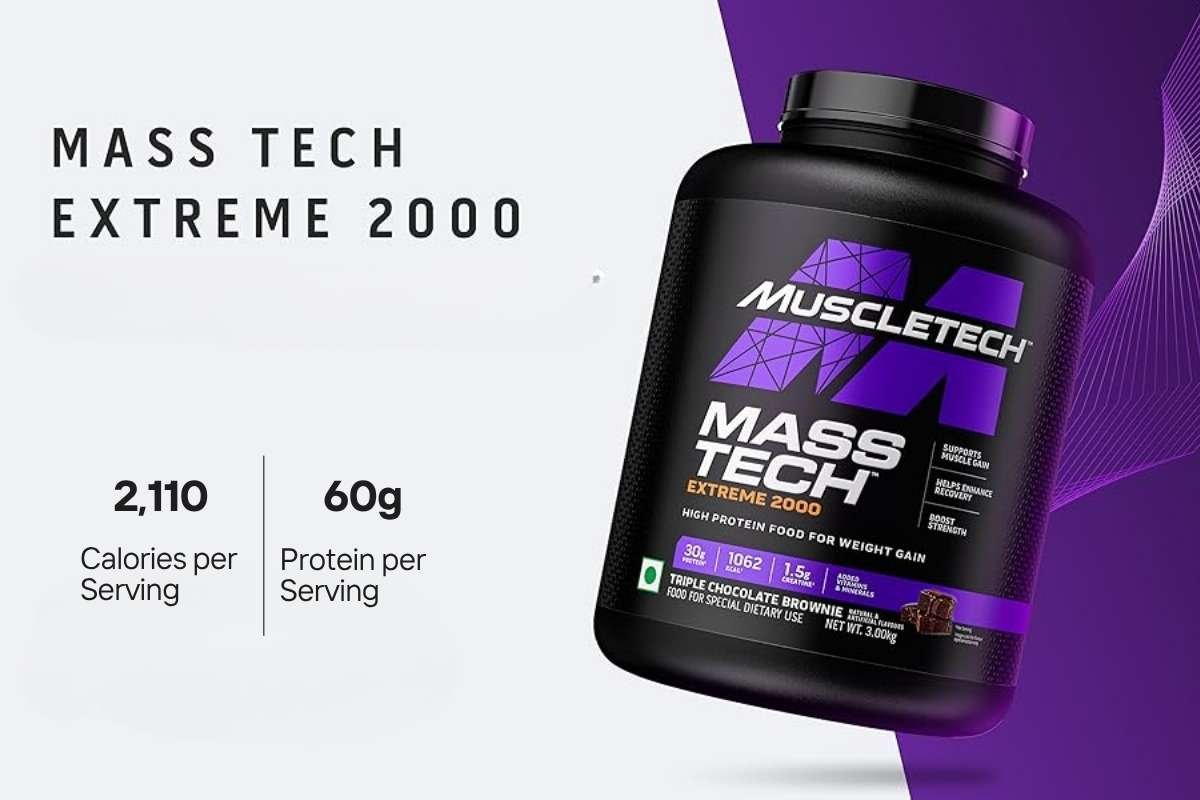
This is the heavyweight champion of mass gainers, offering over 2,000 calories when mixed with milk. It is the best protein powder for weight gain for ‘hardgainers’ who struggle to keep weight on despite eating large meals.
- Calories: 2,130 (with water) / 2,260 (with skim milk)
- Protein Source: Whey Blend (Concentrate, Isolate 97%, Isolate, Hydrolyzed)
- Carb Source: Multi-Phase Carb Complex (Maltodextrin, Oat Bran, Isomaltulose)
- Sugar Count: 24g per serving
This formula is designed for massive size and strength. It includes 10g of creatine and 20 vitamins. The flavor is rich, but the texture is very thick due to the high carb count.
- Pros: Massive calorie count; includes creatine and BCAAs.
- Cons: Very large serving size (6 scoops) can be hard to drink at once.
2. Dymatize Super Mass Gainer – Best for Smooth Digestion
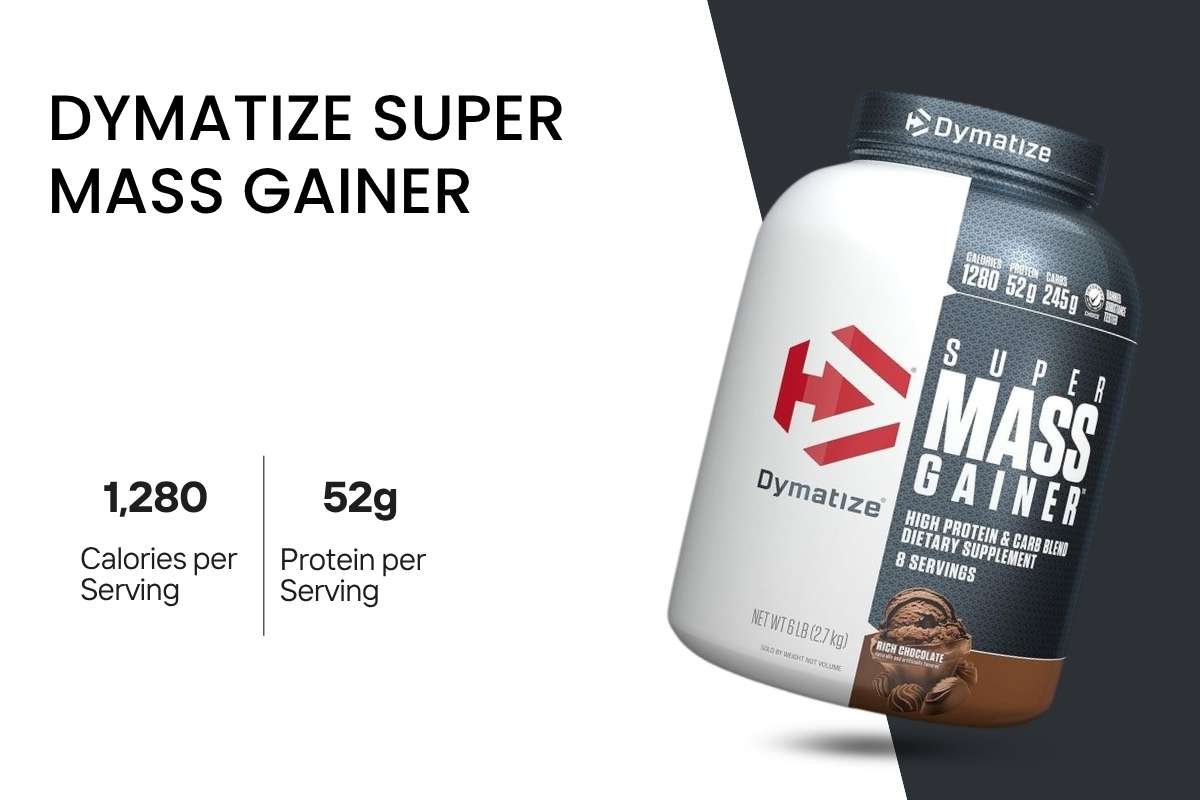
Dymatize is known for high-quality testing and great taste. It is best for those who want a shake that tastes like a real milkshake without the heavy bloat.
- Calories: 1,280
- Protein Source: Whey Concentrate, Milk Protein Isolate, Whey Isolate, Micellar Casein
- Carb Source: Maltodextrin
- Sugar Count: 22g per serving
It uses a blend of fast and slow proteins to keep your body fueled. It also contains 1g of creatine per serving and a blend of 14 vitamins.
- Pros: High brand trust; Informed-Choice certified (banned substance tested).
- Cons: Low creatine dose compared to others; contains artificial sweeteners.
3. Optimum Nutrition Serious Mass – Best for Beginners
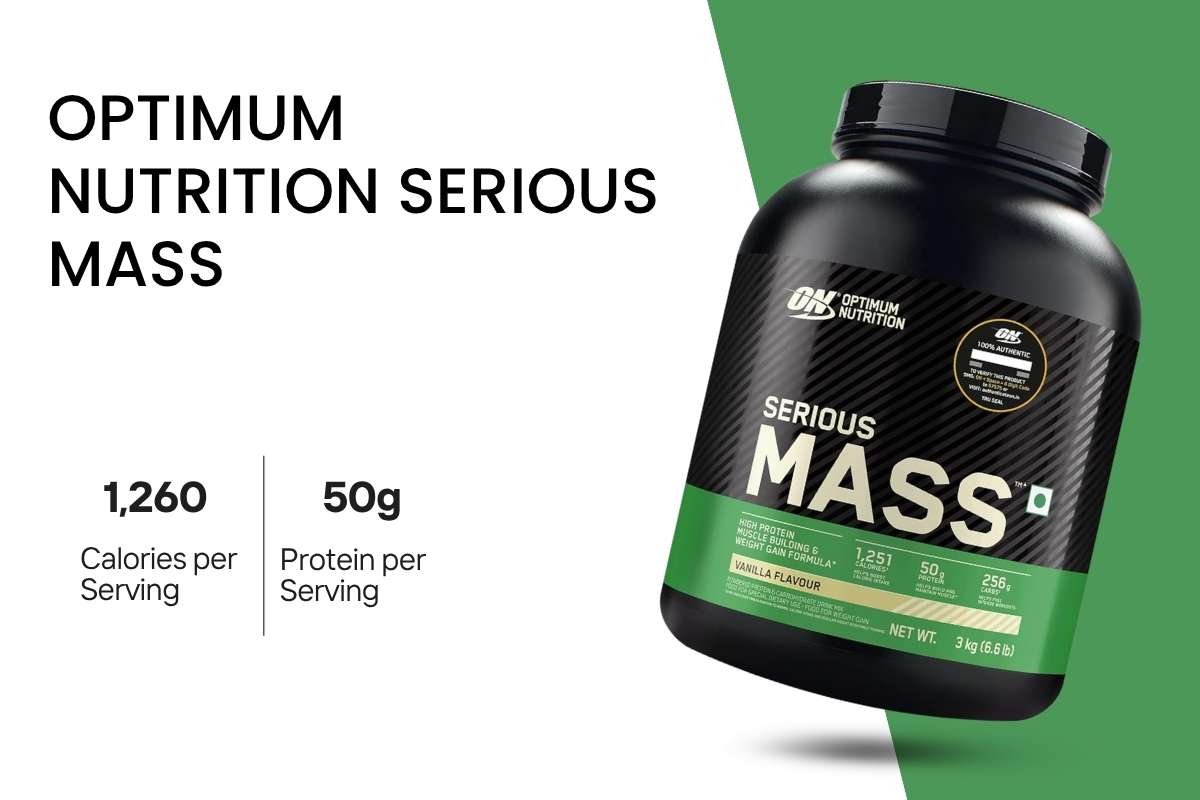
This is the most famous weight gainer in the world for a reason. It is the best protein powder for weight gain for someone starting their first bulk who wants a reliable, simple product.
- Calories: 1,260
- Protein Source: Whey Protein Concentrate, Calcium Caseinate, Egg Albumen
- Carb Source: Maltodextrin
- Sugar Count: 20g per serving
It provides a huge dose of carbs to fuel tough workouts. It also features 3g of creatine and 25 vitamins to help with overall health.
- Pros: Very reliable brand; includes a wide range of vitamins.
- Cons: High in maltodextrin, which can cause blood sugar spikes.
4. Naked Mass – Best for Clean Ingredients
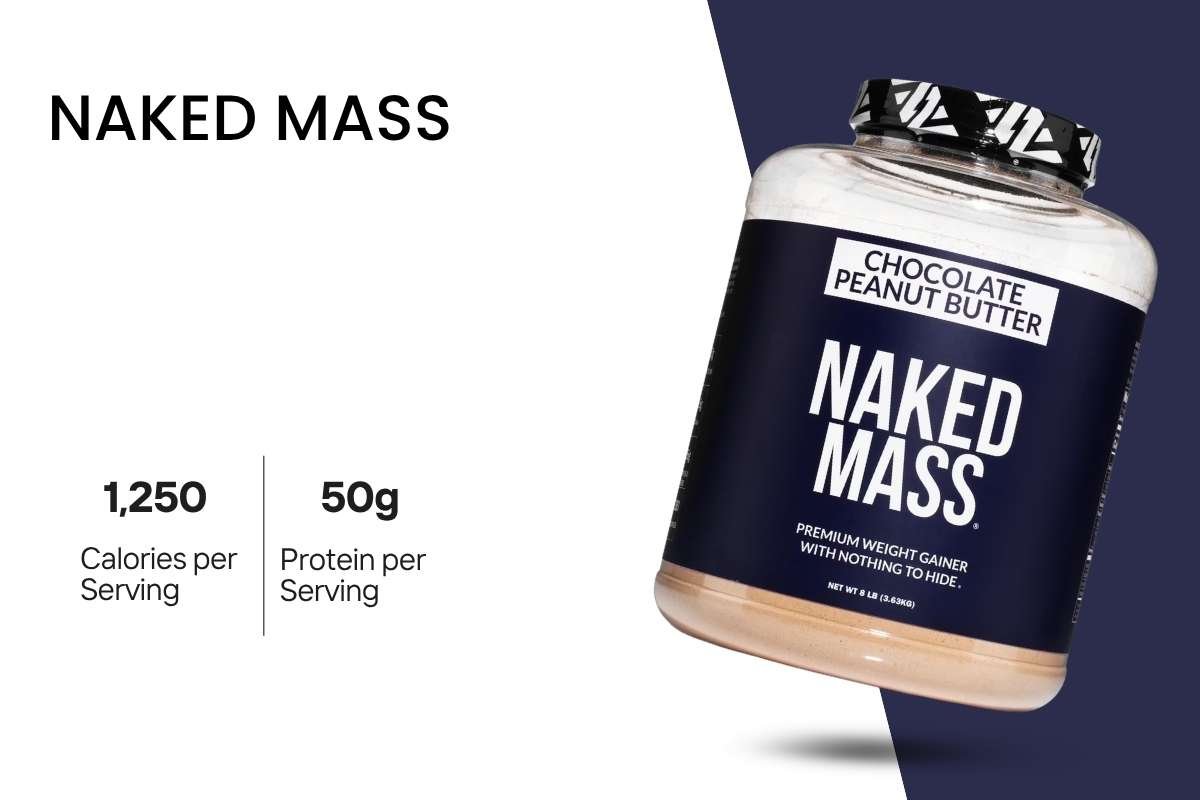
If you hate chemical additives, this is a top contender for the best protein powders for weight gain. It uses only three ingredients to give you 1,250 calories without any artificial junk.
- Calories: 1,250
- Protein Source: Grass-Fed Whey, Micellar Casein
- Carb Source: Organic Tapioca Maltodextrin
- Sugar Count: 5g per serving
This is a minimalist product that focuses on pure quality. It is GMO-free, soy-free, and gluten-free.
- Pros: Extremely clean; no artificial colors or sweeteners; low sugar.
- Cons: The unflavored version can taste ‘earthy’ on its own.
READ MORE:
- Best Protein Powders for Women in 2026 (Top Picks for Every Goal)
- Do Protein Shakes Work without Exercise?
5. Transparent Labs Mass Gainer – Best for High-Quality Carbs
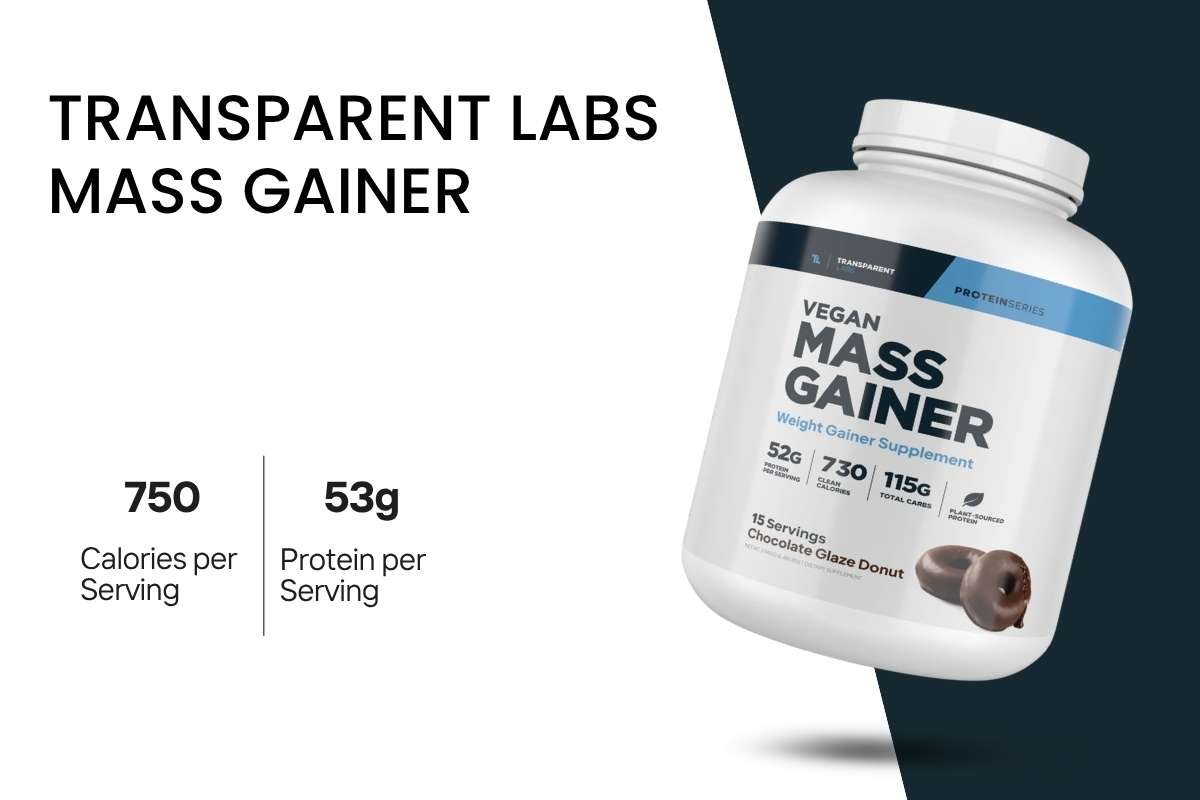
This product is the best protein powder for weight gain for people who want real food ingredients. It uses oats and sweet potatoes instead of just cheap sugars.
- Calories: 760
- Protein Source: 100% Grass-Fed Whey Concentrate
- Carb Source: Organic Tapioca Maltodextrin, Oat Flour, Sweet Potato Flour
- Sugar Count: 15g per serving
The Deep Dive: It uses natural sweeteners like Stevia and Monk Fruit. It is completely transparent with its label, so you know exactly what you are drinking.
- Pros: Natural ingredients; grass-fed protein source; no artificial junk.
- Cons: Higher price per calorie than budget gainers.
6. Myprotein Weight Gainer Blend – Best for Budget Users
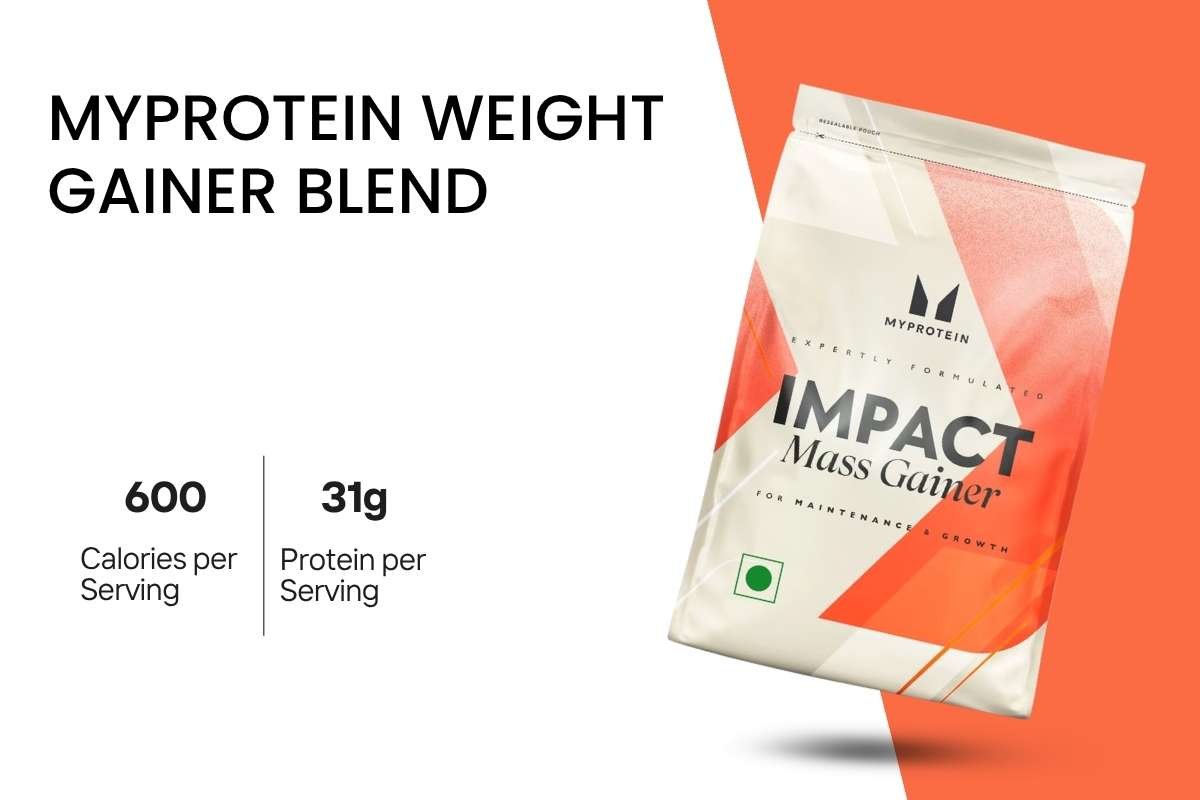
This is a solid, no-frills option that is easy on your wallet. It is the best protein powder for students or anyone who wants a steady bulk on a budget.
- Calories: ~388 per 100g serving
- Protein Source: Whey Protein Concentrate, Milk Protein Concentrate
- Carb Source: Ground Oats, Maltodextrin
- Sugar Count: 3g per serving
It uses ground oats as the main carb source, which is better for steady energy levels. It has a slightly ‘oaty’ flavor that many users find pleasant.
- Pros: Very affordable; low sugar count; good for daily use.
- Cons: Lower calorie count per serving compared to the ‘heavy’ gainers.
7. Huel Black Edition – Best for Healthy Meal Replacement
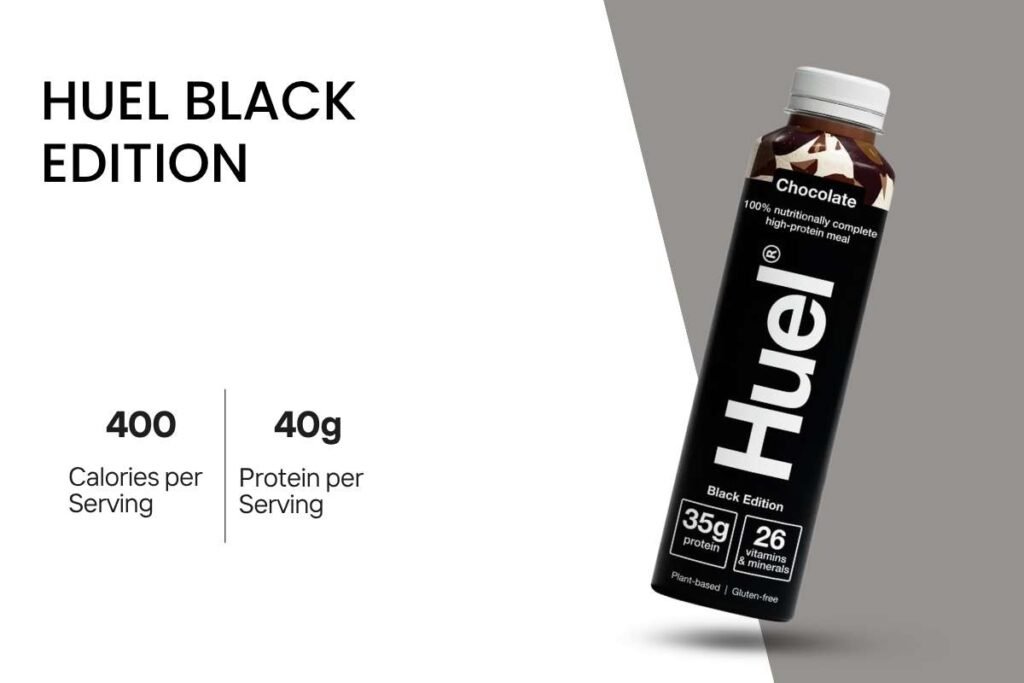
Huel is a ‘complete food,’ meaning it gives you a balanced mix of fats, carbs, and protein. It is the best option for busy people who want a healthy, plant-based meal.
- Calories: 400
- Protein Source: Pea Protein, Brown Rice Protein
- Carb Source: Tapioca Starch, Ground Flaxseed
- Sugar Count: 4g per serving
This formula is 100% vegan and gluten-free. It contains 27 essential vitamins and healthy fats like Omega-3 and Omega-6.
- Pros: Very high nutrition; vegan-friendly; great for “clean” gain.
- Cons: Requires drinking more servings to match the calories of a mass gainer.
How to Choose the Right Protein Powder for Weight Gain?
Choosing a protein powder is not about brand loyalty. It is about solving a nutritional equation.
Step 1: Identify Your Calorie Gap
Before anything else, think about how many extra calories you actually need. Most people need about 300-500 extra calories per day to gain weight steadily. If you train intensely or play sports, your calorie needs may be much higher.
Step 2: Choose the Right Protein Type
Once you know your calorie needs, the next step is choosing the type that fits your routine and digestion. Different proteins work in different ways, so it helps to understand what each one offers:
- Whey: Fast absorption
- Casein: Slow release
- Mass Gainers: Maximum calories
- Plant-Based: Dairy-free alternative
Step 3: Evaluate Digestive Tolerance
This step is often overlooked, but it matters more than you think. About 65% of people worldwide have some level of lactose sensitivity, according to NIH estimates. If dairy tends to upset your stomach, switching to plant-based protein may make your routine easier to follow.
Step 4: Compare Ingredient Transparency
Not all protein powders are created with the same level of care. When possible, look for products that are tested by third-party organizations. These certifications help reduce the risk of contamination and give you more confidence in what you are consuming.
Step 5: Calculate Cost Efficiency
A protein powder only works if you can afford to use it consistently. Choosing a cost-effective option makes it much easier to stick with your plan over time.
Which Type of Protein Powder is Right for You?
Before you choose from the best protein powders for weight gain, understand how each protein type works and fits into your daily routine.
- Whey Protein
- Derived from milk, whey protein contains all essential amino acids and supports rapid muscle recovery. It remains the most widely used supplement in strength training programs worldwide.
- Mass Gainers
- Mass gainers combine protein with high carbohydrate content to dramatically increase calorie intake. These products are especially useful for individuals who struggle to eat large meals.
- Casein Protein
- Casein digests slowly, making it suitable for overnight muscle recovery and long-term protein availability.
- Plant-Based Protein
- Typically derived from pea, soy, or rice, plant-based proteins offer allergen-friendly alternatives and are gaining traction due to sustainability trends.
How to Spot Ingredients That May Cause Problems?
Checking the ingredients can help you avoid problems and choose a product that supports your health over time.
Risk Analysis Table
| Ingredient | 2026 Clinical Insight |
| Maltodextrin | High intake harms the gut lining and raises inflammation risk of inflammation. |
| Sucralose | Reduces good gut bacteria in some adults. |
| Natural Sweeteners (Stevia/Monk Fruit) | No blood sugar spike; acts as a prebiotic. |
| Excess Added Sugar | Linked to prediabetes at >10g per serving. |
| Heavy Metals (Pb, Cd) | Plant-based powders typically contain 3x more lead than whey due to soil absorption. |
Which Protein Powder Works Best for Your Situation?
This persona-based model helps you narrow down the best protein powders for weight gain based on your lifestyle and goals.
| User Type | Recommended Type | Reason |
| Skinny Beginner | Mass Gainer | Maximum calorie intake |
| Athlete | Whey Isolate | Rapid recovery |
| Vegan | Plant Protein | Dairy-free |
| Busy Professional | Meal Replacement | Balanced nutrition |
| Elderly Individual | Casein Protein | Slow digestion support |
Mistakes to Avoid When Using Protein Powder
Even the best protein powders for weight gain will not help if you make a few common mistakes. Knowing what to avoid can help you see better results and stay consistent.
Common Mistakes to Watch For:
- Taking protein without adding enough calories: Protein alone will not help you gain weight if your total calories stay low.
Depending only on protein shakes: Protein powders help, but real meals still give your body the nutrients it needs.
Ignoring how your body reacts: If you feel bloating or discomfort, your body may not tolerate certain ingredients.
Choosing products only for taste: Good flavor matters, but nutrition and calorie content matter more.
Avoiding these mistakes can make your weight gain journey smoother and more effective.
FAQs
1. Is whey protein enough for weight gain?
Yes, whey protein can support weight gain if consumed with sufficient calories. However, mass gainers are more effective for rapid results due to higher carbohydrate content.
2. How many calories should a weight-gain protein powder have?
Most effective weight gain powders provide 400-1,200 calories per serving, depending on individual body goals.
3. Can protein powder replace meals?
Some meal-replacement protein powders can substitute meals occasionally, but whole foods remain essential for balanced nutrition.
4. Are protein powders safe for daily use?
Yes, protein powders are generally safe when consumed within recommended intake levels and sourced from reputable manufacturers.
How long does it take to gain weight using protein powder?
Most individuals notice measurable weight gain within 2-6 weeks when maintaining a consistent calorie surplus.