Key Takeaway:
- Food Preservatives Heart Risk was underscored in recent findings showing that certain common preservatives are linked to higher health dangers, including a 29% increase in high blood pressure and a 16% rise in heart attack and stroke risk.
- Even some “natural” antioxidant preservatives like citric acid and ascorbic acid were associated with a 22% higher risk of high blood pressure in higher consumers.
- The findings are observational but suggest that ultra-processed foods and additives may contribute to cardiovascular risk, reinforcing advice to prefer minimally processed foods.
Study Links Additives To Cardiovascular Risks
Food Preservatives Heart Risk has been highlighted in a French study published Wednesday, which analyzed more than 112,000 adults over a decade. The findings suggest that common preservatives used in packaged foods are linked to higher risks of elevated blood pressure, heart attack, and stroke.
The study published in the European Heart Journal analyzed dietary data from more than 112,000 participants in France and found that certain food preservatives were associated with a 29% higher risk of elevated blood pressure and a 16% increased risk of heart attack and stroke over time.
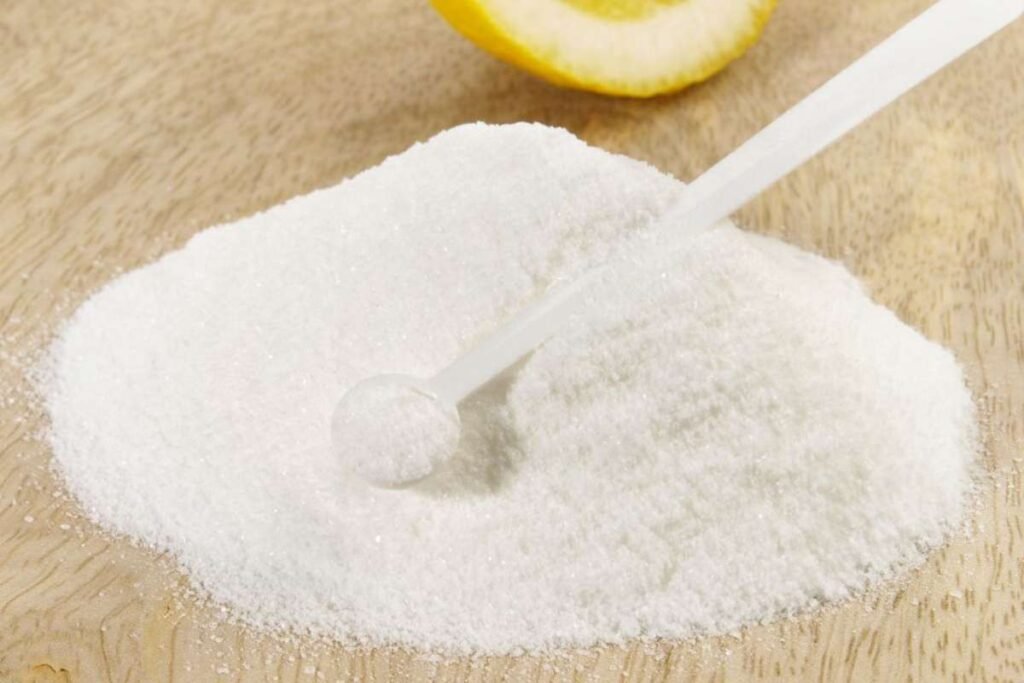
Food Preservatives Heart Risk was highlighted by researchers who found that so‑called natural antioxidant preservatives, including citric acid and ascorbic acid, were associated with a 22% higher risk of high blood pressure among people with higher intake, challenging assumptions that such additives are harmless.
Tracy Parker said the findings highlight how examining individual additives helps explain why ultra-processed foods may carry higher cardiovascular risks beyond sugar, salt, and fat alone.
Ultraprocessed foods overall have been associated with about 50% higher risk of cardiovascular disease-related death and increased risks of obesity, type 2 diabetes, and sleep disorders, according to prior research cited by the study authors.
Researchers Identify Key Preservatives Of Concern
The research from France’s NutriNet-Santé cohort examined 58 preservatives and focused on 17 commonly consumed additives, identifying eight linked to higher blood pressure over the following decade, including potassium sorbate, potassium metabisulfite, and sodium nitrite.
Mathilde Touvier said in an email that while compounds like ascorbic acid occur naturally in fruits, chemically manufactured forms used as preservatives may have different health impacts, and findings do not apply to whole foods.
Anaïs Hasenböhler said preservatives are widely present across diets, and there is no single food group to eliminate, urging people to favor minimally processed foods and frozen options without additive preservatives.
The cohort relies on detailed self-reported dietary tracking, with participants recording all foods and beverages by brand for three days every six months, allowing researchers to match ingredient data with long-term medical outcomes from France’s national health system.
Experts Weigh Benefits And Limits Of Findings
Food Preservatives Heart Risk was noted by Gunter Kuhnle, who explained that preservatives play a critical role in preventing food‑borne illness, reducing waste, and extending shelf life, and should be considered within the broader context of food safety and access.
Rachel Richardson said the study is observational and cannot prove causation but shows strong signals that warrant further research, noting strengths in dietary tracking and health data linkage.
Previous studies by the same research team have also linked certain preservatives to higher risks of cancer and type 2 diabetes, reinforcing concerns about the long-term health effects of some additives commonly found in ultra-processed foods.
Nitrates and sulfur-based preservatives such as sodium nitrite are already known to be linked with cardiovascular risk due to their presence in processed meats, suggesting consistency with prior evidence, some experts note.
Food Preservatives Heart Risk was emphasized by researchers, who noted that preservatives are widespread across many food categories. Because there is no single item to eliminate, they recommend prioritizing minimally processed foods and frozen products that do not rely on chemical preservatives for storage stability.
While the findings are observational and cannot establish causation, researchers say they strengthen calls for further investigation into how specific food additives may contribute to long-term cardiovascular risk in large populations.
Visit Healthcare 360 Magazine For The Most Recent Information.