Key Takeaway:
- Scientists explain that overall dietary patterns, such as the Mediterranean and MIND diets, play a more significant role in brain health than focusing on individual Brain Healthy Foods marketed as “superfoods.”
- Foods such as fatty fish, leafy greens, blueberries and nuts show the strongest evidence for supporting memory, mood and cognitive function.
- Experts caution that no single food prevents dementia, but consistent healthy eating and hydration may help reduce cognitive decline over time.
Nutrition researchers highlight that Brain Healthy Foods such as fatty fish, blueberries, and leafy greens may support cognitive function. However, scientists emphasize that long-term dietary patterns are more important than relying on individual “superfoods” or marketing claims.
Scientists Link Diet Patterns to Brain Health
Researchers studying nutrition and cognition report that evidence increasingly supports a connection between diet and brain function, including memory, mood, and cognitive decline. Experts highlight the Mediterranean and MIND diets as the most researched eating patterns that emphasize Brain Healthy Foods for long-term brain health.
“People eat combinations of foods, not isolated nutrients,” nutrition researchers noted in a review examining brain-focused diets. The report said many popular claims exaggerate findings from small or short-term studies while ignoring broader dietary habits.
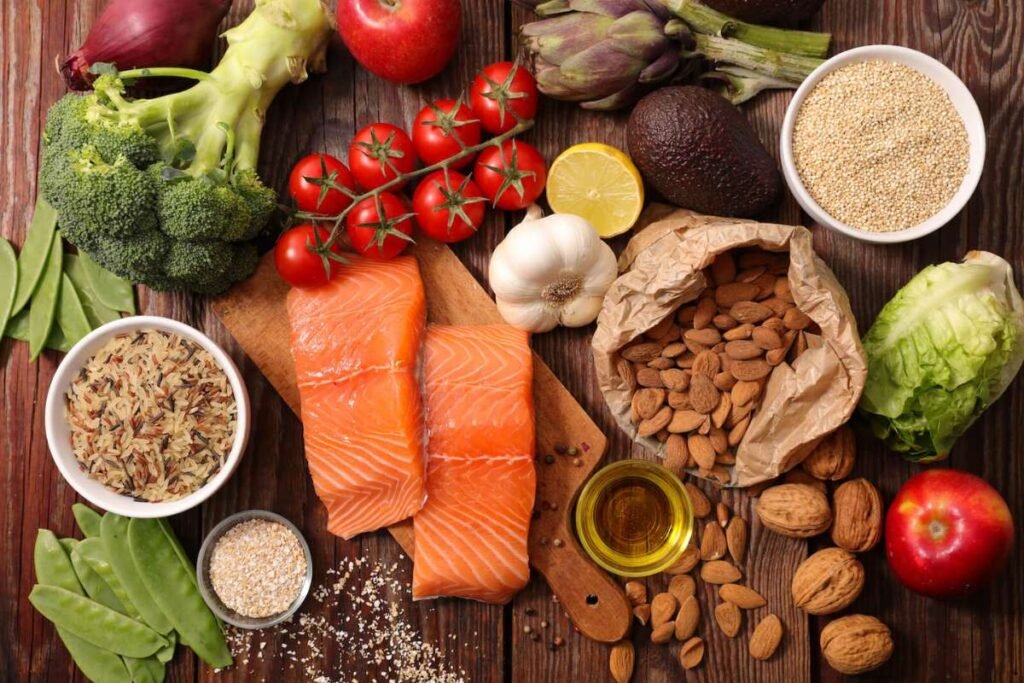
Scientists say foods rich in omega-3 fatty acids, antioxidants, vitamins, and anti-inflammatory compounds appear to provide the strongest evidence. Fatty fish such as salmon, sardines, and mackerel remain among the most consistently supported foods because they contain DHA and EPA, omega-3 fats essential for brain cell function.
Researchers also highlighted Brain Healthy Foods such as leafy green vegetables, nuts, and eggs for nutrients linked to memory and nerve signaling. Studies from the Rush Memory and Aging Project found that older adults who regularly consumed leafy greens experienced slower cognitive decline than those who rarely ate them.
“Mechanism matters,” the report said, noting that foods with established biochemical effects on the brain provide more reliable evidence than observational trends alone.
Blueberries, Dark Chocolate Show Cognitive Benefits
Clinical trials have also examined foods linked to short-term improvements in attention and memory. Blueberries, rich in anthocyanins, have shown potential benefits in studies involving older adults with mild memory decline.
A 2010 study published in the Journal of Agricultural and Food Chemistry reported improvements in memory tests among older adults who consumed blueberry juice daily for 12 weeks. Researchers believe anthocyanins may reduce oxidative stress and support neuron growth in memory-related brain regions.
Dark chocolate with high cocoa content has also drawn scientific interest because of flavanols that improve blood flow. A large clinical study known as COSMOS-Mind found that cocoa flavanol supplementation reduced cognitive decline in older adults with lower flavanol intake.
Green tea and coffee also remain widely studied for cognitive effects. Scientists say caffeine improves alertness and concentration, while compounds in green tea may promote calm focus. Long-term coffee consumption has been associated in several studies with lower risks of Parkinson’s disease and dementia.
Researchers stressed, however, that no single food prevents Alzheimer’s disease or guarantees cognitive longevity.
Experts Warn Against “Superfood” Marketing Claims
Scientists cautioned consumers against viewing any food as a cure-all. Most nutrition research relies partly on self-reported diets and long observation periods, making conclusions difficult to isolate with certainty.
“The actual science is less dramatic and more useful,” researchers said, emphasizing that consistency over time matters more than occasional consumption of trendy foods.
Hydration also emerged as a major factor in cognitive performance. Studies show even mild dehydration can impair attention, memory, and mood. Researchers recommend regular fluid intake, especially for older adults who may not recognize thirst signals quickly.
Other Brain Healthy Foods highlighted in current research include broccoli, avocados, fermented foods, turmeric, whole grains, pumpkin seeds, legumes, citrus fruits, and pomegranates. Many of these contain compounds linked to reduced inflammation, improved blood flow, or antioxidant protection.
Public health experts continue to recommend balanced diets emphasizing vegetables, fruits, healthy fats, and minimally processed foods rather than supplements or heavily marketed “brain boosters.”
Visit Healthcare 360 Magazine For The Most Recent Information.