Key Takeaway:
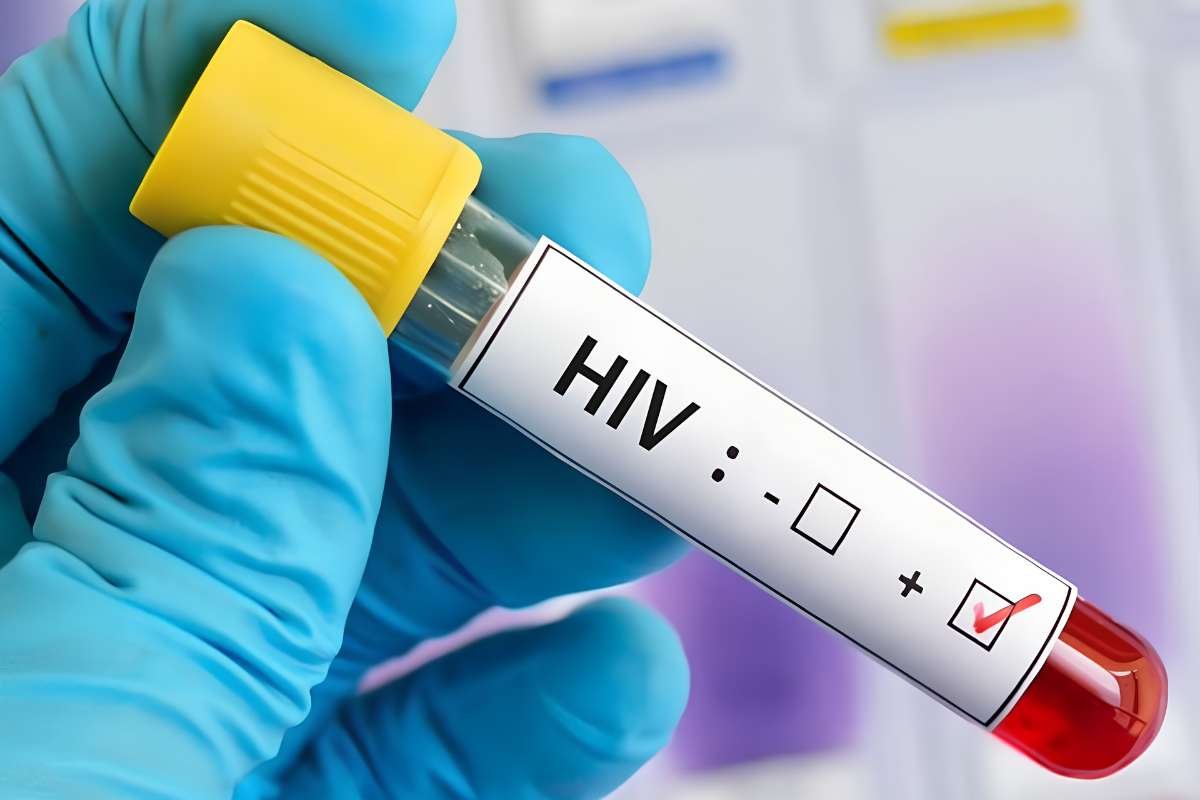
- The American Cancer Society now recognizes Blood Test And Colorectal Cancer screening as part of its updated guidelines. Adults age 45 and older who avoid colonoscopy or stool-based tests can now consider the Shield blood test as an alternative option.
- Colonoscopy remains the most effective method, while blood tests are a secondary option due to lower accuracy in detecting early or precancerous changes.
- Expanded screening choices aim to improve participation and catch colorectal cancer earlier, especially as cases rise in younger adults.
The American Cancer Society announced on Wednesday that its updated guidelines now recognize Blood Test And Colorectal Cancer screening as an option for average-risk adults age 45 and older. This test is recommended for individuals who decline or do not complete traditional colonoscopies or stool-based exams.
The updated guideline adds the Shield blood test, developed by Guardant Health and approved by the U.S. Food and Drug Administration in 2024, as a recommended screening option for colorectal cancer. The organization said the move aims to increase screening rates among people reluctant to undergo colonoscopies or stool-based testing.
Colorectal cancer, which affects the colon or rectum, has been rising among younger adults in recent years. Health experts say early detection remains critical because survival rates improve significantly when cancer is found before symptoms appear.
The American Cancer Society continues to describe colonoscopy as the preferred screening method because it can detect and remove precancerous polyps in a single procedure. Stool-based tests also remain recommended options.
Doctors Say Blood Tests Could Reach More Patients
Researchers who published the updated recommendations in CA: A Cancer Journal for Clinicians said blood-based tests should be used mainly for patients who refuse or cannot complete standard screening methods.
“A blood-based test is not the first choice because it is less sensitive in detecting precancerous polyps,” said Dr. William Dahut, chief scientific officer for the American Cancer Society.
Still, Dahut said expanding options may encourage more people to get screened.
“There are a lot of people who can’t or won’t do a colonoscopy, or the idea of collecting their own stool for testing, they just won’t do,” Dahut said. “Having more options, hopefully, will allow more people to be screened to find cancers earlier on.”
The guideline also adds two stool-based tests: Cologuard Plus, an updated version of Cologuard, and ColoSense, a newly approved test developed by Geneoscopy. Both tests allow patients to collect samples at home and send them to a laboratory for analysis.
Doctors say screening can also help prevent cancer because most colorectal cancers begin as precancerous polyps that can be removed during visual examinations.
According to the American Cancer Society, research shows that Blood Test And Colorectal Cancer screening can play a vital role in early detection, as more than 90% of patients diagnosed at stages I and II survive at least five years after diagnosis.
Experts Call Updated Guidance Practical but Imperfect
Outside experts said the revised guideline reflects the need to improve screening participation rates, especially among younger adults.
Dr. Ursina Teitelbaum, a gastrointestinal oncology professor at the University of Pennsylvania and section chief of gastrointestinal cancers at Penn Medicine, called the recommendations “forward thinking and reality-based.”
Teitelbaum explained that Blood Test And Colorectal Cancer screening remains imperfect, as it may miss early-stage cancers and precancerous lesions. Still, she emphasized that broader access to screening could help improve patient outcomes.
“It all harkens, though, to ‘perfect’ is the enemy of good,” Teitelbaum said in an email.
Dr. Scott Kopetz, a gastrointestinal medical oncologist at The University of Texas MD Anderson Cancer Center, said additional blood-based screening tests are likely to emerge as technology improves.
“This is the first blood-based test, but won’t be the last,” Kopetz said in an email. “The technology will only improve from here.”
Kopetz cautioned that patients willing to undergo colonoscopies or stool-based tests should continue using those methods because they remain more effective at detecting precancerous growths.
The American Cancer Society said the new recommendation is intended to reduce barriers to screening and increase early cancer detection rates among adults at average risk.
Visit Healthcare 360 Magazine For The Most Recent Information.