Key Takeaway:
- A rare Lyme disease bacterium, Borrelia mayonii, was detected as part of the growing concern over lyme disease in new york, following a confirmed case in Herkimer County.
- Experts say the bacterium remains extremely rare and appears confined to a small area, though it can cause more severe symptoms than typical Lyme disease.
- The discovery comes as Lyme disease cases continue to rise across New York and the Northeast, highlighting the importance of tick-bite prevention.
A rare Lyme disease bacterium, Borrelia mayonii, has been identified as part of the growing concern over lyme disease in new york, marking the first time it has been detected in the state. State and federal researchers traced the infection last July in Herkimer County, confirming its presence.
State Detects A Rare Lyme Species
The Centers for Disease Control and Prevention reported Thursday that the infection was found in an adult who lives in Herkimer County and had not recently traveled. The county stretches from the edge of Utica into the Adirondack Mountains.
New York State Health Department investigators later found several ticks on the person’s wooded property that tested positive for the bacterium. But a broader search of more than 1,500 ticks from 24 counties did not turn up another case, suggesting the organism remains limited in scope.
The health department said the discovery was unexpected but not impossible. “While this finding was unexpected, we do know that a range of ticks and tick-borne diseases can change geographically over time,” a department spokesperson said in an email.
Scientists say they do not know exactly how the bacterium reached Herkimer County. Douglas Norris, a professor of molecular microbiology and immunology at the Johns Hopkins Bloomberg School of Public Health, said it probably has been present in New York ticks for a few years, but only in a very small area.
Symptoms May Look Different
Lyme disease in the United States is most often caused by Borrelia burgdorferi, the better-known of the two species. However, the discovery of B. mayonii adds a rare dimension to the growing concern over lyme disease in new york, as this bacterium had previously only been detected in Minnesota and Wisconsin, according to the CDC report.
Researchers know less about B. mayonii because there have been so few infections to study. Mayo Clinic scientists identified the bacterium in 2016, decades after B. burgdorferi was identified.
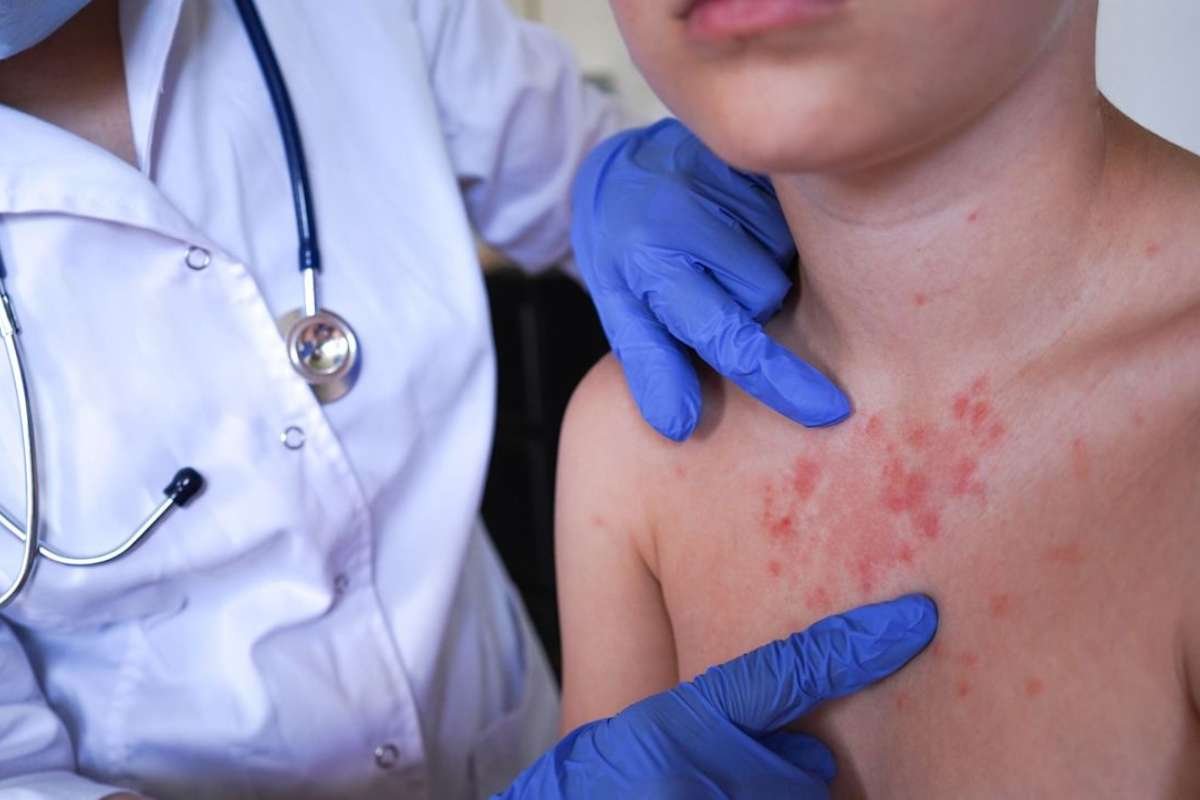
Both types can begin with fever and headache, but B. mayonii is more likely to cause nausea and vomiting, Norris said. It may also produce a more widespread rash rather than the classic bull’s-eye rash often associated with Lyme disease.
Dr. Bobbi Pritt, a pathologist at the Mayo Clinic and one of the scientists who discovered B. mayonii, said the infection can also bring more neurological symptoms. “There could be broader symptoms that we haven’t seen yet,” she said.
The health department would not say what symptoms the New York patient had.
Lyme Risk Keeps Rising In The Northeast
The finding comes as Lyme disease continues to spread across the Northeast. New York state health data show Lyme incidence rose by nearly 450% from 2020 to 2024, increasing from about 37 cases per 100,000 people to nearly 165 cases per 100,000.
Even so, experts expect B. mayonii to remain unusual. Pritt said B. burgdorferi will likely remain the dominant cause of Lyme disease in the United States. In Minnesota, where B. mayonii has been seen before, it causes only about 2 of nearly 3,000 Lyme cases a year, according to the state health department.
The recent findings highlight that the bacterium remains rare in local ticks, yet it adds to the broader picture of lyme disease in new york. According to the health department, only 0.2% of nymphs, or young ticks, collected statewide carried B. mayonii, compared with about 1% of adult ticks. By contrast, B. burgdorferi infects roughly one-quarter of nymphs in the Northeast and half of adult ticks.
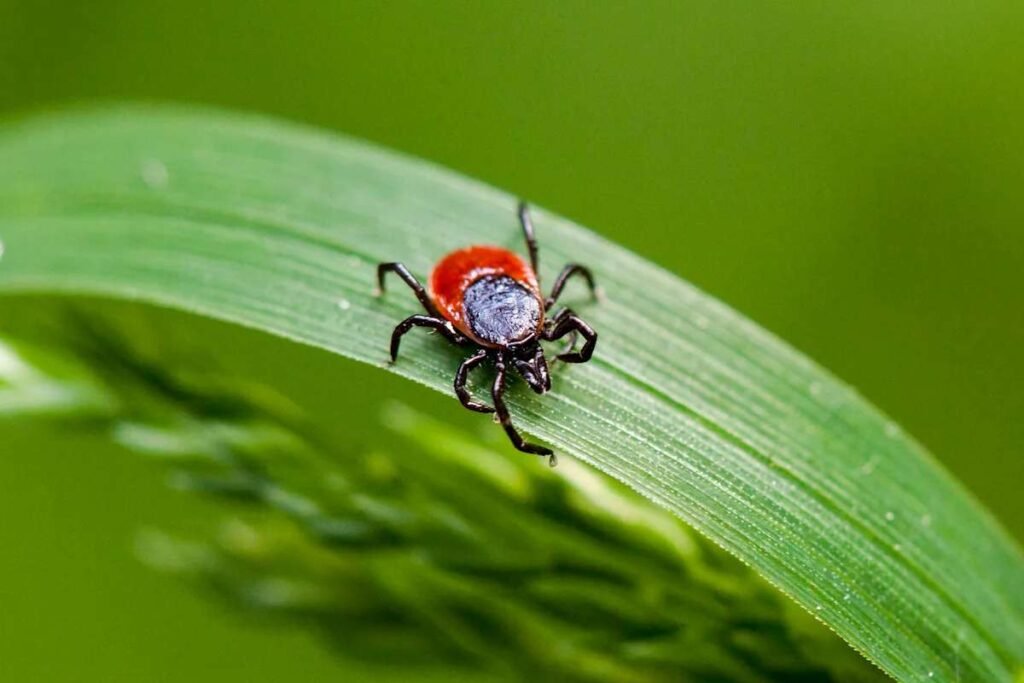
Ticks must usually stay attached for 24 to 48 hours before passing infection, making tiny nymphs especially dangerous because they are hard to spot, Norris said.
Pritt said people can lower their risk by staying in the center of hiking trails, wearing long sleeves, and tucking pants into socks. She also recommended repellents with 30% DEET or oil of lemon eucalyptus, along with tick checks after time outdoors.
“We don’t want people to be afraid of the outdoors,” Pritt said. “But ticks can transfer a whole host of things.”
Visit Healthcare 360 Magazine For The Most Recent Information.