Key Takeaway:
- A Virginia woman’s symptoms were initially mistaken for a stomach bug and an autoimmune disease before doctors diagnosed life-threatening sepsis and toxic shock syndrome.
- After spending 10 days in intensive care, including five days in a medically induced coma, she underwent a long recovery process.
- The survivor later co-founded the Begin Again Foundation to raise awareness about sepsis and help patients and families during recovery.
Virginia woman survives sepsis after mistaking her illness for a stomach bug and undergoing evaluation for an autoimmune disease in 2015. She nearly died from sepsis and toxic shock syndrome, an experience that inspired her to launch a foundation dedicated to raising awareness about these life-threatening conditions.
Severe Symptoms Lead To Intensive Care Admission
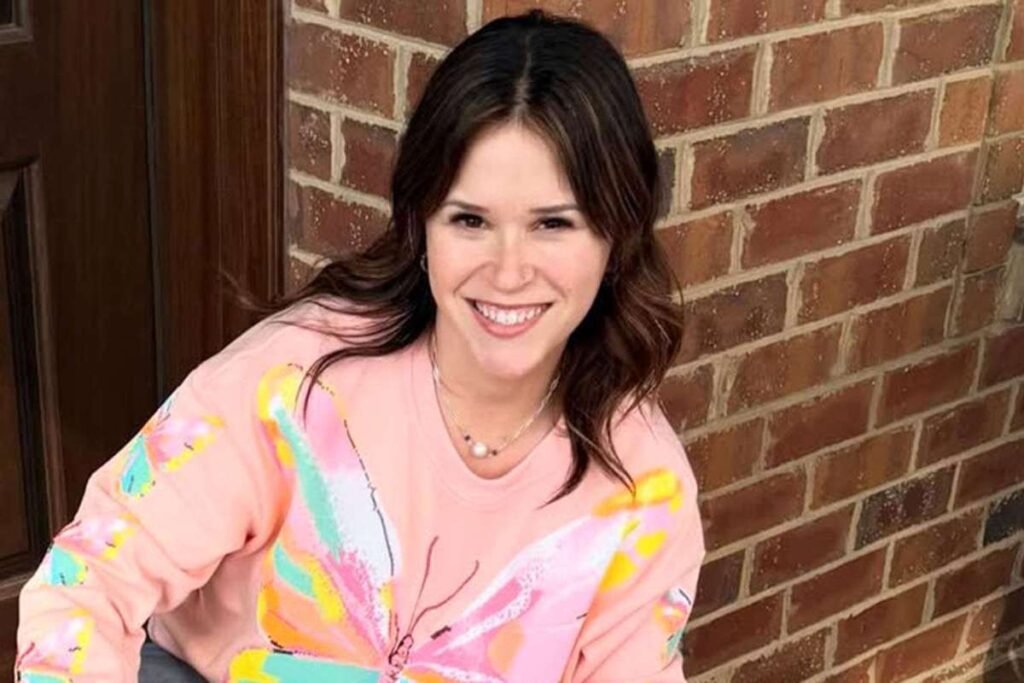
Audrey Leishman, now 42, began feeling ill in March 2015, two days after having an intrauterine device removed as she and her husband planned for another child. She said she resumed tampon use when her first menstrual cycle in 18 months began.
The following day, Leishman developed stomach cramps, severe joint pain, a high fever, nosebleeds, diarrhea, and shortness of breath.
“I could barely hold my 18-month-old son because I was so weak,” Leishman said. “My temperature was 102°F.”
She sought treatment at an urgent care facility, where doctors initially suspected an autoimmune condition. As her condition worsened, she underwent extensive testing before being admitted to a hospital.
“They kept testing me for different things,” Leishman said. “Eventually, they admitted me, and I was in the ICU for a total of 10 days — five of which were in a medically induced coma.”
Doctors Identify Sepsis And Toxic Shock Syndrome
Medical teams later diagnosed Leishman with sepsis and toxic shock syndrome, but the Virginia woman survives sepsis and continues to share her story to raise awareness about these life-threatening conditions.
According to medical experts, sepsis is a life-threatening response to infection that can damage tissues and organs and may lead to organ failure or death if not treated quickly. TSS is a rare but serious complication caused by certain bacterial infections.
Leishman said she had never heard of sepsis before her diagnosis and believes greater public awareness could help people seek treatment sooner.
“I had never heard of sepsis, and I realized that was why I almost died,” she said. “If I had known what the symptoms were and what to look out for, I would have sought treatment earlier.”
After emerging from the coma, Leishman faced a lengthy recovery that included physical therapy and relearning basic movements.
“When I finally did wake up, it was quite the process of relearning how to walk again,” she said.
Survivor Turns Experience Into Public Awareness Effort
The experience of nearly losing her life led Leishman and her husband, Marc Leishman, to establish the Begin Again Foundation. Inspired by the fact that the Virginia woman survives sepsis, the nonprofit is dedicated to supporting patients and raising awareness about sepsis and related health conditions.
Leishman said the organization aims to help individuals and families navigate the challenges that often follow serious illness.
“In a time when people are struggling, if I can help ease that burden so they can focus more on the recovery,” she said, “it is my absolute passion and honor to continue to do that.”
Health advocates say sepsis awareness remains important because symptoms can resemble less serious illnesses, potentially delaying diagnosis and treatment.
Leishman said sharing her story is intended to encourage people to recognize warning signs and seek medical attention when symptoms rapidly worsen.
Visit Healthcare 360 Magazine For The Most Recent Information.