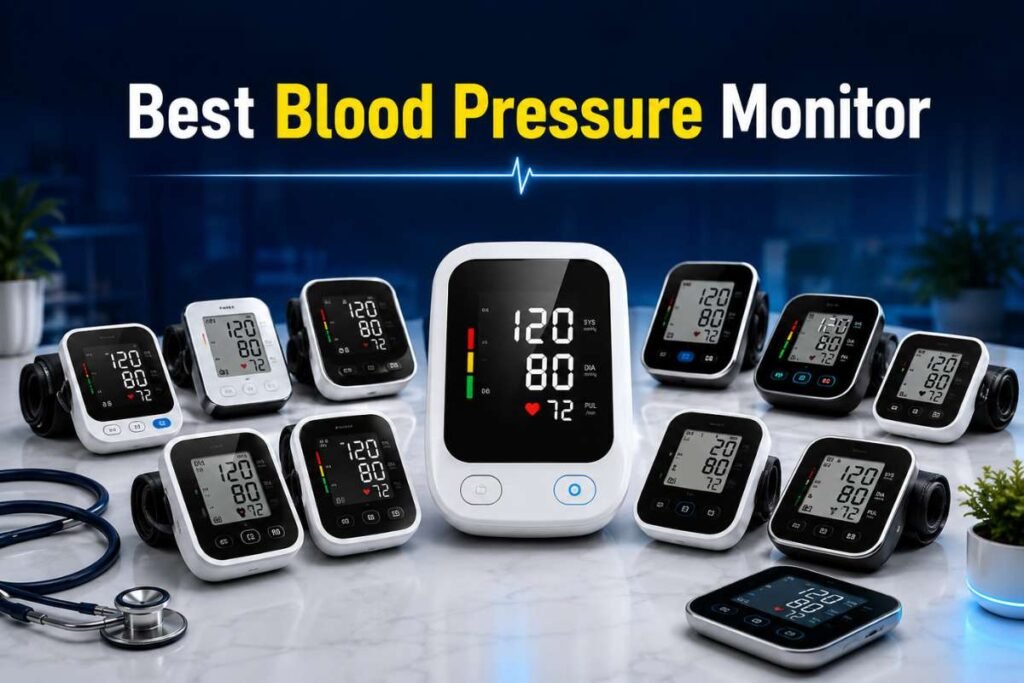
Finding the best blood pressure monitor requires choosing a clinically validated upper-arm device. Brands like Omron, A&D Medical, Withings, iHealth, and Contec are trusted for accuracy and user-friendly features. The right choice depends on your arm size and how you want to track your data. Read on to learn the essential steps to prepare your body for a truly accurate reading at home today.
Nearly half of all adults in the United States have high blood pressure, according to data from the Centers for Disease Control and Prevention (CDC). Often called the silent killer, this condition typically has no warning signs, making regular monitoring a vital part of your long-term health.
While your annual check-up provides a snapshot of your cardiovascular status, daily tracking gives you the full picture. Finding the best blood pressure monitor isn’t about selecting the device with the most smartphone apps or bells and whistles. It is about choosing a clinically validated tool that ensures you and your doctor are making decisions based on accurate data, not guesswork.
Why is Clinical Validation The Most Important Feature?
Many shoppers confuse ‘FDA cleared’ with ‘clinically validated’. Being FDA-cleared generally means the device is safe to sell, but it does not always guarantee that the device has passed rigorous independent testing for accuracy.
To find the best blood pressure monitor, look for evidence that it has passed a formal validation protocol.
Organizations like the American Medical Association (AMA) and independent databases such as Stride BP maintain lists of devices that have been proven accurate in peer-reviewed clinical settings. Without this validation, a device might provide readings that are consistently too high or too low, leading to unnecessary stress or a false sense of security.
How Do You Choose The Best Blood Pressure Monitor For Your Needs?
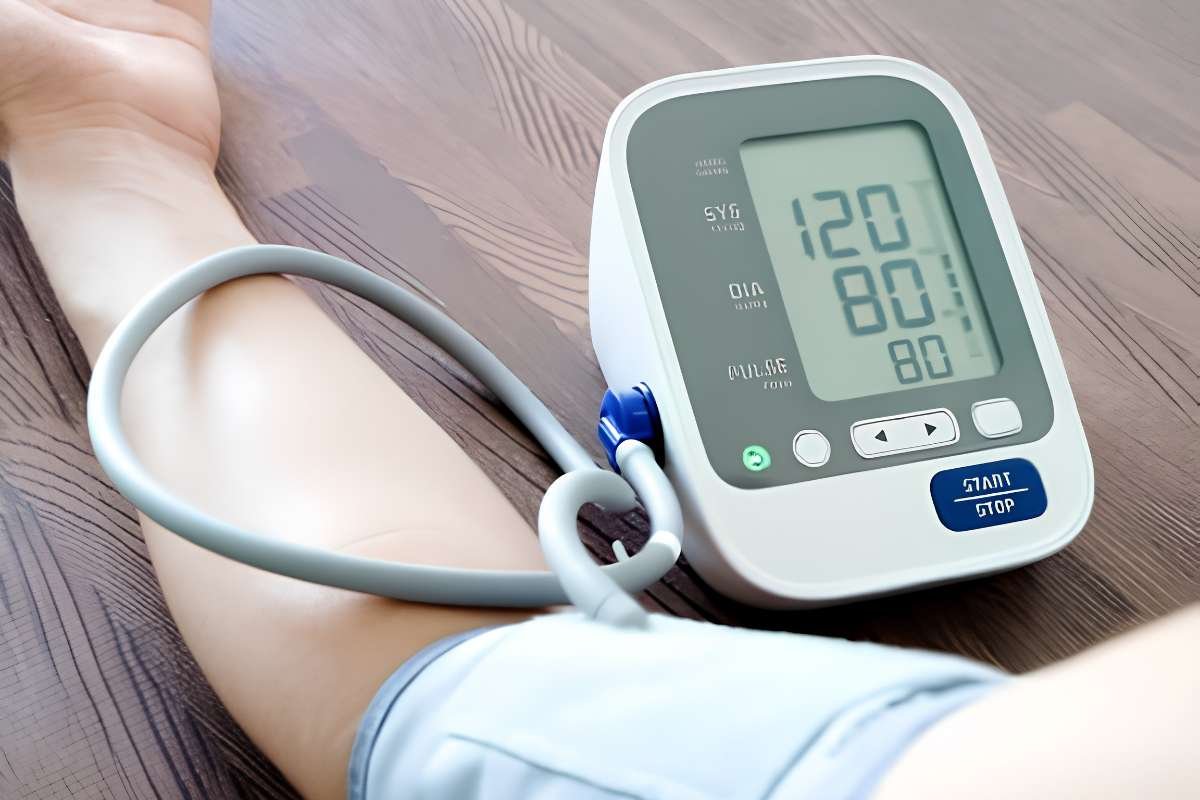
Your physical comfort and specific health needs are the most important factors when picking a monitor. The most common mistake is buying a cuff that does not fit your arm properly. A cuff that is too small can give an artificially high reading, while one that is too large may give a reading that is too low. Always check the cuff size against your arm circumference before you decide.
When looking at devices, prioritize an upper-arm monitor whenever possible. These are considered the clinical standard for accuracy because they measure blood pressure at the same level as your heart.
If you have limited mobility, you might consider a wrist monitor, but keep in mind that you must hold your wrist at heart level for it to work accurately.
Beyond the hardware, consider features that fit your daily routine:
- Memory Storage: Helpful if you want to track your numbers over time without using a smartphone.
- App Connectivity: Useful for tech-savvy users who want to automatically log readings and share them with a doctor.
- Ease of Use: Look for large displays or simple one-touch buttons if you find small buttons or complex menus frustrating.
As you look for the best blood pressure monitor, you will see many well-known manufacturers in the market. While this is not an exhaustive list, these brands are frequently cited for their focus on clinical accuracy and user-friendly design:
- Omron: Offers a wide range of devices, from simple home monitors to advanced models with Bluetooth and irregular heartbeat detection.
- A&D Medical: Often recognized for simple, straightforward operation and durable designs that are easy for many different users to understand.
- Withings: Known for minimalist, smart devices that sync data seamlessly to an app via Wi-Fi or Bluetooth for long-term trend tracking.
- iHealth: Focuses on app-based tracking and cordless designs, which can be convenient for those who prefer a modern, digital-first experience.
- Contec: Provides a variety of equipment often geared toward clinical utility, featuring simple interfaces and reliable hardware for basic monitoring.
Ultimately, the best monitor for you is one that is clinically validated, fits your arm size correctly, and is simple enough that you will feel comfortable using it every single day.
READ MORE:
- Worried about Future Health Problems? Use these 15 Preventive Healthcare Tips for Long-Term Wellness
- Breakthroughs in Healthcare Innovation 2025: What’s Transforming Patient Care?
How Do You Prepare For An Accurate Reading?
Even the best blood pressure monitor will provide faulty data if you are not prepared. The American Heart Association (AHA) recommends specific habits to ensure your measurements reflect your actual health rather than temporary spikes.
Use this checklist every time you sit down to track your numbers.
| Variable | Requirement for Accuracy | Why It Matters? |
| Caffeine/Exercise | Avoid for 30 minutes | Prevents temporary BP spikes |
| Posture | Feet flat, back supported | Improper alignment distorts readings |
| Rest Period | Sit quietly for 5 minutes | Calms the nervous system |
| Cuff Placement | Bare skin, heart level | Prevents reading compression errors |
When Should You Share Your Home Data With Your Physician?
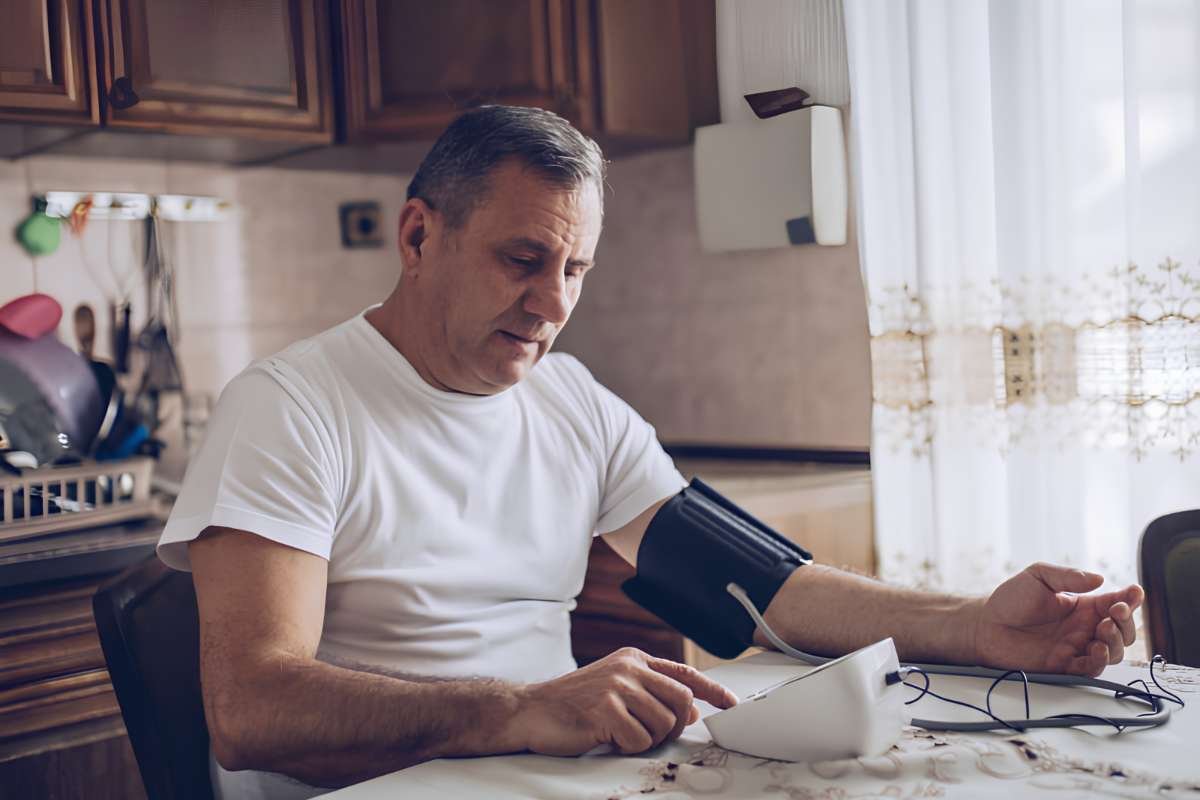
Collecting numbers is only useful if you know what to do with them. If you are monitoring your blood pressure, consider starting a “3-Day Log.”
Record your blood pressure twice in the morning and twice in the evening for three consecutive days. Presenting this clear, averaged data to your doctor is significantly more helpful than showing them a handful of random, scattered readings. This log helps your medical team understand your baseline and determine if your current treatment plan is working or needs adjustment.
What Should You Do If You Get A High Reading?
It is normal to feel anxious if you see a high number on your screen, but do not panic. A single high reading does not necessarily mean a medical crisis; it can be influenced by stress, a full bladder, or even a recent conversation.
Wait one minute, then take a second reading. If the number remains high, do not immediately attempt a third. Instead, note the time and keep a record. If your blood pressure is consistently high over several days, contact your primary care provider to discuss the trend. However, if you experience symptoms like chest pain, shortness of breath, or confusion, seek emergency medical care immediately.
Conclusion:
Choosing the best blood pressure monitor for your needs is a powerful step toward taking charge of your heart health. Remember, the most important factor is consistency, not just in the device you choose, but in how you prepare for and record your readings. By tracking your numbers accurately and sharing them with your doctor, you turn a simple daily habit into a vital roadmap for your long-term cardiovascular well-being.
FAQs
1. Which is more accurate: an arm monitor or a wrist monitor?
Upper-arm monitors are the clinical gold standard. Wrist monitors are highly sensitive to body position; if you do not hold your wrist perfectly at heart level, the reading will likely be inaccurate.
2. How often should I check my monitor’s accuracy?
Most experts recommend bringing your monitor to your doctor’s office once a year. You can have the nurse check your reading with the office equipment and compare it against your device to ensure it is still calibrated correctly.
3. Can a blood pressure monitor diagnose hypertension?
No. A device can track trends and identify high readings, but only a physician can officially diagnose hypertension. Never attempt to self-diagnose or change prescribed medication based solely on your home readings.
4. What does the ‘Pulse’ number on my monitor mean?
The pulse number indicates your heart rate in beats per minute. While blood pressure measures the force of blood against your artery walls, your pulse measures how fast your heart is beating during the measurement.
5. Is Bluetooth connectivity necessary for a good monitor?
It is convenient but not necessary. If you struggle to write down numbers manually, Bluetooth can help you sync data to your phone automatically. However, it does not improve the accuracy of the reading itself.