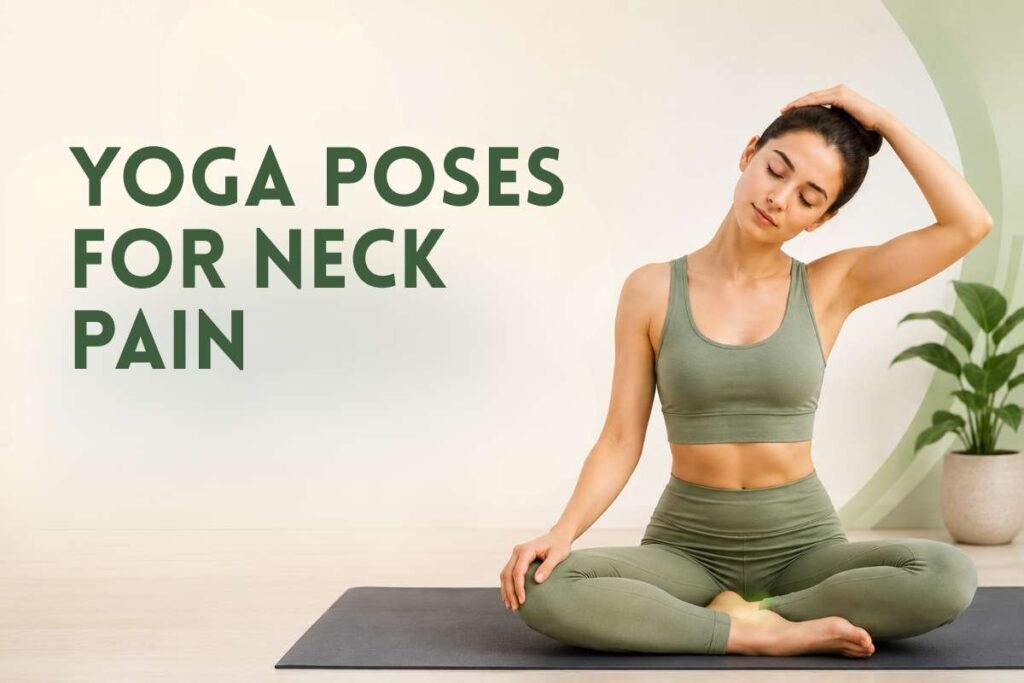
Yoga poses for neck pain can relieve stiffness, improve posture, and reduce muscle tension when practiced correctly. Learn the best poses, a 10-minute daily routine, safety precautions, and prevention strategies to achieve lasting relief and understand when medical care is necessary
If you are dealing with chronic soreness from hours spent hunched over a desk or phone, specific Yoga Poses for Neck Pain can provide much-needed relief by lengthening tight muscles and correcting postural imbalances. In fact, research indicates that regular mind-body exercise can reduce chronic cervical pain intensity by up to 30%.
However, true relief depends on addressing the specific root cause. Whether it is postural strain or muscular weakness. This guide moves beyond simple stretches to explain the mechanics of each movement, helping you safely build a daily practice that restores mobility and supports long-term spinal health.
Table of Contents
Yoga poses for neck pain: can they really help?
Yes. Yoga Poses for Neck Pain can help when pain comes from tight muscles, stress, or posture-related strain. Research on chronic neck pain found yoga improved pain, disability, range of motion, and mood, with studies reporting benefits over usual care and home exercise.
Yoga may work by relaxing overworked neck and shoulder muscles, improving posture awareness, and gently increasing mobility. It can also reduce stress, which often makes neck tension worse.
What yoga cannot fix is serious injury, nerve compression, or pain with numbness, weakness, or symptoms that worsen quickly. In those cases, medical evaluation is important.
Best yoga poses for neck pain (step-by-step guide):
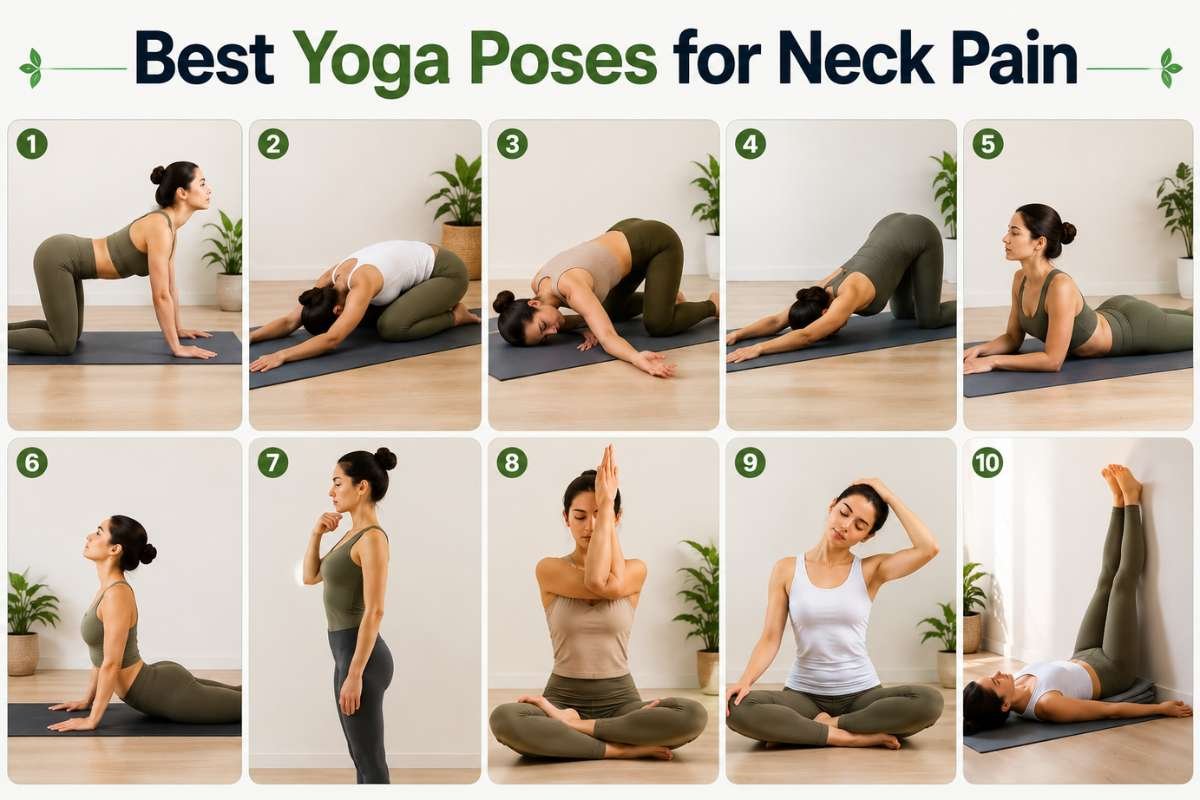
Yoga poses for neck pain can help if your pain comes from tight muscles, poor posture, or everyday stress. The best approach is gentle, controlled movement that eases tension without forcing the neck.
1. Cat-cow
What it helps: stiffness, upper-back tension.
Why it works: warms the spine and reduces guarding.
How to perform it: move slowly between arching and rounding on hands and knees.
Common mistakes: dropping the head too hard.
Beginner modification: keep the range small.
Who should skip it: pain with wrist or knee issues.
2. Child’s pose
What it helps: neck and shoulder release.
Why it works: encourages relaxation and length.
How to perform it: sit back and rest the forehead down.
Common mistakes: shrugging the shoulders.
Beginner modification: place a pillow under the chest.
Who should skip it: if kneeling hurts.
3. Thread the needle
What it helps: upper-back and shoulder tightness.
Why it works: opens the muscles that pull on the neck.
How to perform it: slide one arm under the body and rest gently.
Common mistakes: twisting the neck too far.
Beginner modification: keep the head supported.
Who should skip it: severe shoulder pain.
4. Extended puppy pose
What it helps: desk posture and upper-back tightness.
Why it works: stretches the shoulders and spine.
How to perform it: hips over knees, arms forward, chest lowering.
Common mistakes: collapsing into the neck.
Beginner modification: use blocks or a bolster.
Who should skip it: shoulder injury.
5. Sphinx pose
What it helps: mild back extension.
Why it works: strengthens support muscles without deep neck strain.
How to perform it: lie on your forearms and lift the chest gently.
Common mistakes: craning the head up.
Beginner modification: stay low.
Who should skip it: lower-back pain that worsens.
READ MORE:
- Bond-Building Yoga Poses Are The Stress Relief You Need Now
- Find Relief Naturally with the Best Yoga Poses for Back Pain
- Yoga for Calm: A 15-Minute Step-by-Step Routine to Quiet a Busy Mind
6. Cobra
What it helps: posture and front-body opening.
Why it works: builds strength with a gentle backbend.
How to perform it: lift the chest slightly with the neck neutral.
Common mistakes: overarching the neck.
Beginner modification: use a very small lift.
Who should skip it: neck pain triggered by extension.
7. Mountain pose with chin tuck
What it helps: posture awareness.
Why it works: trains a neutral head position.
How to perform it: stand tall, draw chin back slightly.
Common mistakes: tensing the jaw.
Beginner modification: practice near a wall.
Who should skip it: usually safe for most people.
8. Eagle arms
What it helps: upper-trap tightness.
Why it works: opens the upper back and shoulders.
How to perform it: wrap arms, lift elbows, breathe slowly.
Common mistakes: raising shoulders.
Beginner modification: keep arms lower.
Who should skip it: shoulder pain.
9. Seated neck stretch
What it helps: side-neck tightness.
Why it works: lengthens overactive neck muscles.
How to perform it: tilt gently, no pulling.
Common mistakes: forcing the stretch.
Beginner modification: hold the chair for support.
Who should skip it: nerve symptoms.
10. Legs up the wall
What it helps: tension relief.
Why it works: supports relaxation and stress reduction.
How to perform it: lie down with legs up against a wall.
Common mistakes: arching the low back.
Beginner modification: place a cushion under the hips.
Who should skip it: glaucoma or discomfort lying flat.
A simple 10-minute daily yoga routine for neck pain
Here is a gentle 10-minute routine for neck tension, designed to loosen tight muscles, improve posture awareness, and calm stress without overworking the neck.
1 minute breathing
Sit or lie down comfortably. Inhale through the nose for 4 counts, exhale for 6. Keep the shoulders soft.
2 minutes Cat-Cow
Move slowly on hands and knees, or do it seated. Inhale to lift the chest, exhale to round the spine. Keep the neck long.
1 minute Child’s Pose
Rest the hips back and let the forehead lower to the mat or a pillow. If kneeling hurts, skip this and stay seated.
2 minutes Thread the Needle
From all fours, slide one arm under the body and rest the shoulder and side of the head down. Hold 30 seconds on each side, breathing evenly.
1 minute Chin Tucks
Stand or sit tall. Gently draw the chin straight back, as if making a double chin, then release. Repeat slowly.
1 minute Eagle Arms
Wrap the arms, lift the elbows slightly, and breathe into the upper back. Switch sides halfway through.
2 minutes Relaxation
Lie on your back or sit supported. Let the jaw unclench, and the shoulders drop.
Frequency: Do this routine once daily or twice daily during flare-ups if it feels relieving. Hold the hold a bit longer, but go slowly. Do not force a stretch or push past sharp pain. If symptoms include numbness, weakness, dizziness, or pain that is getting worse, stop and seek medical advice.
When you should avoid yoga and see a doctor?

While gentle Yoga Poses for Neck Pain can safely relieve minor tension caused by poor alignment, specific “red flag” symptoms indicate that yoga is not the right choice and could worsen an underlying medical condition.
Avoid yoga and seek a comprehensive medical evaluation immediately if you experience any of the following symptoms:
- Radiating arm pain, numbness, or tingling: Signs of nerve root compression (cervical radiculopathy).
- Progressive weakness: Difficulty lifting your arm or dropping objects due to muscle weakness.
- Severe headaches or recent trauma: Potential signs of a structural injury like whiplash or structural instability.
- Fever or unexplained weight loss: Indicators of systemic issues, infection, or malignancy.
Daily habits that prevent neck pain from returning:

Specific Yoga Poses for Neck Pain practice will help you release the accumulated muscle tension, but long-term relief needs to focus on the daily behaviors that strain your cervical spine. Small, constant adjustments throughout the day prevent the stiffness from returning.
Your Daily Prevention Checklist:
- Optimize Desk Ergonomics: Position your computer screen so the top third is at eye level. Keep your shoulders relaxed and elbows bent at a 90-degree angle, ensuring your lower back is fully supported.
- Elevate Phone Positioning: Bring your mobile devices up to eye level instead of tilting your head downward. This simple shift drastically reduces the weight and structural pressure placed on your neck muscles.
- Take Movement Breaks: Change positions every 30 to 45 minutes. A quick stretch or a brief walk prevents your joints and supporting muscles from freezing into a rigid, hunched posture.
- Strengthen the Upper Back: Incorporate rows or resistance band exercises into your routine. Building strength in the middle trapezius and rhomboids provides better structural support for your neck.
- Support Your Sleep Posture: Sleep on your side or back, never on your stomach. Use a supportive pillow that maintains the natural curve of your neck, keeping your head aligned horizontally with your spine.
- Manage Stress & Stay Active: Mental tension frequently presents as physical tightness in the neck and shoulders. Prioritize regular aerobic activity, stay properly hydrated to keep intervertebral discs resilient, and use deep breathing to actively lower muscle tension.
Conclusion:
To relieve neck tension, you have to put together certain movements and conscious daily habits. Incorporating mindful yoga poses for neck pain into your routine will help you to counteract the physical toll of long hours on the screen, re-establish needed cervical movement, and develop sustained structural resilience. However, for lasting relief, consistency is key. Combine your daily mat practice with preventative measures like aligning your desk ergonomically and taking frequent movement breaks.
Pay attention to your body, move within a pain-free range, and focus on alignment rather than deep stretching to keep your spine fully supported.
FAQ:
1. Should you do yoga with neck pain?
There are several reasons why yoga can be beneficial for relieving neck pain. For one, yoga helps to stretch and strengthen the muscles in the neck.
2. What yoga pose is good for a pinched nerve in the neck?
Gentle yoga styles like Hatha or Restorative can help alleviate a pinched nerve in your neck by reducing tension and improving mobility.
3. How to loosen extremely tight neck muscles?
To quickly loosen extremely tight neck muscles, alternate 15 minutes of an ice pack (for inflammation) with a heating pad (to relax fibers). Then perform slow chin tucks, gently pulling your chin straight back to create a double chin, and gentle side tilts.
4. How often should I do yoga for neck pain?
For chronic neck pain, a consistent daily or near-daily practice is most effective. Aim for 10 to 15 minutes a day of gentle, mobility-focused yoga.
5. What exercises should I avoid with neck pain?
Avoid exercises that involve overhead lifting (like military presses), forceful full neck rotations, and traditional crunches or sit-ups that pull on your neck.