Key Takeaway:
- San Francisco confirms first local clade I mpox case linked to international travel exposure; patient is recovering.
- Health officials urge high-risk groups and travelers to get vaccinated to prevent spread.
- Mpox spreads through close skin contact; symptoms include fever, fatigue, and rash.
San Francisco health officials urge vaccinations after confirming a rare clade I mpox case linked to international travel exposure, marking the city’s first known infection from the strain as authorities work to prevent further spread.
Officials Confirm Rare Clade I Mpox Case Linked To Travel Exposure
The San Francisco Department of Public Health confirmed Tuesday that a city resident tested positive for clade I mpox after contact with a traveler carrying the virus, prompting renewed vaccination outreach efforts.
The infected person, who was not vaccinated against mpox, was hospitalized but is improving, officials said Thursday. The case represents the first confirmed clade I infection in a San Francisco resident.
Health officials said the exposure occurred through close contact with someone who had recently traveled internationally. Authorities are conducting contact tracing and monitoring potential exposures.
“There is currently no evidence of widespread community transmission,” the department said in a statement, adding that cases of clade I mpox remain rare in the United States.
Mpox spreads primarily through close skin-to-skin contact, including sexual activity, as well as prolonged personal interaction.
Health Department Encourages Vaccination For High-Risk Groups
City health leaders are urging people at higher risk of exposure to receive the mpox vaccine, particularly those planning international travel to regions where clade I infections have been reported, including parts of Europe and Africa.
“While anyone can get mpox, most reported cases are among gay, bisexual, and other men who have sex with men, as well as transgender persons who have sex with men,” the department said in its public advisory.
Officials emphasized that vaccination remains the most effective prevention tool. The vaccine is considered safe for immunocompromised individuals, including people living with HIV or those taking immunosuppressant medications.
The vaccine is not recommended for individuals previously infected with mpox, according to public health guidance.
Vaccinations are available through health care providers and local pharmacies. The city also offers resources for uninsured residents or those facing access barriers through publicly listed vaccination sites.
Symptoms, Monitoring Efforts, and Public Health Response Continue
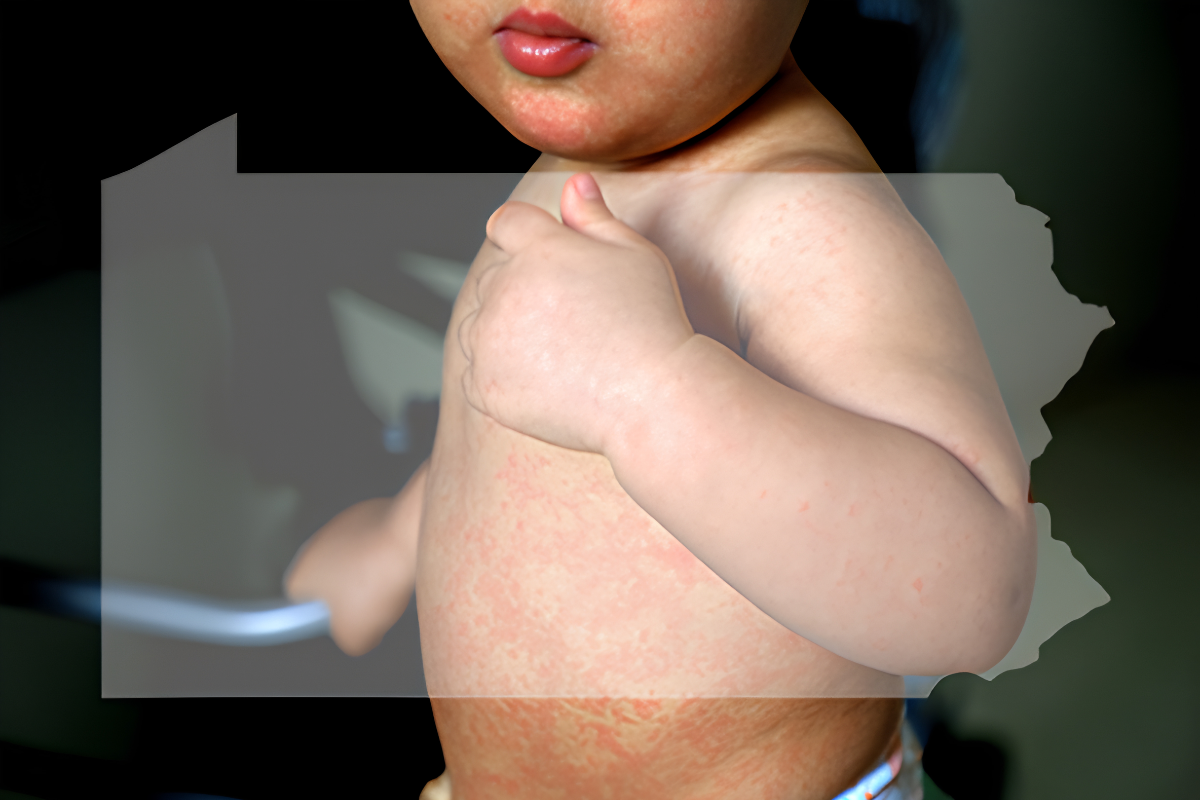
Health officials said mpox symptoms typically begin with fever, swollen lymph nodes, and fatigue, followed by a rash resembling pimples or blisters. Residents experiencing symptoms after potential exposure are encouraged to seek medical care and avoid close contact with others.
San Francisco previously experienced a 2022 outbreak driven by clade II mpox, a different strain from the newly confirmed clade I case. Public health experts said it remains unclear whether clade I causes more severe illness than clade II.
Officials stressed that early testing, vaccination, and awareness are key to limiting transmission.
“We are asking residents, especially those at higher risk, to stay informed and get vaccinated,” the department said. “Taking preventive steps now helps protect both individuals and the broader community.”
The department said it will continue monitoring the situation and provide updates if additional cases are identified.
Source: