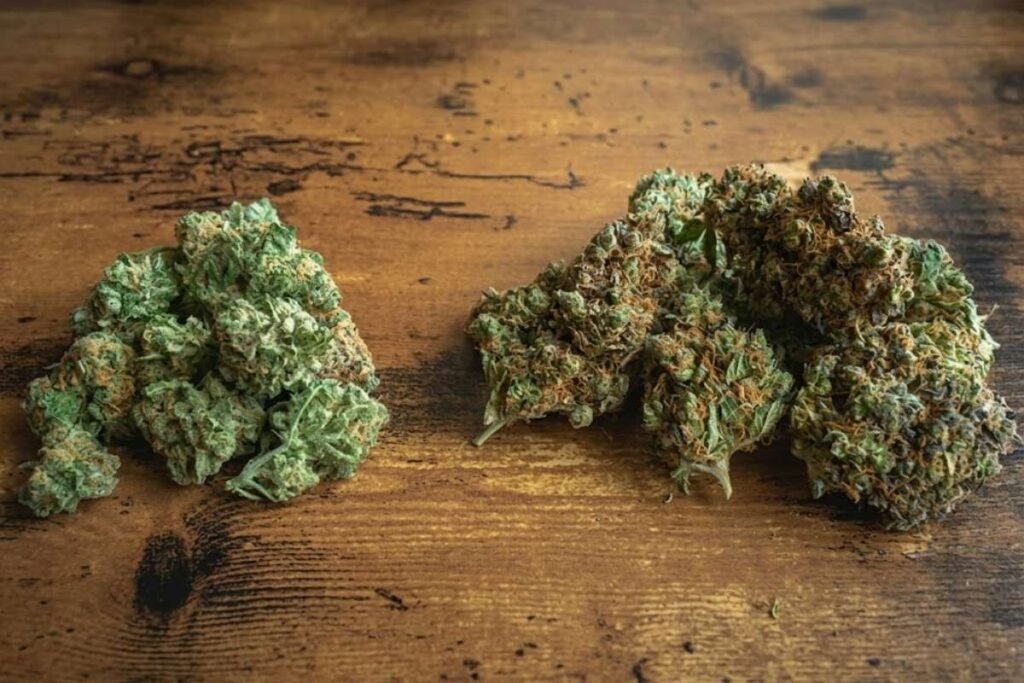
Sativa and indica cannabis buds have distinct physical structures, aromas, and chemical profiles. This guide explains the differences between sativa, indica, and hybrid cannabis. Differences are broken down by their growth habits, bud shapes, cannabinoids, and terpenes. By understanding them, you can identify different varieties and choose the right options for your wellness goals.
When comparing sativa bud vs indica bud, most people focus on one question: which one will produce the effects they want? It is suggested that sativa provides an uplifting, energetic experience while indica promotes relaxation and sleep.
While these labels remain popular, they do not always indicate the effect. The physical differences between sativa and indica plants are real. Their buds vary in structure, density, aroma, and growth patterns.
However, modern research shows that cannabinoids and terpenes play a larger role in shaping the consumer experience. This guide explores the key differences between sativa, indica, and hybrid cannabis. You’ll also learn to identify strains suitable for your health condition.
What is the Difference Between Sativa, Indica, and Hybrid Cannabis?
To understand how cannabis works, it helps to start with the physical plants. While growers use these terms to describe how a plant looks and grows, consumers use them to guess how the flower will make them feel.
When you compare a dried sativa bud vs indica bud side-by-side, you will notice differences in their shape, density, and aroma. Hybrids, as you might expect, fall right in the middle because they are a genetic mix of both parents.
Here is a breakdown of how these three categories differ across physical traits, sensory details, and quality signals:
| Feature | Sativa | Indica | Hybrid |
| Plant Growth | Tall plants with thin, narrow leaves. | Short, bushy plants with broad leaves. | Can resemble either parent depending on genetics. |
| Bud Appearance | Long, loose, and airy buds that feel lighter. | Dense, chunky, and tightly packed buds that feel heavier. | May be dense, airy, or somewhere in between. |
| Common Aromas | Citrus, tropical fruit, pine, herbs, and spices. | Earthy, musky, berry, sweet, and skunky scents. | Can combine aromas from both sativa and indica varieties. |
| Visual Quality Signs | Bright green color, vibrant orange or red hairs, and visible sticky trichomes. | Deep green or purple tones with a thick, frosty coating of trichomes. | Strong aroma, healthy color, and plenty of visible trichomes. |
| Common Effects | Uplifting, energetic, and mentally stimulating. | Relaxing, calming, and physically soothing. | Can lean toward either stimulation or relaxation depending on its chemical profile. |
These physical traits can help identify a flower. But the sativa bud vs indica bud comparison is less useful when predicting the actual experience.
A Deep Dive into Sativa Buds: Traits, Aromas, and Chemical Markers
To truly understand what makes a sativa bud vs indica bud different, we can look closer at the specific structural and chemical profile of sativa strains. These properties are formed inside the flower’s glandular trichomes during the growing cycle.
Bud Anatomy and Growth Habits
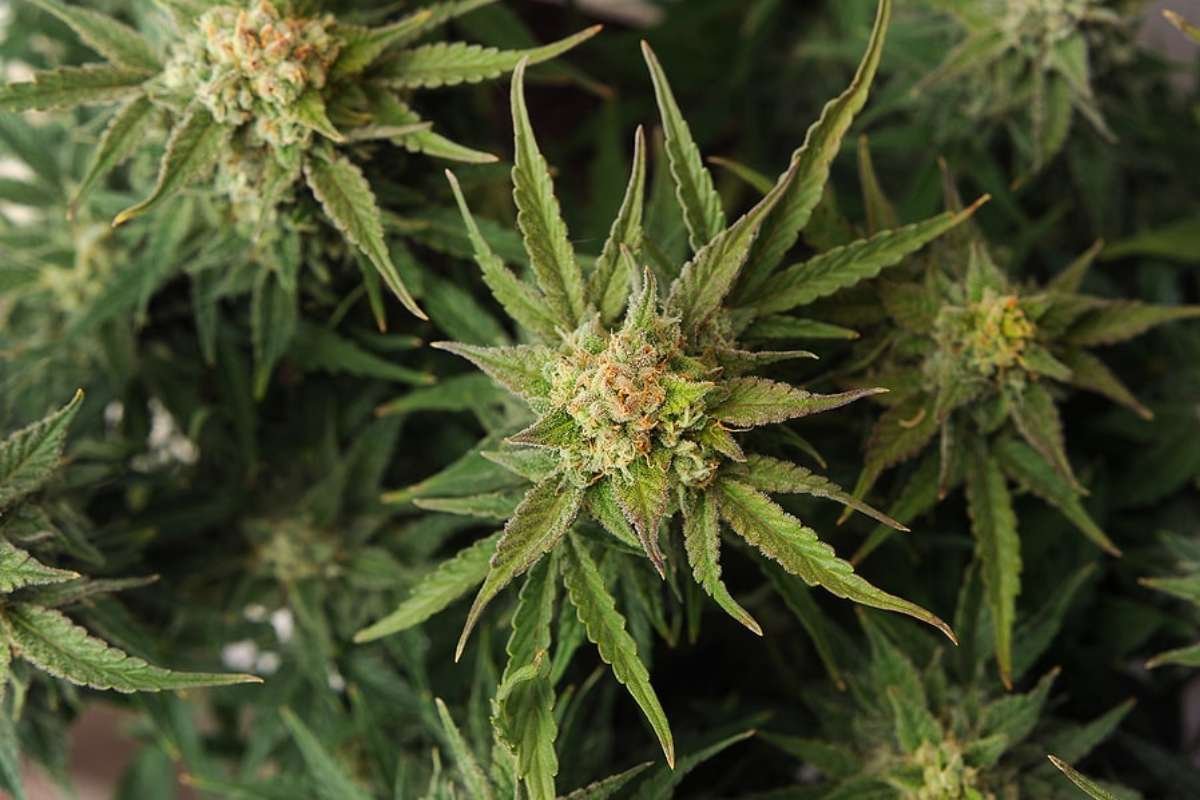
Sativa plants originally adapted to warm, humid tropical regions. Because they have to survive high humidity without molding, the plants grow tall and develop an open, airy branch structure. The resulting dried sativa bud mirrors this growth habit. It is typically long, narrow, and fluffy. Sativa buds weigh less than indica buds of the same size because they are not tightly packed.
Sensory Profiles and Visual Quality Signals
Fresh sativa flower features bright green hues followed by vibrant orange or red pistils (the tiny hairs winding through the bud). When handled, a high-quality sativa bud leaves a sticky residue. The residue comes from its clear, amber-tinted trichomes. It carries a sharp, uplifting aroma that also has tropical fruit, sweet citrus, and bright herbal notes.
Cannabinoid and Terpene Markers
The uplifting effects often linked to sativa strains come from a mix of cannabinoids and terpenes working together. This interaction is known as the Entourage Effect.
- Primary Terpenes: Sativa strains are often rich in limonene, pinene, and terpinolene. Limonene gives off a citrus scent and is commonly associated with mental clarity. Pinene has a pine-like aroma and is linked to alertness. Terpinolene adds floral, woody, and slightly sweet notes.
- Cannabinoid Traits: Sativa buds typically contain high levels of THC, the main psychoactive compound in cannabis. Some strains also contain small amounts of CBG (cannabigerol), a non-intoxicating cannabinoid that may support focus and mental alertness.
READ MORE:
- Bed Bug Bites Symptoms: Identification, Treatment, and Prevention
- Flea Bite vs. Bed Bug Bite: How to Tell the Difference and Stop the Itch
A Deep Dive into Indica Buds: Traits, Aromas, and Chemical Markers
In the sativa bud vs indica bud comparison, examining an indica strain reveals a completely different set of physical and chemical markers. These distinct chemical profiles separate the consumer experience from that of a sativa.
Bud Anatomy and Growth Habits
Indica plants originally adapted to harsh, arid, and mountainous climates like the Hindu Kush region. To protect themselves from cold nights and dry winds, these plants grow short, thick, and bushy. The resulting dried indica bud is remarkably dense, wide, and heavy. The flowers form tight, chunky clusters that feel firm when squeezed between your fingers.
Sensory Profiles and Visual Quality Signals
Indica buds display deep forest green colors, often accented by dark blue or purple undertones. Because they produce a dense layer of resin to protect against the elements, high-quality indica buds often look heavily frosted with white, crystal-like trichomes. The aroma is heavy and pungent, featuring deep notes of damp earth, rich musk, spicy pepper, and sweet berries.
Cannabinoid and Terpene Markers
The relaxing, full-body effects often linked to indica strains come from a unique mix of cannabinoids and terpenes. These compounds work together to create the calming experience many users associate with indica flower.
- Primary Terpenes: Indica strains are often rich in myrcene, caryophyllene, and linalool. Myrcene has an earthy aroma and is commonly associated with relaxation. Caryophyllene adds a spicy scent and may help support physical comfort. Linalool, which is also found in lavender, has a floral aroma and is often linked to stress relief and calmness.
- Cannabinoid Traits: Most indica strains contain high levels of THC. Some also contain higher amounts of CBD than many sativa strains. As cannabis ages and cures, some THC can naturally break down into CBN (cannabinol), a cannabinoid often associated with relaxation and sleep support.
Which Type of Cannabis is Better for Different Health Conditions?
Many people use cannabis to help manage daily wellness or specific health issues. When evaluating sativa bud vs indica bud for wellness goals, it is important to focus on cannabinoids and terpenes rather than relying solely on the strain category.
Because everyone’s endocannabinoid system is unique, a strain that works wonders for one person might feel completely different for you. However, based on user reports and emerging research, certain types of cannabis tend to match well with specific wellness goals.
Anxiety and Stress

- Best Option: Balanced Hybrids or Indica-leaning strains with high CBD.
- Why: High-THC sativas can sometimes cause a racing heart and mind, which can trigger or worsen anxiety. Indicas and balanced hybrids tend to offer a grounding, calming effect that helps soothe an overactive nervous system.
Nerve Pain (Neuropathy)
- Best Option: Indica strains or hybrids rich in both THC and CBD.
- Why: Studies suggest that a combination of cannabinoids can help dull the sharp, shooting pains associated with nerve damage. According to Harvard Medical School, cannabis can be highly effective for chronic pain management, particularly nerve pain.
Muscle Spasms and Tension
- Best Option: Indica strains.
- Why: Indicas are famous for their physical, full-body relaxation. They are heavily favored by people dealing with tight muscles, cramps, or spasms because they help release physical tension.
Chronic Fatigue and Brain Fog
- Best Option: Sativa strains.
- Why: If you need to stay productive, a sativa can provide a gentle mental lift without making you feel heavy or sleepy.
Quick Tips for Consumers:
- Start Low and Go Slow: If you are trying a new product, start with a single inhalation or a very small dose. Wait 15 to 30 minutes to see how you feel before consuming more.
- Track Your Experience: When exploring sativa bud vs indica bud options, keep a journal of strain names, terpene profiles, and how they made you feel.
- Consult a Professional: If you are using cannabis for a medical condition, always speak with a healthcare provider who understands cannabis medicine.
The Myth-Bust: Why Morphology Does Not Equal Effect
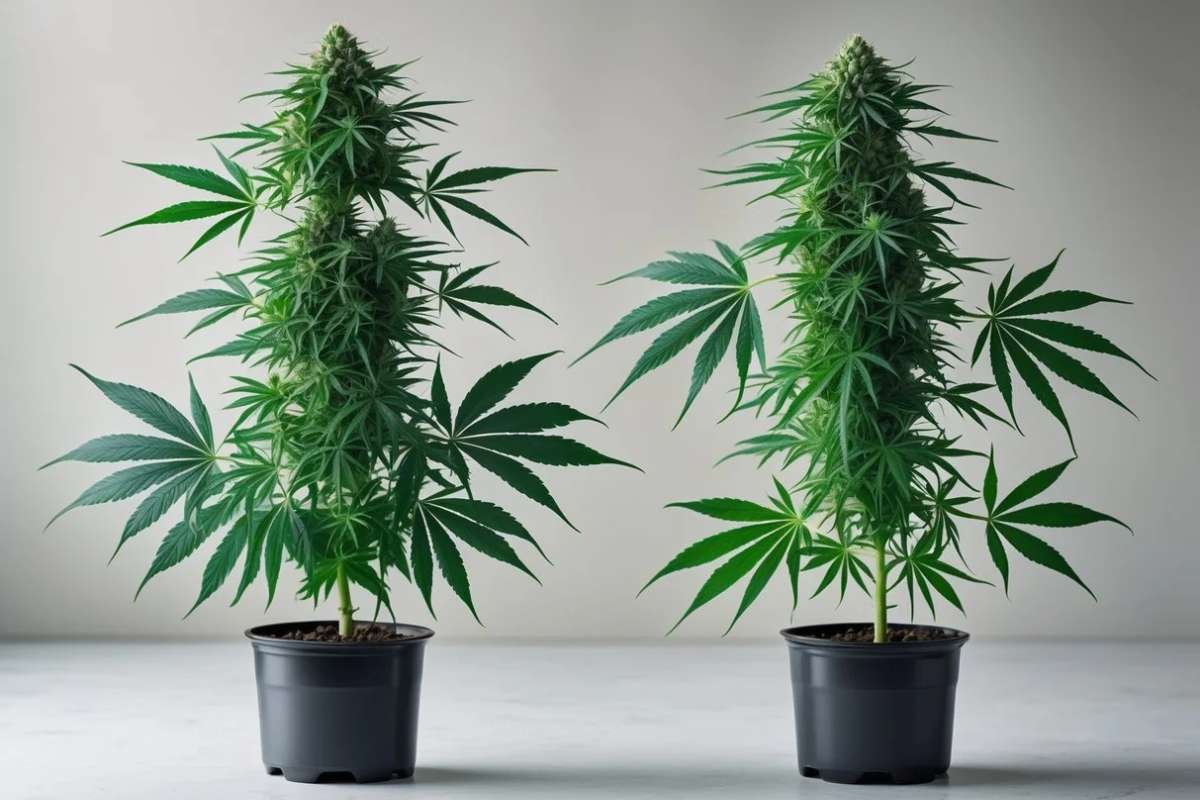
It is a common misconception that a plant’s physical shape dictates its effects. In reality, how a strain grows has nothing to do with how it makes you feel.
In science, “morphology” means the physical structure of a plant. Sativa and indica are botanical terms created in the 18th century by biologists like Jean-Baptiste Lamarck. They used these names to help farmers classify plants based on where they grew.
- Sativas adapted to hot and humid climates (like Jamaica or Thailand), growing tall and fluffy to let air flow through the plant and prevent mold.
- Indicas adapted to cold and dry mountain regions (like India or Afghanistan), growing short and dense to protect themselves from harsh weather.
A plant’s physical shape is just its way of surviving its environment. It has nothing to do with the chemical compounds inside the flower. Furthermore, because of decades of commercial crossbreeding, almost every sativa bud vs indica bud you buy today comes from a hybrid plant. Pure sativas or indicas are incredibly rare.
Conclusion
Sativa bud vs indica buds differ in both their physical and chemical characteristics. Sativa buds are typically airy, narrow, and aromatic with tropical notes. Indica buds are denser, heavier, and known for earthy, musky, or berry-like aromas. Cannabinoid and terpene profiles drive these differences.
In terms of effects, sativa strains are generally associated with energy, focus, and mental stimulation. This makes them a popular choice for fatigue and brain fog. Indica strains are linked to relaxation, pain relief, and muscle recovery. Balanced hybrids can offer benefits for stress and anxiety management.
FAQs
1. Why do people prefer indica over sativa?
Many people prefer indica because their primary goal with cannabis is to unwind, relieve physical pain, or combat insomnia.
2. Does indica help with nerve pain?
Yes, many users find that indica-dominant strains are highly effective for nerve pain. This is because these strains tend to be rich in myrcene and caryophyllene, which work alongside THC to soothe inflamed nerves and relax muscle tension.
3. Do sativa get you higher than indica?
In the sativa bud vs indica bud discussion, many people assume sativas produce a stronger high. However, potency depends on THC levels, terpene content, and individual tolerance rather than whether the flower is labeled sativa or indica.
4. Is sativa or indica better for anxiety?
Generally, indica or balanced hybrids are better for anxiety. Indicas tend to have a more grounding, sedative effect.
5. Is indica a muscle relaxant?
Yes. Strains classified as indicas have muscle-relaxing properties. The combination of THC and sedative terpenes helps reduce physical spasms and ease tightness.